
Tangerine Tiger Shrimp Care Guide: Bright Orange Caridina
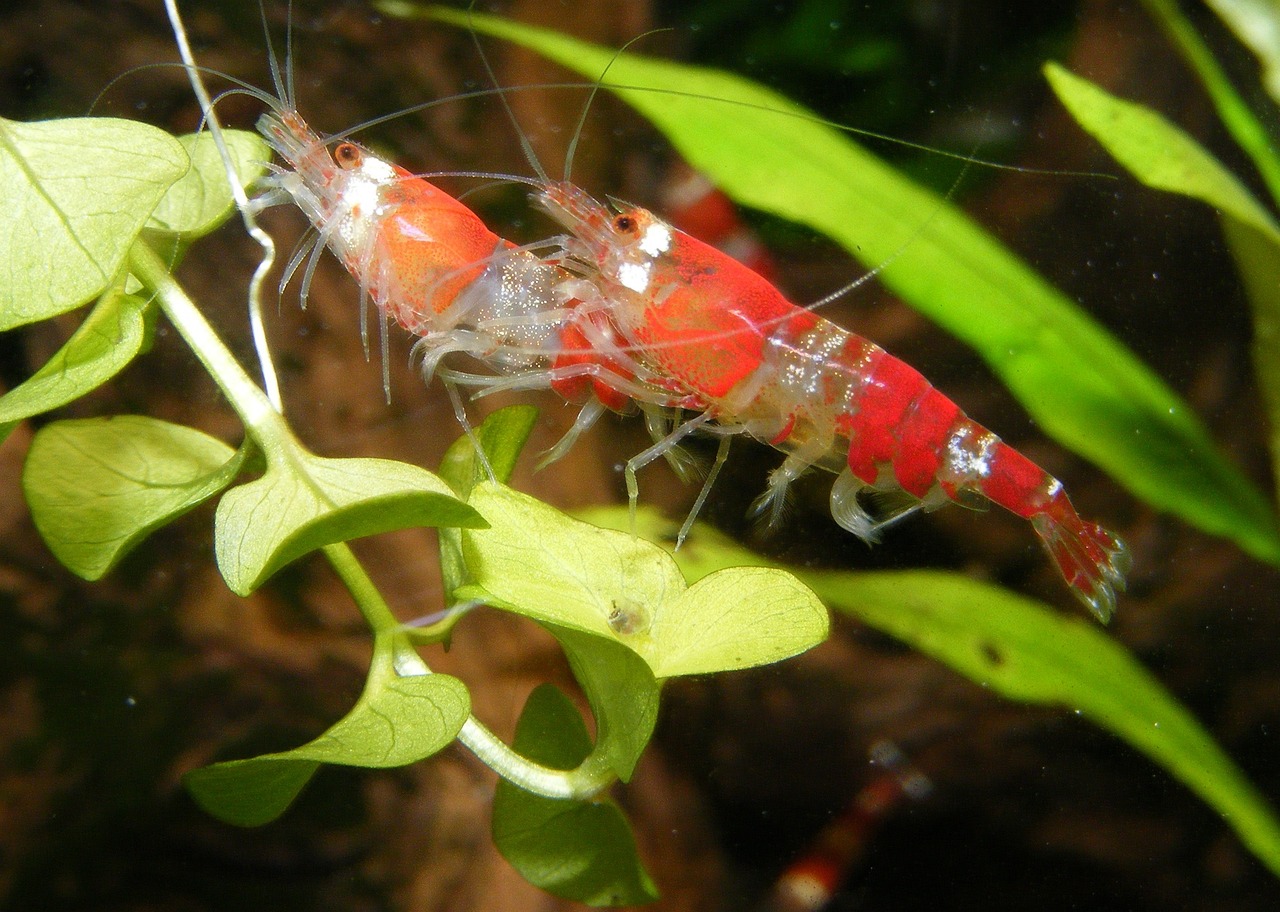
This tangerine tiger shrimp care guide covers a vibrantly coloured Caridina species that has gained a dedicated following among shrimp enthusiasts. The tangerine tiger shrimp (Caridina serrata) displays a brilliant orange body with darker tiger-like striping that makes it a standout addition to any shrimp tank. At Gensou Aquascaping at 5 Everton Park, we appreciate this species for its striking appearance and moderate care requirements that sit between beginner Neocaridina and demanding crystal shrimp.
Species Background
Tangerine tiger shrimp originate from freshwater streams in southern China, where they inhabit clean, well-oxygenated waters with rocky substrates. They belong to the Caridina genus, which includes popular species such as crystal red shrimp and tiger shrimp. The tangerine colour variant has been selectively bred from wild-type tiger shrimp to intensify the orange colouration and banding pattern. Adults reach approximately 2.5 to 3 centimetres, with females being slightly larger and displaying a more rounded body when carrying eggs.
Tank Setup
A dedicated shrimp tank of 20 litres or more is suitable for a starter colony. Larger tanks of 40 to 60 litres provide greater water stability and room for the colony to expand. Use an inert substrate such as fine gravel, sand or specialised shrimp soil. Unlike crystal shrimp, tangerine tigers do not strictly require buffering substrate, though it can be beneficial. Include plenty of mosses such as Java Moss, Christmas Moss and flame moss, which serve as grazing surfaces and shelter for shrimplets. Driftwood, leaf litter and cholla wood provide additional biofilm surfaces.
Water Parameters for Singapore
Tangerine tiger shrimp prefer slightly soft, mildly acidic to neutral water. Aim for a pH of 6.5 to 7.5, a temperature of 20 to 26 degrees Celsius, a GH of 4 to 8 dGH, and a KH of 1 to 4 dKH. Singapore’s ambient temperature can sit at the upper end of their comfort range, so air conditioning or a cooling fan may be necessary during particularly warm periods. If using tap water, dechlorinate thoroughly and test for heavy metals, particularly copper, which is lethal to shrimp even in trace amounts. Many keepers prefer remineralised reverse osmosis water for precise control.
Diet and Feeding
Tangerine tigers are omnivorous scavengers that spend their day grazing on biofilm, algae and decaying plant matter. Supplement their natural foraging with high-quality shrimp pellets, blanched vegetables such as spinach and zucchini, and protein-rich foods like snowflake food or bee pollen. Feed sparingly, offering only what the colony can consume within two to three hours. Overfeeding is a common mistake that leads to water quality issues and ammonia spikes. One to two targeted feedings per day is sufficient for a well-established tank with natural biofilm growth.
Colony Management and Behaviour
Start with a group of at least ten shrimp to establish a viable breeding colony. Tangerine tigers are peaceful, social creatures that are most active and confident in larger numbers. They spend their time foraging across every surface in the tank, from substrate to plant leaves to glass walls. Males are smaller and more slender, while berried females carry clusters of orange eggs beneath their abdomen for approximately four weeks before releasing fully formed miniature shrimp. Unlike some Caridina species, tangerine tigers do not have a larval stage, which simplifies breeding considerably.
Tankmates
The safest approach is a species-only tank or a shrimp-only community. If you wish to include fish, choose only the smallest and most peaceful species such as otocinclus, pygmy corydoras or microrasboras. Even small fish may prey on shrimplets, so dense plant cover is essential for fry survival in a mixed tank. Tangerine tigers can be kept alongside other Caridina species, but be aware that interbreeding with tiger shrimp or other Caridina serrata variants is possible, which may dilute the tangerine colouration over successive generations.
Health and Water Quality
Shrimp are highly sensitive to water quality, and tangerine tigers are no exception. Ammonia and nitrite must remain at zero, and nitrates should be kept below 20 ppm. Copper in any form, including medications and certain fertilisers, is deadly. Perform weekly water changes of 10 to 15 per cent, using temperature-matched and properly treated replacement water. Drip-acclimate new shrimp over at least an hour to prevent osmotic shock. Common issues include bacterial infections and failed moults, the latter typically caused by insufficient mineral content in the water.
A Caridina Worth Trying
The tangerine tiger shrimp offers a compelling entry point into Caridina keeping for hobbyists who have mastered Neocaridina and want to step up without diving straight into demanding crystal shrimp. Its brilliant orange colour, interesting behaviour and rewarding breeding make it a fantastic addition to any shrimp collection. Visit Gensou Aquascaping to view our shrimp selection and get expert advice on setting up the ideal Caridina tank.
Related Reading
- How to Breed Tangerine Tiger Shrimp: Caridina Colour Selection
- Tangerine Tiger Shrimp Care Guide: Caridina Serrata Orange
- Blue Tiger Shrimp Care Guide: Orange Eyes and Blue Stripes
- Amano Shrimp Breeding Challenges: Larval Stages and Saltwater Phase
- How to Breed Amano Shrimp: The Challenging but Rewarding Process



