
Green Babaulti Shrimp Care Guide: Hardy Indian Neocaridina Alternative
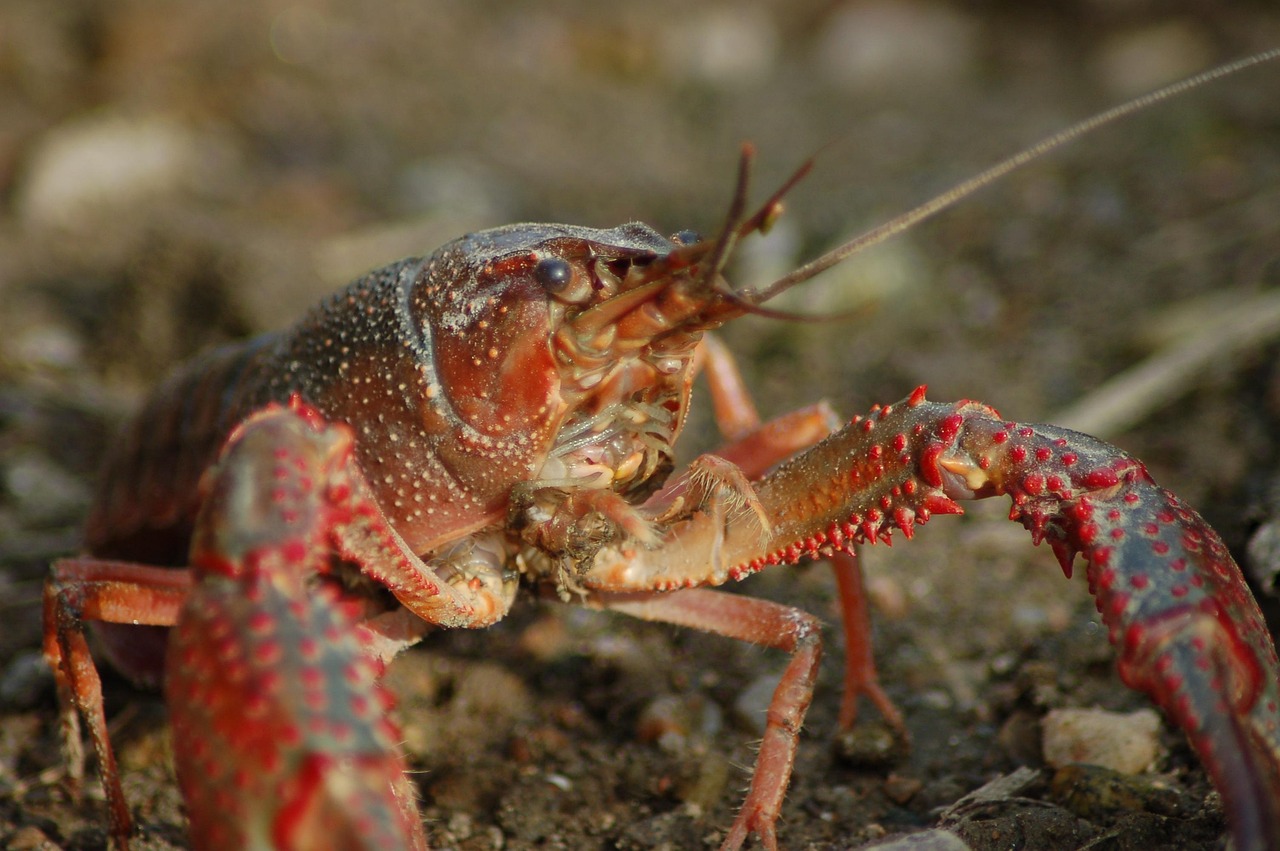
Green babaulti shrimp occupy an interesting niche in the dwarf shrimp hobby — they offer the hardiness of a Neocaridina species with a colouration that most “green” Neocaridina variants never quite achieve. This green babaulti shrimp care guide covers everything you need to keep and breed Caridina cf. babaulti “Green” successfully in a planted nano tank. At Gensou Aquascaping in Everton Park, Singapore, we consider this species an excellent choice for hobbyists who find crystal red shrimp parameters too demanding but want something more distinctive than standard cherry shrimp.
What Are Green Babaulti Shrimp?
Caridina cf. babaulti is an Indian dwarf shrimp species from slow, soft-water streams and rice paddies. Unlike most popular dwarf shrimp — which hail from Taiwan or China — babaulti shrimp have adapted to warmer conditions over millennia, making them exceptionally suited to Singapore’s ambient temperatures. The “Green” variant displays a translucent lime to olive-green colouration with variable intensity depending on diet and stress levels. Some individuals show a yellow-green tone; others, particularly when feeding on algae and spirulina-rich foods, develop a richer emerald cast. Adults reach 2.5–3 cm.
Water Parameters
Green babaulti shrimp are tolerant of a broad parameter range — a genuine advantage in Singapore’s variable tap water. They thrive at pH 6.8–7.5, GH 4–8, KH 2–4, TDS 150–250 ppm, and temperature 24–30°C. The upper temperature tolerance is particularly notable: most Caridina species require chilling below 26°C, but babaulti shrimp can breed at 28°C without obvious stress — an important distinction in Singapore where running a chiller year-round adds substantially to electricity costs. Use treated tap water directly in most Singapore households; a dechlorinator handling chloramine is all that’s required.
Tank Setup and Planting
A 20–40 litre planted nano suits a colony of 20–30 babaulti shrimp comfortably. Active substrate (such as ADA Amazonia) is beneficial but not required — this species breeds on buffered substrate and on plain sand or gravel alike. Dense planting provides both biofilm surface area (a critical food source) and safety cover for moulting shrimp. Java moss, Microsorum pteropus, and Anubias species all contribute large surface areas for biofilm growth. A sponge filter provides gentle filtration without sucking up shrimp or juveniles. Avoid powerful hang-on filters without a fine sponge pre-filter on the intake.
Feeding
Biofilm is the dietary foundation — a mature, well-planted tank with natural light or moderate LED output will develop enough biofilm to supplement (but not replace) dedicated feeding. Offer a varied diet: spirulina-based shrimp wafers, blanched spinach or zucchini, dried leaves (Indian almond, mulberry, or catappa), and occasional high-protein treats like freeze-dried daphnia or bloodworm. Feed every one to two days in small quantities — remove uneaten food after 24 hours to avoid ammonia spikes. Overfeeding is the most common water quality mistake in shrimp tanks.
Breeding and Berried Females
Green babaulti shrimp breed readily once established in a stable tank. Females become “berried” — carrying a cluster of green-tinted eggs beneath the tail — approximately two to three weeks after a water change or temperature fluctuation triggers spawning. The gestation period is 21–28 days at 26°C. Juveniles emerge as fully formed miniature shrimp, unlike the zoea larvae of some Caridina species, which simplifies raising. No separate breeding tank is needed; juveniles survive in the main tank if filtration intake is protected with a sponge guard.
Compatibility and Tank Mates
Green babaulti shrimp coexist with small, peaceful fish that will not predate on them. Suitable companions include otocinclus catfish, pygmy corydoras, small rasboras such as chili or ember tetras, and other dwarf shrimp species. Avoid any fish with a mouth large enough to engulf adult shrimp (approximately 3 cm or larger jaw gape). Mystery snails and nerite snails are fully compatible. Do not house with freshwater crayfish or larger shrimp species such as bamboo or vampire shrimp, which may predate or outcompete for food.
Health and Common Issues
The most common issue in babaulti shrimp keeping is failed moults — typically caused by insufficient mineral content (low GH) or sudden parameter shifts. Add a small amount of remineraliser if your tap water TDS falls below 100 ppm after treatment. White, cloudy muscle tissue is a sign of bacterial infection and usually indicates a water quality problem; perform an immediate 20% water change and improve circulation. Vorticella — a white, ciliate parasite visible as a fuzz on the shrimp’s body — responds well to a short-duration salt bath of 1–2 g/litre for five minutes, though this should be done cautiously as shrimp are sensitive to sudden osmotic change.
Related Reading



