
How to Breed Whiptail Catfish: Male Lip-Brooding in Planted Tanks
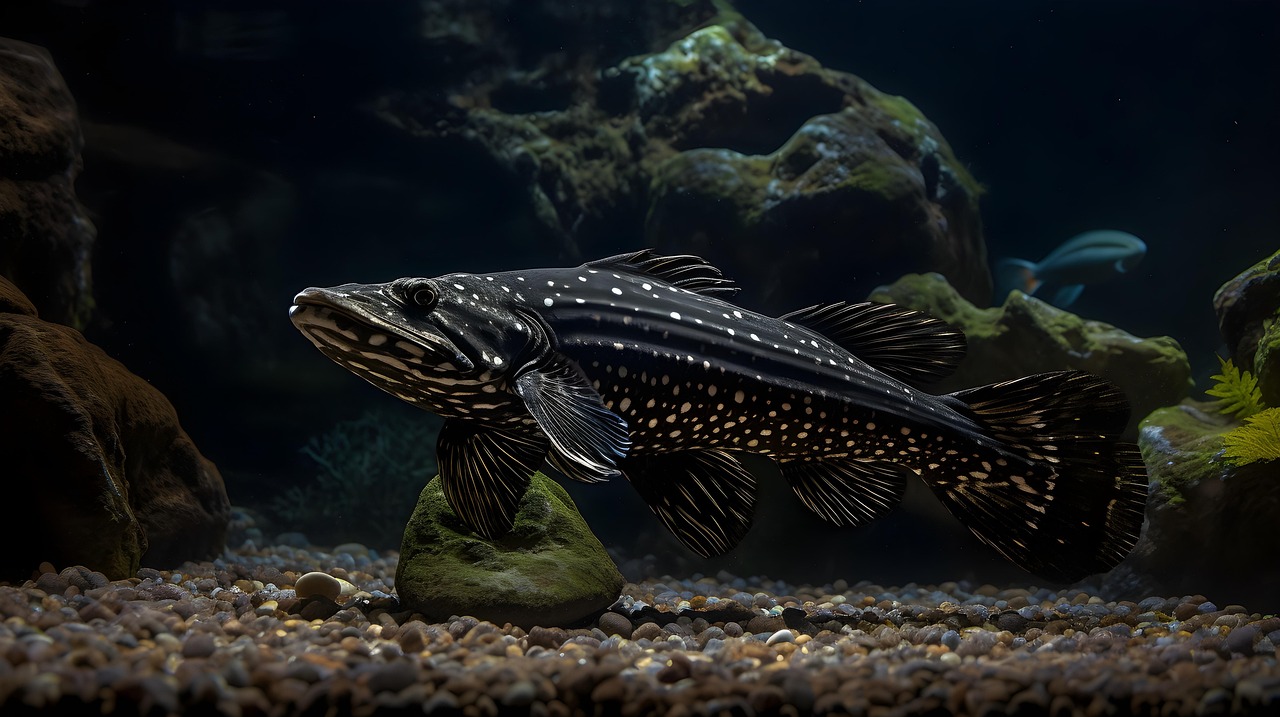
Whiptail catfish are among the most elegantly bizarre fish in the freshwater hobby — their pencil-thin bodies, leafy camouflage patterning, and extraordinary paternal care make them fascinating to observe and rewarding to breed. What sets whiptail breeding apart from most other catfish is the male’s role: he guards and oxygenates the egg clutch using his lips, a behaviour rarely seen in freshwater fish. Breeding whiptail catfish in a planted aquarium is achievable with proper setup and conditioning, and Gensou Aquascaping at Everton Park, Singapore considers several Rineloricaria and Sturisoma species among the most accessible loricariid breeders for intermediate hobbyists.
Choosing Your Species
Rineloricaria lanceolata (the chocolate whiptail) and Sturisoma panamense (the royal whiptail) are the two most commonly available forms in Singapore. The chocolate whiptail stays compact at 10–12 cm; the royal whiptail is considerably larger at 20–25 cm, requiring a proportionally bigger tank. Both breed using the same lip-brooding mechanism, though the royal whiptail’s extended filaments on the caudal fin make courtship displays more visually dramatic. Farlowella species — the twig catfish — follow similar breeding behaviour and are occasionally available through local importers.
Tank Setup for Spawning
A 60–80 litre planted tank works for chocolate whiptails; royal whiptails need at least 120 litres. Whiptails are strongly substrate-orientated and spawn on flat surfaces — smooth river stones, broad piece of driftwood, or the glass panels of the tank itself. Provide several flat surfaces at different tank positions so the male can select his preferred spawning site. Fine sand substrate at a depth of 3–4 cm allows the fish to rest naturally without abrasion to their delicate ventral surfaces. Moderate to good water flow is important — these fish come from faster-moving South American rivers and appreciate oxygenation.
Water Parameters and Conditioning
Target temperature 24–27°C, pH 6.5–7.2, and moderate hardness (GH 4–10). Singapore tap water fits these parameters well after treatment. Conditioning involves a varied diet over two to four weeks: sinking wafers, blanched courgette or cucumber, frozen bloodworms, and live foods if available. Females fatten visibly when ready to spawn. A simulated dry-season trigger — a 20% water change with slightly cooler water — often initiates spawning within 24–48 hours in conditioned fish.
Spawning and Egg Guarding
Spawning follows an extended courtship during which the male rests alongside the female on a flat surface. Egg deposition occurs in a cluster of 50–200 eggs, depending on species and female size, on the chosen flat surface. The male takes over immediately: he positions himself over the egg mass and fans it with his fins while periodically pressing his lips to the eggs to remove debris and fungus. This lip-brooding behaviour is not true mouth brooding — the eggs remain on the surface — but the tactile contact is consistent and critical for hatching success. Interfering with the male at this stage causes egg abandonment.
Incubation Period and Hatching
Eggs hatch in 5–10 days depending on temperature. At 26°C expect hatching around day seven. The larvae are large compared to most aquarium fish fry — 8–10 mm — and immediately mobile. They cling to surfaces and begin rasping algae and biofilm within 24–48 hours of hatching. The male’s guarding behaviour diminishes quickly once fry disperse across the tank. At this stage, supplement with very fine algae wafer crumbles placed near the fry’s resting spots.
Raising the Fry
Whiptail fry are surprisingly robust once free-swimming. They accept blanched vegetables within the first week and thrive on a diet of sinking wafers, spirulina tablets, and occasional frozen daphnia. Good water quality is paramount during the first month — perform 15–20% water changes every two days and avoid strong suction near fry. Juveniles grow steadily, reaching 4–5 cm within two months. At this size they become sexually distinguishable in some species, with males developing longer filaments or broader heads. Surplus juvenile whiptails are popular in the Singapore hobbyist community and sell readily on Carousell at $5–12 per fish.
Troubleshooting Failed Spawns
The most common failure is male egg abandonment — usually triggered by disturbance, poor water quality, or insufficient flat surface availability. If the male abandons eggs, you can attempt artificial incubation by placing the egg cluster in a shallow container with gentle aeration pointing past (not directly at) the eggs, but success rates are lower than with paternal care. A second common issue is fungal spread across the clutch: this points to low oxygen levels near the substrate surface. Increase circulation with a small additional powerhead directed to flow along the bottom. Prevention is always more reliable than intervention.
Related Reading
- How to Breed Glass Catfish: Transparent Fry and Spawning Triggers
- Red Lizard Whiptail Catfish Care Guide: Rineloricaria Species
- African Glass Catfish Care Guide: Transparent and Social
- Agamyxis Catfish Care Guide: The Spotted Talking Catfish
- How to Breed Amano Shrimp: The Challenging but Rewarding Process



