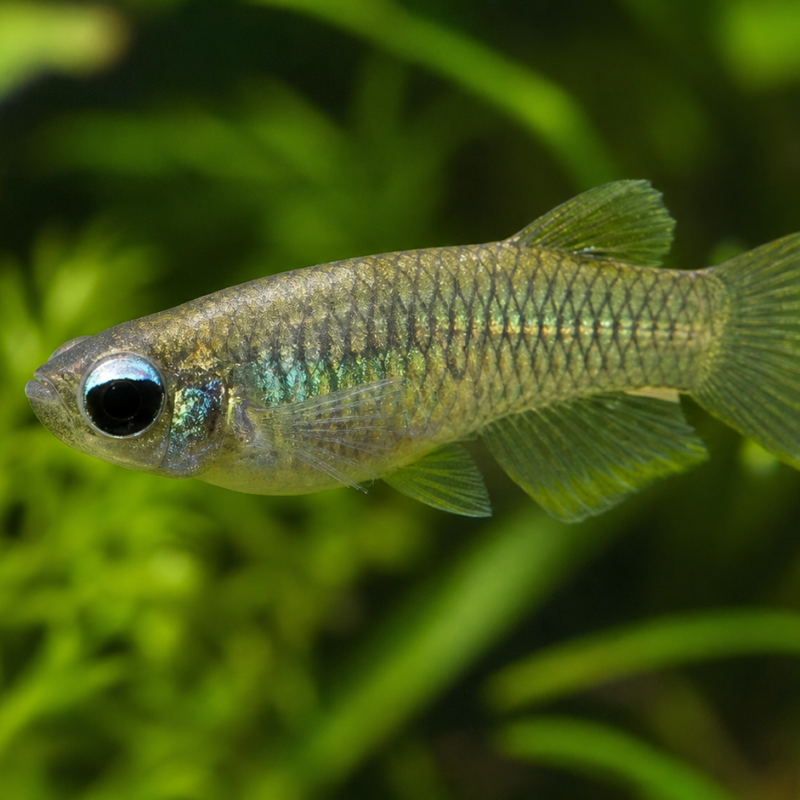
Lamp eye Killi Fish
Poropanchax normani · Peaceful · Easy care
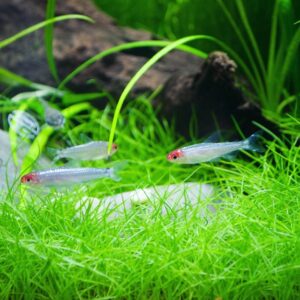
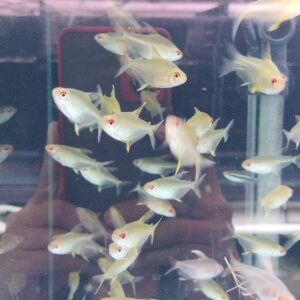
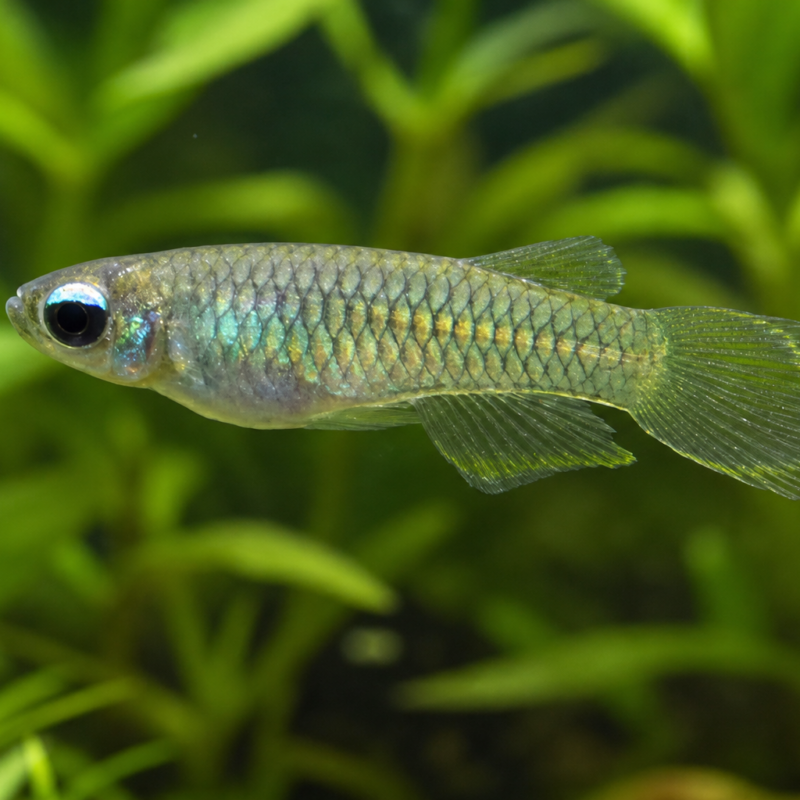
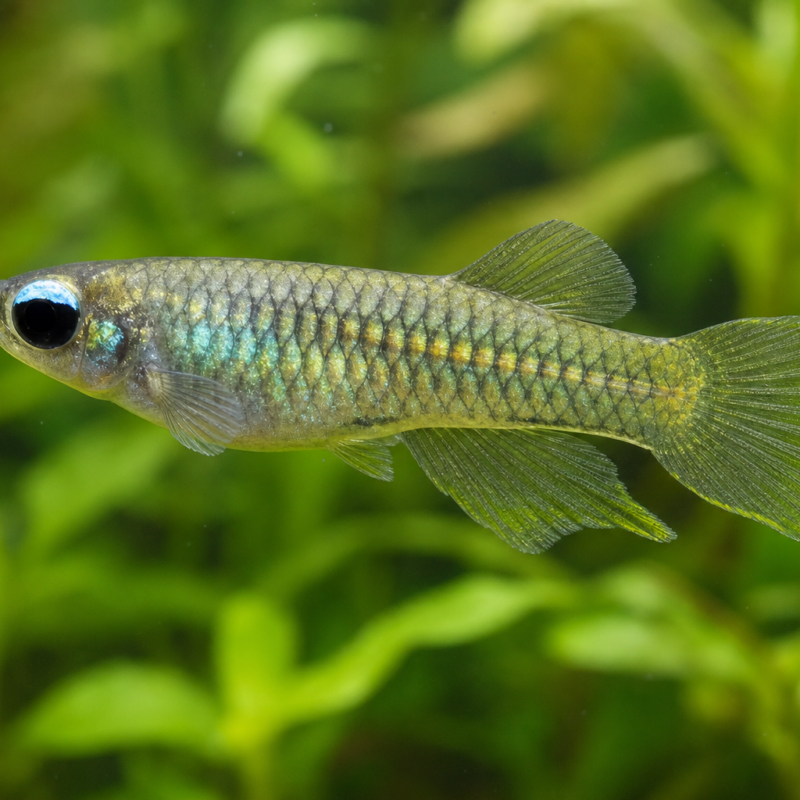
A shoal of glowing eyes — this tiny African killifish carries a luminous blue crescent above each eye that shines under aquarium light. Peaceful, active and magical over a dark aquascape.
Out of stock
Ask on WhatsAppAt a glance
Species profile Poropanchax normani
Origin
Widespread across West and Central Africa
Family
Procatopodidae (African lampeye family)
Adult size
Up to 4 cm (1.6 in)
Diet
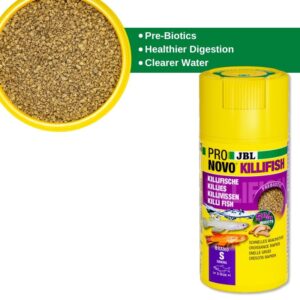
Micro pellets, crushed flake and small live/frozen foods taken at the surface (Omnivore)
Temperament
Peaceful
Swimming level
Top
Minimum group
8+ (shoaling)
Lifespan
2-3 years
Minimum tank
40 L (10 gal)
Water type
Freshwater
Size to scale
4 cm adult length, shown to scale against an iPhone 15 Pro (14.66 cm).
Natural range
Where it comes from — Africa
Widespread across West and Central Africa
Water
Singapore tap water vs its needs
Hardness: Soft to medium (4-12 dGH).
In the aquarium
How it lives in the tank
Swims in the top of the tank
Keep in a group of 8+
Sensitivity Index — Hardy
Hardy and beginner-friendly; keep up routine water changes and it will thrive.
Our own read on how forgiving this species is of water changes — not a formal standard.
Keeping & care
What this fish needs
Family
About the Procatopodidae family African lampeye family
Procatopodidae are the African lampeyes, tiny surface-dwelling egg-laying toothcarps named for the iridescent blue-green sheen over their eyes. Species like Norman's lampeye (Poropanchax normani) are peaceful, delicate shoalers only a few centimetres long that shimmer under good lighting. They are best kept in large groups in calm, mature, planted tanks and are a little more sensitive than typical community fish.
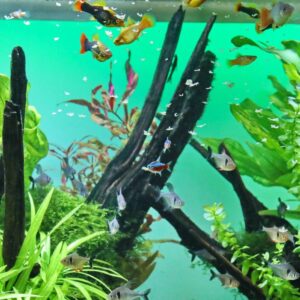
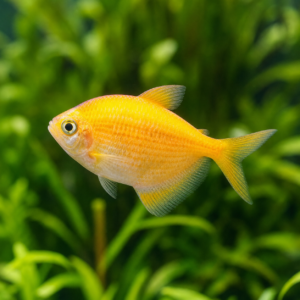
Keep lampeyes in a shoal of ten or more in a calm, well-planted, matured tank with gentle flow and good lighting to show their glow, and pair them only with equally small, gentle tankmates.
Breeding
Egg-scatterer (plant/mop spawner)Lampeyes are continuous plant-spawners: a conditioned group lays a few small eggs each day among fine-leaved plants, moss or spawning mops, with no parental care. Move the mop or plants to a rearing container and the eggs hatch over one to two weeks; the very small fry need infusoria or fine powdered foods before graduating to baby brine shrimp.
Feeding
Recommended food
Compatibility
Best tankmates

Community