
Macro Aquarium Photography with Lightroom: Post Processing
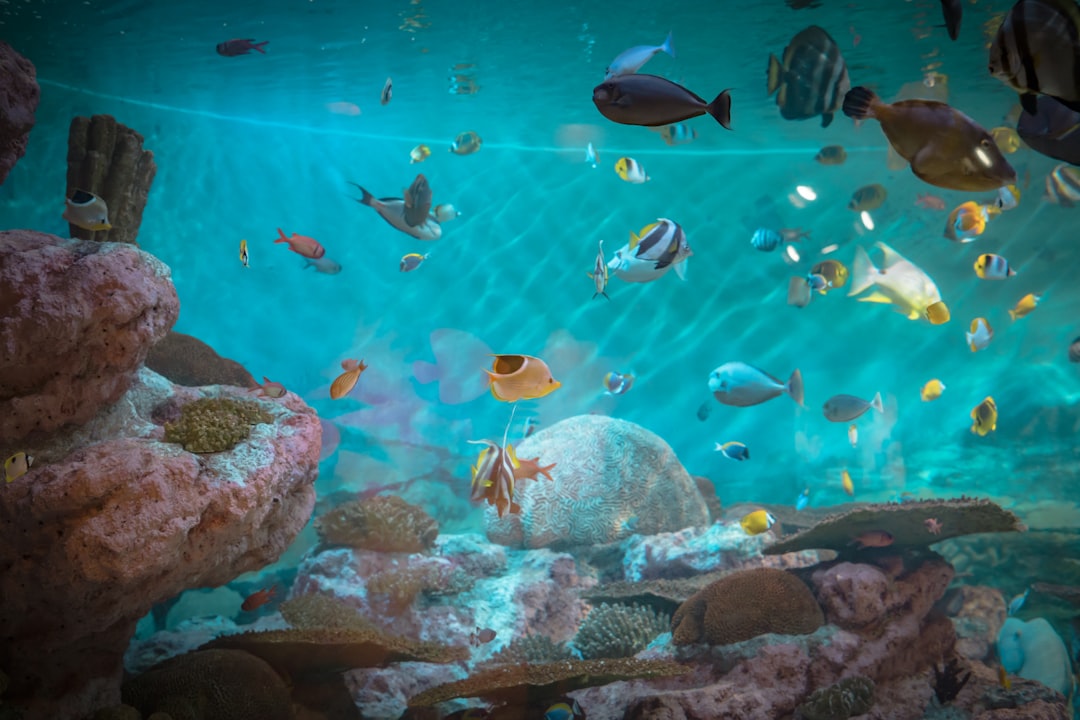
A sharp macro shot of a Crystal Red or a Bucephalandra leaf is only half captured in camera. The other half happens in Lightroom, where colour casts from aquarium lighting, water-thickness haze, and sensor noise are corrected to reveal what your eye actually saw at the glass. This guide to macro aquarium photography lightroom post processing from Gensou Aquascaping at 5 Everton Park covers the specific sliders that matter for underwater subjects, practical Kelvin values for common light units, and a repeatable develop workflow you can save as a preset.
Quick Facts
- Shoot raw always — JPEG discards the white balance latitude you need
- Starting Kelvin for Chihiros WRGB: 5800-6200 K, tint -5 to -12 (green)
- Starting Kelvin for ADA Solar RGB: 5400-5800 K, tint -3 to -8
- Typical Dehaze value for macro through glass: +8 to +18
- Clarity for shrimp detail: +15 to +25, never above +35
- Noise reduction floor: Luminance 15-25 at ISO 800-1600
- Export sharpening: Screen, Standard, for Instagram and YouTube thumbnails
Why Aquarium Raws Need Correction
Even high-CRI aquarium LEDs bias towards cyan-green because red phosphors degrade faster than blue and green. Water itself absorbs red wavelengths within the first 30-40 cm, so a shrimp photographed through even a small water column reads redder in the eye than on the sensor. Combine that with condensation on the front element and glass reflections, and every macro file needs at least three baseline corrections before you start being creative.
Shoot raw, never JPEG. A 14-bit raw file gives you roughly 2-3 stops of white balance recovery that a JPEG cannot provide. On Sony and Fuji bodies, use uncompressed or lossless compressed; the file size hit is worth it.
Step One: White Balance by Eye, Then by Number
Open the raw in Lightroom’s Develop module. Start with the eyedropper on a known neutral in the frame: a piece of white sand, a silver filter intake, or the white belly patch on a CRS. Click, read the Kelvin value, and note it. For repeat sessions under the same light, save the result as a preset so you are not reinventing the wheel every shoot.
Reference values from real sessions: a Chihiros WRGB2 at 80 percent brightness lands around 6100 K with tint at -8. A Twinstar S-II at full typically reads 5600 K, tint -4. ADA Solar RGB in mid-day mode reads 5500 K, tint -6. Week Aqua P900 runs cooler, often 6400 K with tint -10. These are starting points, not gospel; every bulb ages differently.
Step Two: Tone Curve and Exposure
Macro shots through glass lose contrast. Set Exposure first to taste, then drop Blacks by 15-25 to restore the deep shadow points that aquarium water has washed out. Pull Whites up just enough to put a highlight on the shrimp’s shell without clipping — use the triangle warnings with Alt/Option held to spot clipping pixel by pixel. Contrast itself stays at 0; use the tone curve for finer work instead.
For the curve, place a soft S with the shadow point at input 20/output 14 and highlight at 230/240. This gives you the subtle punch that looks like “good glass” without crushing detail on dark backgrounds.
Step Three: Dehaze, Clarity, and Texture
Dehaze is the single most useful slider for aquarium macros. Even 10 cm of water creates a subtle veiling flare that kills micro-contrast. Start at +12 and adjust up or down depending on water clarity that session. Above +25, you start to see cyan haloing around the subject edges, which means the water had particulates you need to fix at source, not in post.
Clarity sits in the midtones and boosts the texture of shrimp shells, moss leaves, and fish scales. Values of +15 to +25 work for most subjects. Texture (the newer slider) at +10 to +15 is gentler and better for soft subjects like Neocaridina females carrying eggs. Never push both past +30 each — the image starts looking like an HDR caricature.
Step Four: HSL for Red Recovery
The HSL panel is where aquarium shots come alive. Push Red Luminance down 5-10 to stop red subjects going neon under correction. Pull Red Saturation up 10-15 for CRS and rili patterns. Orange Luminance +5 to +10 warms up wood and substrate without affecting fish. Green Saturation -10 to -15 tames the algae-green cast that lingers after white balance correction.
Do not touch Blue or Aqua globally until you have already masked the fish or shrimp. Those hues are usually wrong everywhere except on the subject itself.
Step Five: Noise and Sharpening
Macro aquarium shots typically run at f/8 to f/11 and ISO 800-1600 to keep shutter speeds high enough to freeze moving shrimp. That ISO range produces visible luminance noise on dark backgrounds. Luminance NR 15-25, Detail 50, Contrast 0. On Color noise, 25 is usually enough. Lightroom’s newer Denoise (AI) is worth the 45-second render for final portfolio images but overkill for social posts.
Sharpening: Amount 40-55, Radius 1.0, Detail 25, Masking 60-75. The masking value is critical — hold Alt/Option while dragging it to see which edges get sharpened. You want shrimp shell and moss leaves white, smooth water and substrate black.
Local Workflow Notes
Singapore’s tropical humidity fogs camera lenses quickly when moving between aircon rooms and tank rooms. Dehaze will fight condensation, but the cleaner fix is a 15-minute acclimatisation inside a dry bag. For shrimp work at C328 or any shop photography, bring a small macro light (a $40 Godox M1 or equivalent) rather than relying on shop lighting which varies by aisle.
Save your corrected develop settings as a preset named by light unit and brightness. Over a year of shooting, a well-calibrated macro aquarium photography lightroom preset library cuts editing time per image from 10 minutes to 90 seconds.
Related Reading
Aquarium Photography Guide
Aquarium Macro Photography Guide
Aquarium Photography Lighting Tips
Aquarium Photography Tips Phone Camera
Aquascape Photography Tips



