
Marimo Moss Ball Care Guide: The Low-Maintenance Living Ornament
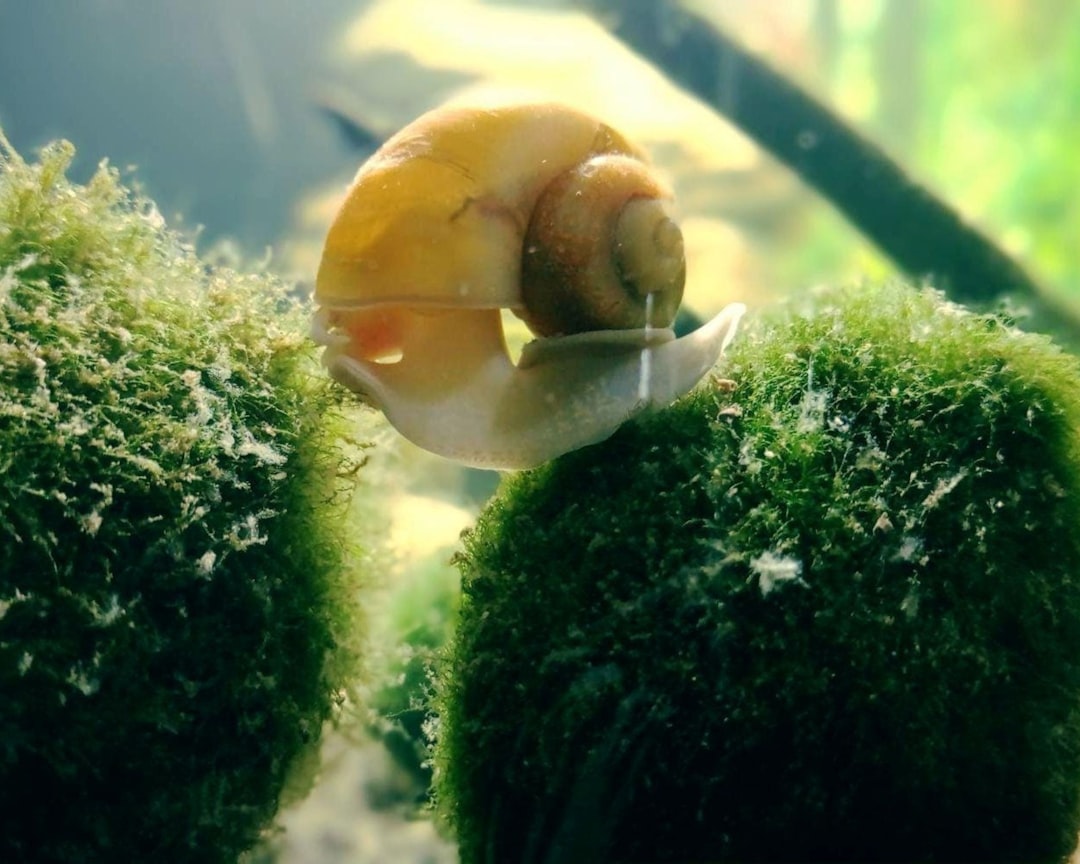
Table of Contents
- What Are Marimo Moss Balls?
- How Marimo Balls Form in Nature
- Basic Marimo Moss Ball Care
- Light Requirements
- Temperature Sensitivity and Singapore Challenges
- Compatible Tank Mates
- How to Tell Real from Fake
- Lifespan and Long-Term Growth
- Frequently Asked Questions
What Are Marimo Moss Balls?
Despite their common name, marimo moss balls are not moss at all. They are a species of green algae called Aegagropila linnaei (formerly Cladophora aegagropila) that grows in a distinctive spherical shape. The name “marimo” comes from the Japanese words mari (bouncing ball) and mo (a general term for aquatic plants). In Japan, they hold cultural significance and are designated a national treasure in Lake Akan, Hokkaido.
For aquarium hobbyists, marimo balls are among the most beginner-friendly additions you can make to a tank. They require almost no maintenance, produce oxygen, absorb nitrates and phosphates, and look charming sitting on the substrate or gently rolling with the current. They have become a popular ornament in planted tanks, shrimp tanks, and even simple desktop jars.
How Marimo Balls Form in Nature
In the wild, marimo balls are found in cold, freshwater lakes in Japan, Iceland, Scotland, Estonia and a handful of other locations. The algae filaments grow radially outward from a central point, and the gentle rolling action of lake currents shapes them into near-perfect spheres over many years. Wild specimens can grow to 20-30 cm in diameter, though this takes decades.
The spherical shape ensures that all sides receive light as the ball rotates on the lake bed. Inside, the core is typically dormant algae or sometimes hollow in very large specimens. This natural rolling behaviour is something you will need to replicate in your aquarium through manual rotation.
Basic Marimo Moss Ball Care
Marimo balls are wonderfully low-maintenance, but they do benefit from a simple care routine.
Water Changes
During your regular water changes, remove each marimo ball and gently squeeze it in a bowl of old tank water or dechlorinated water. This releases trapped debris and waste that the ball has absorbed. You will often see the water turn slightly green or brown — that is perfectly normal. After squeezing, roll the ball gently between your palms to restore its round shape.
Rotation
In a home aquarium, marimo balls do not experience the natural lake currents that keep them spherical. Without intervention, the bottom side — pressed against the substrate — receives no light and can flatten or turn brown. Rotate your marimo balls every few days, or at least during each water change. This simple step keeps them uniformly green and round.
Water Parameters
| Parameter | Ideal Range | Notes |
|---|---|---|
| Temperature | 15-25 °C | Prefers cooler water; see section below |
| pH | 6.0-8.0 | SG tap water (pH 7-8) is acceptable |
| Lighting | Low to moderate | No direct sunlight |
| Water Hardness | Flexible | Tolerates soft to moderately hard water |
Light Requirements
Marimo balls are naturally adapted to low-light conditions at the bottom of deep lakes. In your aquarium, low to moderate lighting is ideal. Standard planted-tank LED lights on a 6-8 hour photoperiod work well — the marimo does not need intense PAR values to thrive.
Excessive light is one of the few things that can genuinely harm a marimo. Prolonged exposure to strong light or direct sunlight can cause the outer layer to turn brown, encourage unwanted algae to colonise the surface, or cause the ball to lose its compact shape as filaments stretch outward. If you have a high-tech planted tank with intense lighting and CO2, place your marimo in a shaded area or behind hardscape where it receives indirect light.
Temperature Sensitivity and Singapore Challenges
This is the most significant consideration for marimo moss ball care in Singapore. Marimo balls originate from cold lakes where water temperatures rarely exceed 20 °C. Their ideal range is 15-25 °C, and they are happiest below 22 °C.
Singapore’s ambient temperature sits at 28-32 °C year-round. Without climate control, most home aquariums run at 28-30 °C — well above the marimo’s comfort zone. At these temperatures, marimo balls grow even more slowly than usual and are more susceptible to browning and deterioration. Prolonged heat can cause the ball to break apart.
Tips for Keeping Marimo in Singapore
- Aquarium chiller: If you already run a chiller for shrimp or cold-water species, marimo will benefit tremendously.
- Air-conditioned rooms: A tank in an air-conditioned room (typically 23-25 °C) is much more suitable.
- Refrigerator rest: Some hobbyists place their marimo in a container of aquarium water in the refrigerator for a few days each month as a “cool rest.” This is not strictly necessary but can help during especially hot periods.
- Accept slower growth: Marimo in tropical temperatures will survive but grow very slowly — perhaps 5 mm per year instead of the already glacial 10 mm per year in ideal conditions.
If you find that your marimo keeps turning brown despite your best efforts, the temperature may simply be too high. Consider switching to a cooler setup or keeping the marimo in a jar near your air-conditioning unit.
Compatible Tank Mates
Marimo balls are compatible with the vast majority of peaceful community fish and invertebrates. They are particularly popular in shrimp tanks, where the textured surface provides excellent grazing ground for biofilm. Neocaridina and Caridina shrimp love to pick at marimo surfaces.
Good Tank Mates
- Cherry shrimp and other Neocaridina
- Caridina shrimp (Crystal Red, Crystal Black)
- Bettas
- Tetras and rasboras
- Corydoras catfish
- Otocinclus
- Snails (nerites, ramshorns, Malaysian trumpet snails)
Tank Mates to Avoid
- Goldfish: They will eat or shred marimo balls.
- Large cichlids: They tend to uproot, move, or destroy marimo.
- Crayfish: Will tear marimo apart for entertainment.
- Plecos (large species): May rasp at the marimo surface aggressively.
How to Tell Real from Fake
Unfortunately, not every “marimo” sold in shops is genuine. Some sellers wrap java moss around a ball of sponge or styrofoam and pass it off as marimo. Here is how to identify the real thing.
| Feature | Real Marimo | Fake Marimo |
|---|---|---|
| Texture | Velvety, uniform, dense filaments | Stringy, uneven, visible moss strands |
| Shape | Naturally round (not perfectly spherical) | Too perfectly round or oddly shaped |
| When squeezed | Springs back like a sponge, releases water | May reveal foam or foreign core material |
| In water | Sinks (may float briefly then sink) | Often floats due to styrofoam core |
| Interior | Green algae filaments throughout | Foreign material visible if pulled apart |
When purchasing, buy from reputable aquarium shops. At Gensou, we stock genuine marimo balls and can advise you on their care for Singapore conditions.
Lifespan and Long-Term Growth
One of the most remarkable things about marimo is their extraordinary lifespan. With proper care, a marimo ball can live for over a hundred years. Specimens in Lake Akan are estimated to be 200 years old or more. In an aquarium setting, there is no reason your marimo cannot outlive you — they are truly heirloom organisms.
Growth, however, is extremely slow. Even under ideal conditions, marimo balls grow at roughly 5-10 mm in diameter per year. A golf-ball-sized marimo you purchase today will take many years to reach tennis-ball size. In Singapore’s warmer water, expect growth on the lower end of that range.
Propagation
You can propagate marimo by gently tearing a ball into smaller pieces and rolling each piece into a sphere between your palms. Over time, the fragments will grow into new round balls. This is the same process that occurs naturally when lake currents break off pieces of larger marimo.
Frequently Asked Questions
Why is my marimo turning brown?
Brown patches usually indicate one of three issues: too much light, water that is too warm, or insufficient rotation. Move the marimo to a shadier spot, check your water temperature, and ensure you are rotating it regularly. During your next water change, gently squeeze the ball to flush out any trapped debris.
Can I keep a marimo ball in a jar without a filter?
Yes. Marimo balls can live in a simple jar of dechlorinated water without a filter or air pump. Change the water weekly and keep the jar away from direct sunlight. This is a popular desk ornament, though the warmer room temperatures in Singapore may cause the marimo to grow more slowly.
Do marimo balls float? Is that normal?
Marimo balls sometimes float due to oxygen bubbles trapped between their filaments, especially after photosynthesis under light. This is normal and harmless. The ball will typically sink again on its own. You can gently squeeze it underwater to release the bubbles if you prefer it to stay on the substrate.
Are marimo moss balls safe for shrimp?
Absolutely. Marimo balls are one of the best additions to a shrimp tank. They harbour biofilm that shrimp graze on, absorb excess nutrients, and provide gentle cover. They do not leach any harmful substances and are completely shrimp-safe.
Keep Your Marimo Thriving
Marimo moss balls are among the most endearing and forgiving organisms you can keep in an aquarium. While Singapore’s tropical climate presents a temperature challenge, many local hobbyists successfully maintain beautiful marimo in air-conditioned rooms or chilled tanks.
If you would like to pick up a genuine marimo ball or need advice on keeping one healthy in our local climate, visit us at Gensou, 5 Everton Park. With over 20 years of aquascaping experience, we are happy to help you find the right setup for your living ornament.
Related Reading



