Oliver Knott Aquascape Style Guide: Rock Heavy Compositions
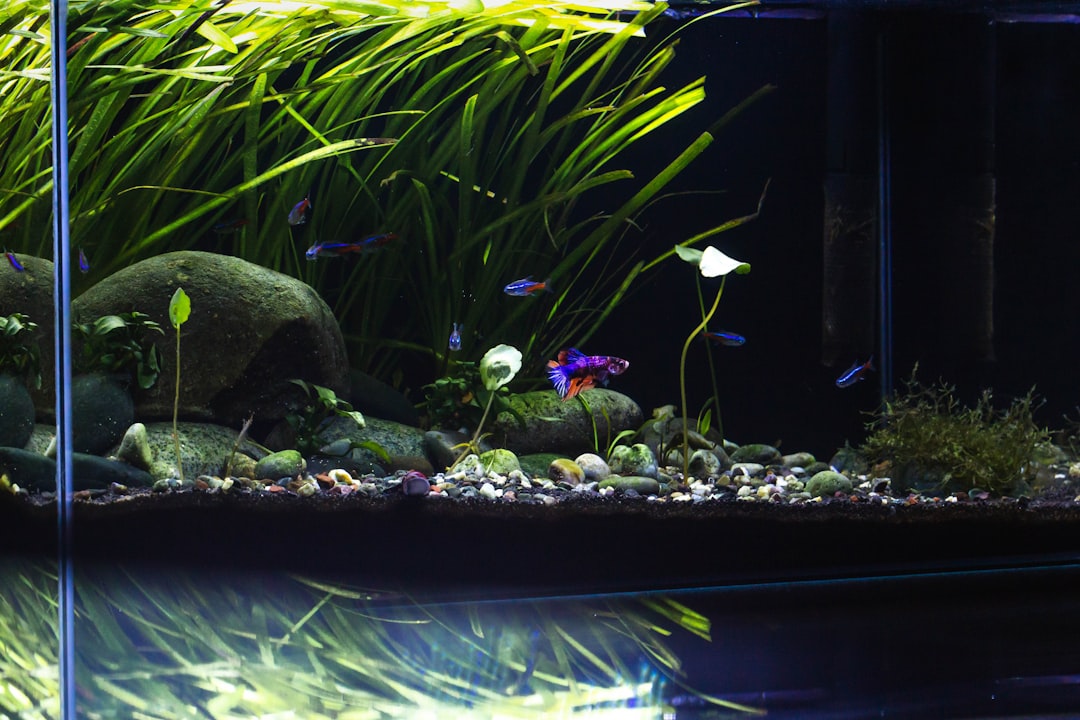
Oliver Knott is the German scaper who made stone the main character again. Where Amano softened rock with moss and hairgrass, Knott piled Mini Landscape and Seiryu into near-vertical ridges, left them exposed, and let the plants work around the stone rather than over it. This oliver knott aquascape style guide from Gensou Aquascaping at 5 Everton Park breaks down the hardscape logic, planting choices, and the reason his tanks photograph so well under harsh light. If you have been stuck between a classic iwagumi and a jungle scape, his method is a useful third lane. This guide sits inside our broader Aquascaping Styles Design Hub reference.
Quick Facts
- Style origin: Germany, early 2000s, influenced by Alpine geology rather than Japanese wabi-sabi
- Primary hardscape: Mini Landscape (Yin Yang stone), Seiryu, Dragon Stone in angular stacks
- Stone-to-plant ratio: roughly 60:40 by visible surface area
- Typical tanks: 60P to 120P, shallow rimless, strong top-down lighting
- Signature technique: near-vertical stone walls with visible shelves and caves
- Planting: narrow-leafed stems, Bucephalandra, Anubias nana petite tied into crevices
- Mood: dramatic, almost cinematic, closer to a Dolomites ridge than a forest floor
The German Rock-Heavy Philosophy
Knott treats the tank as a rock portrait first and a garden second. His public demos at Interzoo and in the Aqua Rebell videos show him placing large keystone rocks in the first five minutes, then spending another hour adjusting angles by a few degrees at a time. Plants come last, often after the water is already in. The aesthetic is rooted in European alpine landscapes, where bare stone dominates and vegetation clings to ledges rather than carpets a forest floor.
This matters for Singapore scapers because our default reference is Amano’s nature aquarium, which is lusher and softer. Knott gives you permission to let a Seiryu ridge stand unplanted for 10 cm of vertical face, which reads as confidence rather than laziness when executed cleanly.
Stone Selection and Why Mini Landscape Works
Mini Landscape stone, sometimes sold as Yin Yang or Ryuoh variant, is Knott’s fingerprint. Its white calcite veins against grey matrix photograph with extreme contrast, and the jagged fracture lines give the eye something to follow. Seiryu is the second pick for its sharper edges and cooler blue-grey tone. Dragon Stone (Ohko) is used sparingly, usually as support rocks behind the main stack because its honeycomb texture reads as busy when used alone.
In Singapore, Mini Landscape runs $8-12 per kg at C328 and the Serangoon North shops, with larger specimen pieces reaching $40-60 each. Buy more than you think you need; Knott-style stacks use 1.5-2 kg of stone per litre of tank volume, roughly double a typical iwagumi layout.
Composition: Ridges, Shelves, and Negative Space
His signature move is the asymmetric ridge running diagonally across the tank, peaking at roughly two-thirds from one side. The ridge is not a single stone but 8-15 pieces keyed together so the grain lines read as one geological feature. Look at his Mini Landscape scapes from ScapeFest and you will see every visible fracture line pointing the same direction, which is what sells the illusion of a single uplifted rock face.
Negative space sits in front of and above the ridge. A 10-15 cm sand or fine gravel foreground gives the stone a platform, while the upper third of the tank stays empty water. This framing is what photographers love about his work.
Substrate Strategy
Knott typically runs a dual substrate: ADA Amazonia or Aqua Rebell Solum behind and under the rocks, capped and bordered by La Plata Sand or fine quartz at the foreground. The visible soil sits only where plants need it. This is different from a La Plata foreground used purely for contrast; in Knott’s work the sand reads as scree beneath a mountain ridge.
Planting Around Stone Rather Than Over It
Plants are selected to enhance, never hide, the hardscape. Common choices include Bucephalandra attached into deep crevices, Anubias nana petite on upper shelves, Eleocharis acicularis mini in small foreground patches, and stems like Rotala wallichii or Ludwigia arcuata as accent colour in the background. Carpet plants are used in isolated patches, not wall-to-wall.
Trim aggressively. Knott’s rule of thumb: if a plant begins to obscure the profile of a stone you placed intentionally, it needs cutting. This keeps the rock portrait intact through the life of the scape.
Lighting and Photography
Strong, slightly cool lighting (6500-7500 K) is part of the look. Knott shoots his scapes under Aqua Rebell or Chihiros WRGB units pushed harder than Amano’s softer warm-neutral bias. The contrast makes white calcite veins pop. For home Singapore tanks, a Chihiros WRGB2 or Week Aqua P900 at 70-80 percent intensity replicates the feel. Our warm ambient temperatures mean you will likely need a chiller if the lights run long, since rock-heavy scapes retain heat.
Applying the Style in a Singapore Tank
A 60P (60 x 30 x 36 cm, 65 litres) is the easiest starting point. Budget $150-200 for Mini Landscape stone, $60 for 9 litres of ADA Amazonia, $30 for La Plata Sand, and $80-120 for starter plants. Keep the stone stack dry-scaped for a full day before planting so you can photograph and adjust from multiple angles. Once you flood, the perception of depth shifts and small corrections become difficult.
The oliver knott aquascape style guide approach rewards patience with stone selection and restraint with plants. Done well, it gives you a tank that looks more like a geological specimen than a garden, and that distinction is exactly the point.
Related Reading
George Farmer Aquascape Style Guide
Aquascape Rock Stacking Guide
Hardscape Layout Aquascaping Guide
Seiryu Stone Aquascaping
Nature Aquarium Guide Amano