George Farmer Aquascape Style Guide: Natural Planted Approach
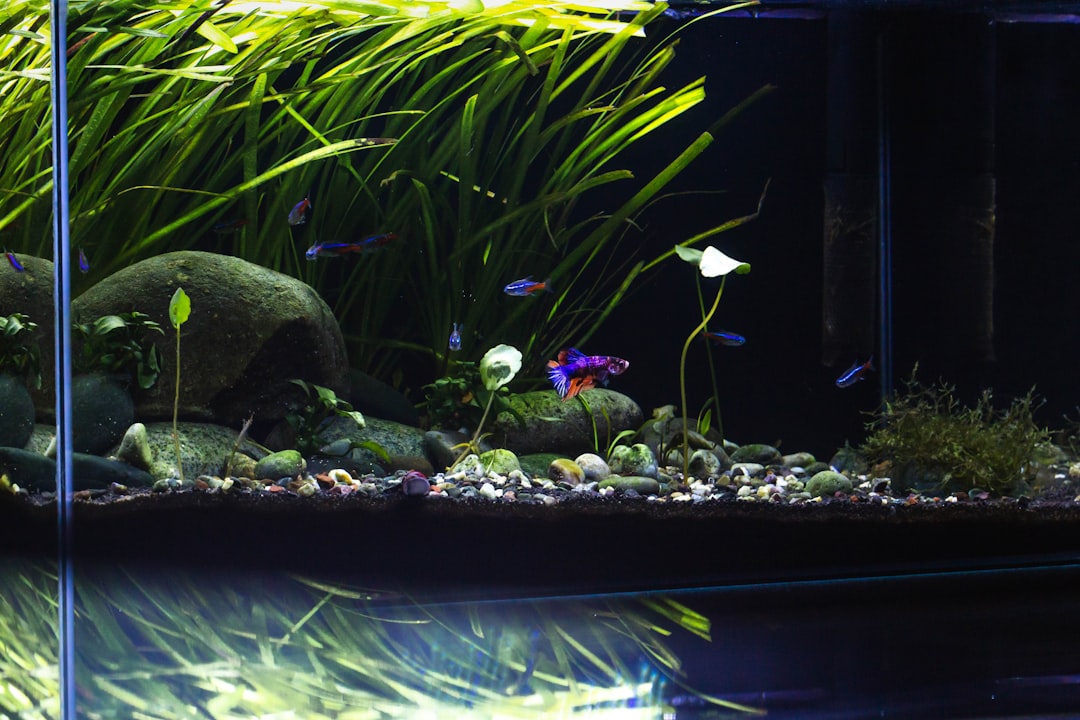
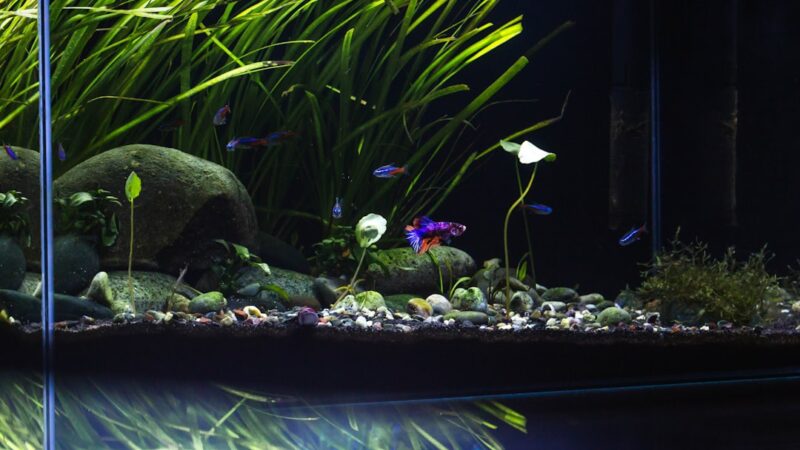
George Farmer’s aquascaping work — soft, plant-dominant, asymmetrical and deliberately imperfect — has shaped what a generation of hobbyists understand as “natural” style. This George Farmer aquascape style guide unpacks what defines his plant-led naturalistic approach, how it differs from Takashi Amano’s stricter Nature Aquarium school, and how to apply the core ideas in a Singapore tank with locally available species. Gensou Aquascaping has followed Farmer’s work and UK Aquatic Plant Society output for over a decade, and this guide translates his philosophy into practical build decisions. This guide sits inside our broader Aquascaping Styles Design Hub reference.
Quick Facts
- Nationality: British, based in the UK (Peterborough area)
- Known for: plant-led naturalistic scapes, wabi-kusa work, YouTube education
- Signature traits: soft asymmetry, dense planting, minimal obvious hardscape
- Influences: Takashi Amano, wabi-kusa tradition, British riverine landscapes
- Preferred tanks: rimless open-top, low-iron glass, 60-120 cm
- Typical plant count: 15-25 species per scape
- Co-founder: UK Aquatic Plant Society
Plant-Led Rather Than Hardscape-Led
Most competition aquascaping places hardscape first — rocks and wood set the composition, then plants fill supporting roles. Farmer reverses that priority. His scapes read as plant masses with rock and wood peeking through, and the visual weight sits firmly in foliage textures rather than stone profiles.
This approach suits keepers who enjoy gardening and want seasonal change. A Farmer-style layout evolves visibly week to week as stems grow, trims reshape the skyline, and replanted cuttings rebalance the density.
Naturalistic Imperfection
Farmer explicitly rejects the manicured perfection of Dutch style and the strict golden-ratio compositions of classical Iwagumi. His scapes favour asymmetry, natural overgrowth, and what he often calls “happy accidents” — plants allowed to self-seed and spread where they thrive rather than being forced to a rigid plan.
The result looks like a sheltered riverbank or wet woodland floor rather than a designed garden. Moss creeps across rock edges, stem plants lean where light pulls them, carpets break up organically.
Wabi-Kusa Influence
Farmer has championed wabi-kusa — Amano’s emersed plant ball technique — as both standalone art and as transplant stock for underwater scapes. His wabi-kusa pieces build on hardscape substrate cores with layered emersed plant growth that can later be partially submerged.
For a Singapore hobbyist, wabi-kusa is an accessible starting point: a single glass bowl with a shaped substrate mound, moss and emersed-grown Hydrocotyle tripartita or Marsilea hirsuta, kept humid under a clear dome. It builds the species library that later populates a full scape.
Tank and Hardware Preferences
Farmer consistently uses rimless optiwhite glass tanks in the 60-120 cm range, paired with suspended high-output LED fixtures — in his case typically Twinstar or Chihiros units. CO2 injection is standard, dosed at 30 ppm via inline diffuser.
Substrate is almost always an aquasoil base with Power Sand under heavy root zones. Lighting intensity is moderate-to-high but offset with floating plants (frogbit, Amazon frogbit) that shade the carpet and soften the light profile.
Plant Palette
Farmer leans on textural contrast rather than colour flash. Typical species list: Hygrophila pinnatifida for leaf shape drama, Bucephalandra across rocks, Rotala rotundifolia and Rotala ‘Green’ as background stems, Cryptocoryne wendtii in mid-ground, Monte Carlo or Marsilea for carpets, and various mosses — especially Vesicularia ferriei (Weeping Moss) — across wood.
Reds and pinks are used sparingly as accent rather than focal point. This contrasts with the bright-chromatic Dutch-style palettes.
Applying the Style in Singapore
All the listed species are available through local shops in Clementi (C328) and Thomson aquascaping specialists. Tropica 1-2-Grow! tissue cultures arrive regularly and suit Farmer’s preference for clean, algae-free starts. PUB tap water combined with ADA Amazonia delivers the soft acidic conditions the stem plants prefer.
The constant 28-32 degC ambient is slightly warmer than Farmer’s UK baseline of 22-24 degC, so expect faster stem growth and more frequent trimming — weekly during the first three months and fortnightly thereafter.
Trimming and Long-Term Management
Farmer treats a scape as a dynamic composition. Weekly trims shape the stem skyline; aggressive replanting every three to four months refreshes the foreground. He often tears down and replants carpets entirely rather than letting them compact and detach.
This is a higher-maintenance philosophy than Iwagumi or low-tech Walstad. Budget one to two hours of weekly active gardening for a 60-90 cm Farmer-style scape.
Learning from His Output
Farmer’s YouTube channel and his book Aquascaping: A Step-by-Step Guide to Creating Beautiful Aquariums are the main published references. The UK Aquatic Plant Society forum and competition archives show scapes in progression rather than just final shots — useful for understanding how plant mass shifts over a six-month timeline.
Related Reading
Nature Aquarium Guide by Takashi Amano
Aquascape Nature Style Step by Step
Aquascape Styles Compared
Famous Aquascapers and Their Signature Styles
Aquascaping Styles: Nature, Iwagumi, Dutch