
Pictus Catfish Complete Care Guide: Pimelodus pictus
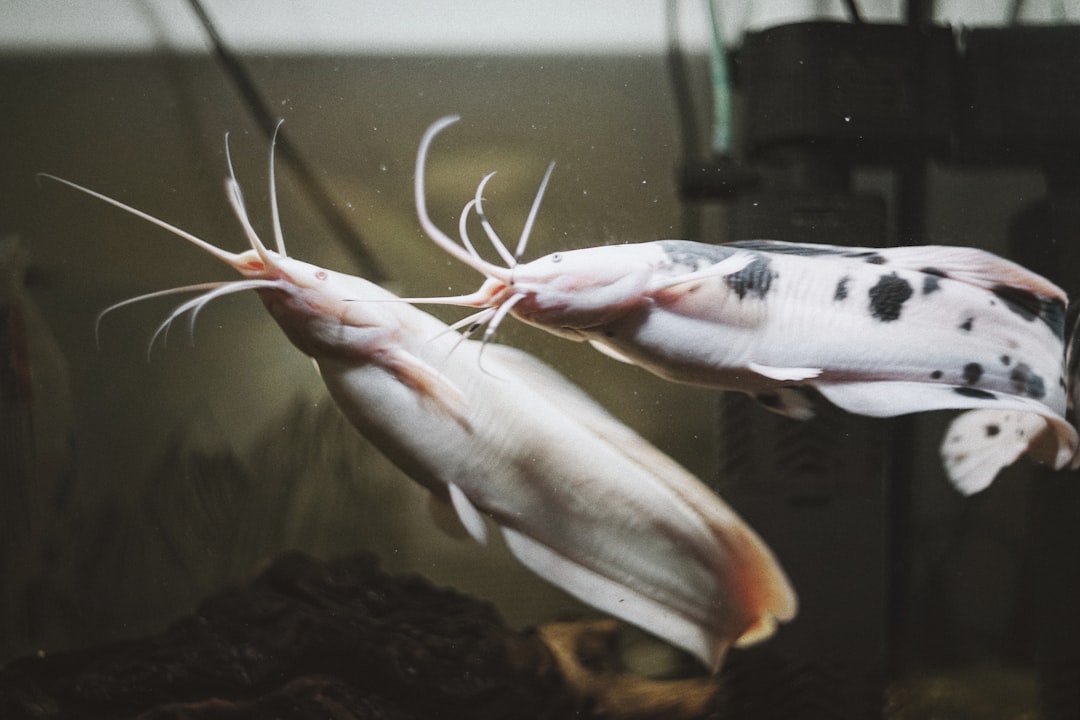
Pictus catfish are the hyperactive speedsters of the catfish world — spotted silver bodies, trailing whisker-like barbels that can extend past the tail, and a schooling drive that separates them from every other commonly kept catfish. They are the fish most likely to eat the neons you painstakingly raised, because anything small enough fits the mouth. This pictus catfish complete care guide from Gensou Aquascaping at 5 Everton Park covers Pimelodus pictus housing, appropriate tank mates, diet and the critical note on barbel protection that spares new keepers an ugly lesson.
Species Profile and Appearance
Pictus catfish reach 10-12cm in well-kept tanks, with the occasional specimen hitting 15cm. They are silver-grey with distinct black spots and forked tails that power their darting swim pattern. The barbels extend from the upper jaw and reach nearly body-length — sensory organs that easily tangle or tear on sharp décor. Native to the Amazon and Orinoco basins, they inhabit fast-flowing rivers with sandy substrate and driftwood cover.
Tank Size and Shoaling Requirement
Pictus are obligate shoalers — single specimens become skittish, nocturnal and stressed. Stock in groups of 4-6 minimum. A group of 5 needs 300 litres with a 120cm length footprint; length matters far more than height because of their constant sprint-swim pattern. In anything smaller they collide with glass during night activity, damaging barbels and body. Browse the tanks and cabinets range for 4-foot and 5-foot footprints that suit them properly.
Substrate and Hardscape
Sand substrate protects barbels from abrasion — gravel, especially coarse or sharp varieties, wears down and eventually tears the sensory filaments, which rarely regrow fully. Use fine pool filter sand or play sand rinsed thoroughly before use. Hardscape should avoid sharp edges: smooth river rocks, worn driftwood with rounded surfaces, and dense plant coverage in the background. Leave a clear open swimming lane at least 80cm long for their characteristic dashes.
Water Parameters
Target 23-27°C, pH 6.5-7.5, GH 4-12, KH 2-6. Singapore tap water fits this profile naturally after dechlorination. Pictus produce moderate bioload but are sensitive to nitrate accumulation — keep weekly 25-30% water changes and maintain nitrate below 20 ppm. Strong, oxygen-rich current matches their riverine origin; pair with a canister rated 150% of tank volume from the filtration range plus an additional powerhead for flow.
Tank Mate Compatibility — Size Rules
The critical rule: anything under 5cm is potential food. Pictus hunt actively at night and ambush small tetras, dwarf rasboras, juvenile shrimp and fry. Safe companions must exceed 6-7cm adult size. Rainbowfish (boesemani, turquoise), larger tetras (Congo, diamond, buenos aires), silver dollars, medium cichlids (severum, keyhole), plecos and other medium South American species all work. Avoid neon tetras, ember tetras, chili rasboras, guppies and shrimp entirely.
Compatible Bottom Dwellers
Other catfish cohabit fine given space. Bristlenose plecos, common plecos, larger corydoras (sterbai, bronze, schwartz) and synodontis species share the footprint without conflict. Pictus occupy midwater during the day and all levels at night, so bottom specialists carve their own niche. Avoid keeping pictus with fancy plecos bearing delicate fin rays — pictus speed can clip during feeding frenzies. Source compatible bottom species through the tropical fish range.
Diet and Feeding Protocol
Pictus are omnivores leaning carnivore. Sinking catfish pellets (Hikari, New Life Spectrum) form the staple; supplement with frozen bloodworm, mysis, krill, earthworm pieces and occasional live blackworm. Feed at lights-off because of their nocturnal activity pattern; daytime feeding teaches them to charge tank mates for food. A healthy adult needs 4-5 grams of food daily, split across two feedings. Stock pellets and frozen foods through the fish food range.
Lighting and Photoperiod
Pictus prefer dim to moderate lighting. Bright LEDs drive them into caves during the day, making them invisible to the keeper. Use a 6-7 hour photoperiod with ramp-up and ramp-down, or floating plants to diffuse overhead lighting. Moonlight settings during evening hours allow observation of natural night activity without disrupting their rhythms. A single bright focal light on the aquascape while the rest stays dim often draws them into the open.
Sourcing and Quarantine
Pictus catfish rotate through C328 Clementi, Polyart, Seaview and Qian Hu at SGD 15-25 for 5-7cm juveniles. Larger specimens above 10cm are uncommon in retail and command SGD 35-60. Always buy a group simultaneously rather than adding singles — introducing a new pictus to an established group triggers territorial chasing that can last weeks. Quarantine all new arrivals for 14 days in a 75-litre tank with sponge filter to screen for ich and bacterial infections common in shipping.
Common Problems
Damaged barbels from gravel substrate are the most frequent pictus keeper complaint — and the most preventable. Replace gravel with sand during the first water change if the tank was set up that way. Ich outbreaks occur after temperature crashes during heavy monsoon periods; pictus are scaleless-like with minimal scaling and respond poorly to copper-based ich medications — use heat treatment (raise to 30°C for 10 days) instead. Lifespan reaches 8-10 years in well-maintained conditions.
Related Reading



