
Pond Ich Treatment vs Aquarium Guide: Dosing for Volume
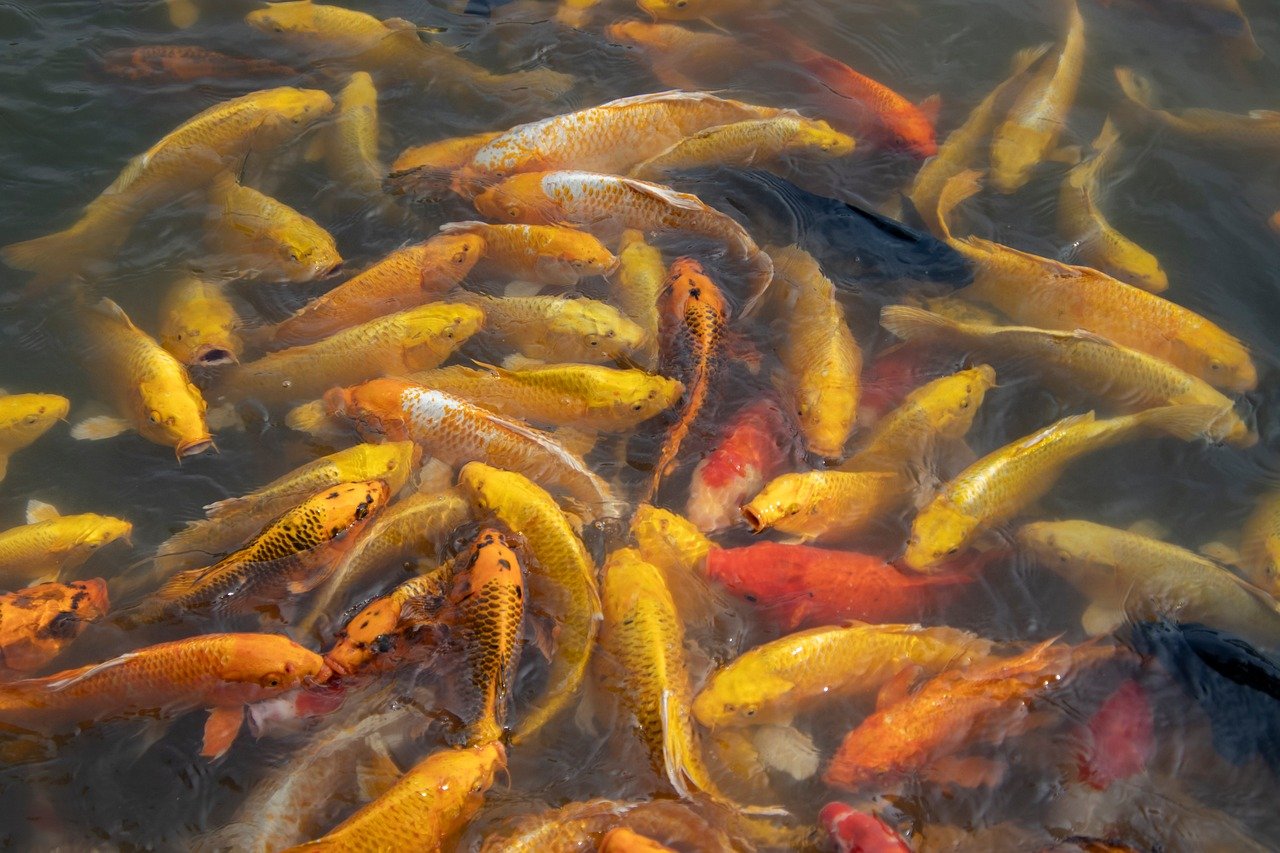
Treating ich in a 200 litre planted tank is one problem. Treating it in a 6,000 litre koi pond at the back of a Bukit Timah landed house is a completely different exercise in arithmetic, ventilation, and patience. This pond ich treatment vs aquarium guide from Gensou Aquascaping at 5 Everton Park lays out where the two protocols genuinely differ, what scales linearly, and where you risk killing valuable koi by copy-pasting an aquarium dose. Two decades of pond consultations sit behind every figure below.
Why Volume Changes the Game
Aquarium ich responds quickly because the water column is small, temperature swings are easy, and a 50 per cent water change finishes in 20 minutes. A pond holds 10 to 60 times the water of a typical tank, sits outdoors with biofilm-coated rockwork, and cannot be heated economically. Medication that costs $8 SGD per dose for a 200 litre tank costs $200 SGD per dose for a 5,000 litre pond, and any miscalculation means burning through that on a single failed treatment.
Confirming Ich Outdoors
Pond ich (Ichthyophthirius multifiliis) shows the same pinhead white spots as aquarium ich, but you often spot it later because koi are darker and partly obscured by surface reflection. Look for flashing against rocks, clamped fins, and reduced appetite during morning feeds. A torch shone obliquely after sunset reveals spots more clearly than midday viewing. Confirm before dosing — costia, trichodina, and chilodonella present similar symptoms but need different drugs.
Calculating True Pond Volume
Most pond owners overestimate volume. Measure length, breadth, average depth, and apply 0.8 as a fudge factor for irregular profiles, plant baskets, and rockwork displacement. A 3m x 2m x 1m pond is not 6,000 litres in practice; it is closer to 4,800 litres. Dosing on the paper figure produces a 25 per cent overdose. Read our pond filtration system guide complete for a refresher on accurate sizing.
Heat Treatment in Tropical Singapore
Aquarium ich often clears with sustained 30°C for two weeks. In Singapore ponds, ambient water already sits 28-32°C through most of the year, which actually accelerates the parasite life cycle and shortens treatment windows compared to temperate climates. The trade-off is dissolved oxygen — at 32°C, water holds roughly 25 per cent less oxygen than at 22°C, and ich-stressed koi need every bit of it. Run extra airstones the moment you confirm infection.
Salt as the First-Line Pond Treatment
Pond-grade non-iodised salt at 0.3 per cent (3 g per litre) suppresses ich in koi ponds without harming most aquatic plants if dosed gradually over 48 hours. Avoid salt above 0.5 per cent if you keep lotus, water lily, or lilaeopsis. For a 5,000 litre pond, that is 15 kg of salt — buy the 25 kg agricultural-grade sacks from Pasir Ris feed suppliers rather than overpaying for branded pond salt online. Maintain salinity for 14 days, then dilute through partial water changes.
Formalin and Malachite Green Combinations
Where salt fails or fish are too stressed for added osmotic load, formalin-malachite green (FMG) combinations remain the koi pond standard. Dose at 25 ml of FMG per 1,000 litres for the standard product strength, repeat every 48 hours for three doses. Turn off UV during treatment — UV degrades malachite green within hours. Our aquarium malachite green treatment guide covers the chemistry; pond dosing is the same per-litre but multiplied across a far larger volume.
Why Aquarium Heat-Only Fails in Ponds
The heat-only protocol works in a sealed glass box. A pond has no ceiling — overnight cloud cover and a tropical thunderstorm can drop surface temperature by 3°C in an hour, breaking the parasite life cycle disruption you spent a fortnight maintaining. Pond ich treatment must use chemistry, not temperature manipulation alone. See our aquarium ich heat treatment only guide for the indoor version.
Filter and Biological Risks
Aquarium treatments occasionally crash a small filter; pond treatments can crash a $3,000 SGD bead filter or a custom-built bog filter overnight. Formalin in particular suppresses nitrifiers for 7-14 days. Bypass UV during dosing, monitor ammonia daily for two weeks after treatment ends, and have spare bottled bacteria culture (Stability or equivalent) ready to seed recovery.
Quarantine New Koi to Prevent Recurrence
Most pond ich outbreaks trace back to a new koi added without quarantine. A four-week quarantine in a 200-300 litre tub with sponge filter, salt at 0.3 per cent, and prophylactic praziquantel catches ich, flukes, and costia before they reach the main pond. The cost of a quarantine tub setup is under $200 SGD; the cost of treating an established pond runs $400-1,200 SGD per outbreak.
Knowing When to Call a Vet
If koi continue dying after two full treatment cycles, stop dosing and consult an aquatic vet. Singapore has a small but capable pool of fish vets who will scrape, microscope, and identify whether you are actually fighting ich, costia, or a secondary bacterial infection riding on parasitic damage. Self-medicating beyond two cycles risks burning gills, livers, and your remaining stock. A 200 litre planted tank ich treatment with salt, FMG, and a heater bump runs around $20-35 SGD all-in; the same protocol on a 5,000 litre pond runs $300-500 SGD in salt, $100-150 SGD in FMG, and an additional $60-90 SGD in electricity from running larger air pumps. Budget for it before you commit to outdoor koi keeping.
Recording the Outbreak for Next Time
Log the exact volume calculation, dose used, water temperature trend, and time-to-clearance in a notebook kept by the pond. Ich tends to recur seasonally — usually after monsoon temperature swings or after introducing tank-bred koi from a different farm. A second outbreak treated with notes from the first finishes faster and cheaper.
Related Reading



