
Royal Gramma Care Guide: A Bold Beauty for Nano Reef Tanks
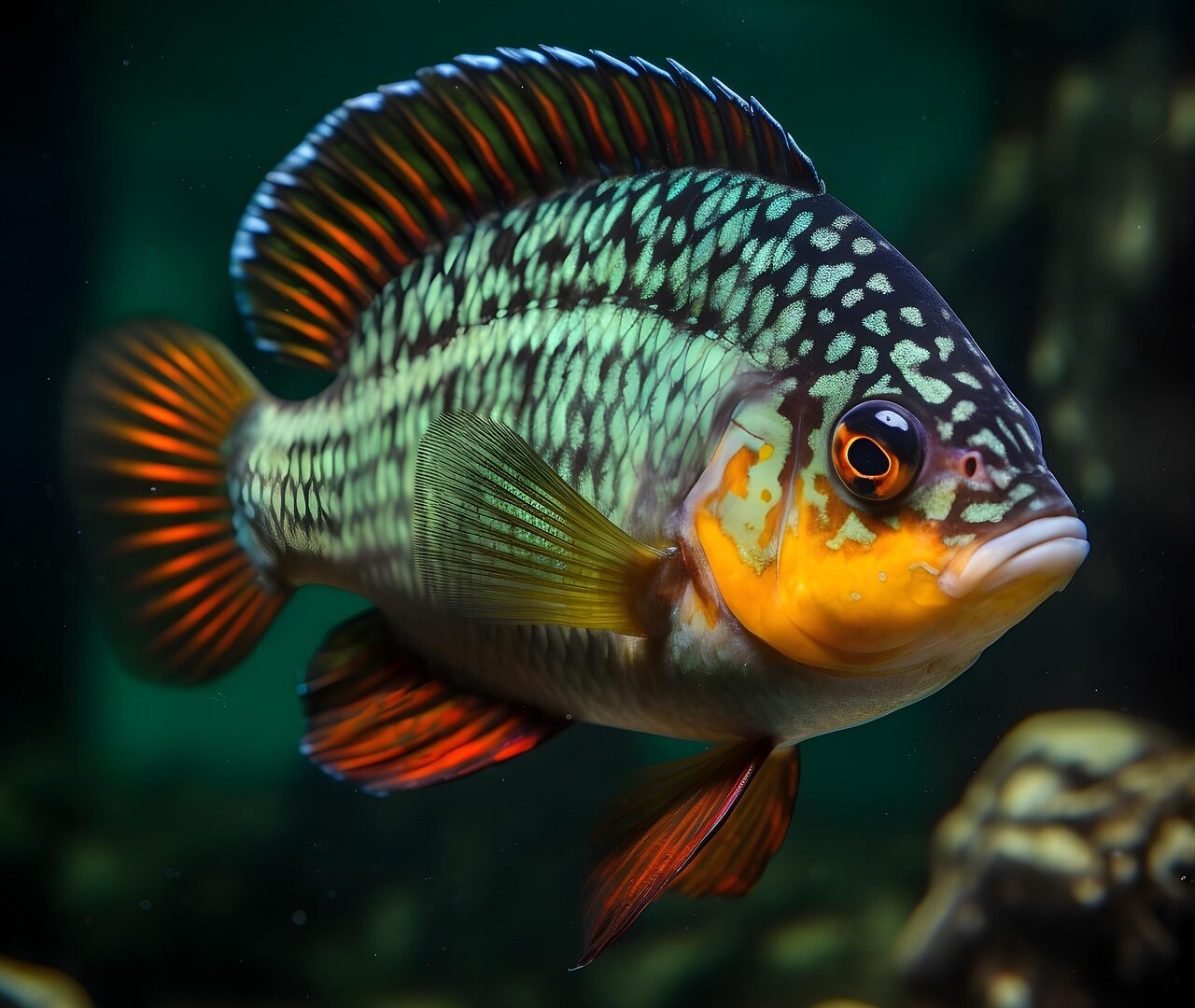
With its vivid purple-to-yellow gradient, the royal gramma is one of the most eye-catching fish you can add to a small reef. This royal gramma care guide for marine hobbyists walks you through housing, feeding, and keeping Gramma loreto healthy in Singapore’s tropical conditions. At Gensou Aquascaping, we consider it one of the best nano reef fish available — hardy, peaceful, and stunningly coloured without any special lighting tricks. This guide sits inside our broader Saltwater Reef Tank Master Guide reference.
Species Overview
Native to Caribbean reefs, the royal gramma reaches about 7-8 cm in length. Its front half glows deep purple while the rear fades into golden yellow — a colour split that makes it unmistakable. Unlike many colourful marine fish, captive specimens hold their colour well under standard reef LEDs. Prices in Singapore typically range from $30 to $60 SGD depending on size and source.
Tank Requirements
A single royal gramma does well in tanks as small as 75 litres, making it a genuine nano reef candidate. Provide plenty of live rock with caves and overhangs — these fish are cave dwellers that spend much of their time hovering upside down beneath ledges. This behaviour is perfectly normal and not a sign of distress. Ensure rock structures are stable, especially in HDB flats where vibrations from neighbouring units can occasionally shift loose arrangements.
Water Conditions
Keep temperature between 24 and 27 degrees C, salinity at 1.024-1.026, and pH at 8.1-8.4. Singapore’s ambient warmth means active cooling is non-negotiable for marine tanks. A clip-on fan may suffice for nano setups, though a proper chiller provides more consistent control. Ammonia and nitrite must remain undetectable, and nitrate under 15 ppm is ideal for a reef housing both fish and corals.
Feeding and Diet
Royal grammas are micro-predators that feed on zooplankton and small crustaceans in the wild. Offer a varied diet of frozen mysis shrimp, enriched brine shrimp, and high-quality marine pellets. They tend to dart out from their cave to grab food, then retreat — so target feeding near their favourite hiding spot ensures they eat well. Two small meals per day keep them in excellent condition.
Temperament and Tankmates
Generally peaceful toward other species, royal grammas can be territorial with fish that share a similar body shape or colour pattern. Keep only one per tank unless you have a mated pair — two unmated individuals will fight relentlessly. Excellent companions include ocellaris clownfish, firefish gobies, green chromis, and small wrasses. Avoid housing them with large dottybacks or aggressive basslets that compete for the same cave spaces.
Health and Quarantine
Royal grammas are reasonably disease-resistant once established, but wild-caught imports should still undergo a full quarantine of two to four weeks. Watch for signs of marine ich or flukes during this period. Stress from poor acclimation is the biggest killer — use the drip method to transition them slowly from bag water to your tank parameters. Healthy specimens are bold feeders that display vivid colouration from the first week.
Breeding in Captivity
Captive breeding of royal grammas is possible but uncommon in home aquariums. Males build nests using macroalgae fragments inside caves, and females deposit eggs for the male to guard. Raising the larvae requires rotifer and copepod cultures — a rewarding project for advanced hobbyists, though most Singapore keepers simply enjoy them as display fish.
Related Reading



