
Staurogyne Repens Care Guide: The Easy Foreground Plant
Introduction
If you have been searching for a foreground plant that delivers a lush, compact carpet without the intense demands of HC Cuba or glossostigma, Staurogyne repens deserves your attention. This hardy South American stem plant stays low, spreads sideways through runners and side shoots, and tolerates a wider range of conditions than most carpeting species. This guide sits inside our broader Planted Tank Complete Hub reference.
For Singapore aquascapers, staurogyne repens care is particularly appealing. It handles our warm water temperatures without fuss, does not demand CO2 injection (though it benefits from it), and grows at a manageable pace that will not overwhelm your layout every week. Whether you are a beginner graduating from Java fern and Anubias or an experienced hobbyist looking for a reliable foreground, S. repens is a superb choice.
Appearance and Growth Habit
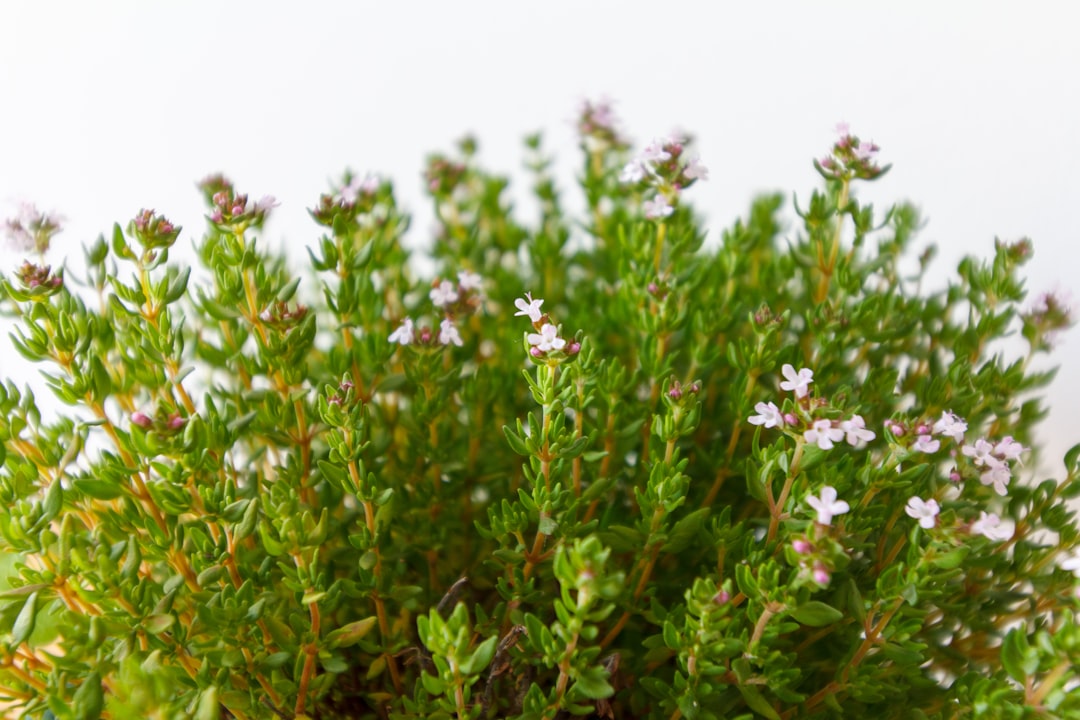
Staurogyne repens produces small, bright green leaves on sturdy, compact stems. Each leaf is roughly 1 to 2 centimetres long, slightly wider than the leaves of Hygrophila species to which it is closely related. The plant typically grows to a height of 3 to 5 centimetres in the foreground under moderate light, though it can stretch taller (up to 10 centimetres) in lower light conditions as it reaches upward.
Growth is slow to moderate compared to fast-growing stems, which is actually an advantage — you spend less time trimming and reshaping. The plant spreads laterally by producing side shoots from the base, gradually forming a dense mat of overlapping leaves. With patience, a few pots of S. repens can fill out a foreground area beautifully over several months.
Tank Placement
S. repens is most commonly used as a foreground plant, planted in clusters across the front of the tank to create a low green carpet. It also works well as a midground accent in nano tanks or transition zones between foreground carpets and taller background plants.
When planting, separate tissue-cultured portions or potted bunches into individual stems or small clumps of two to three stems. Plant them roughly 2 to 3 centimetres apart, pressing each stem firmly into the substrate. The spacing allows room for lateral growth while ensuring coverage develops within a reasonable timeframe.
For a natural aquascape, plant S. repens at the base of hardscape elements — around stones and driftwood — where it softens hard edges and creates a sense of established growth. Our aquascaping team frequently uses this technique in Gensou layouts.
Lighting Requirements
One of the key advantages of staurogyne repens care over other foreground plants is its moderate light requirement. While HC Cuba and glossostigma demand high light to carpet, S. repens performs well under medium light (40–60 PAR at substrate level).
- Low light — the plant survives but grows upward rather than staying compact. It may become leggy with visible stem between leaves.
- Medium light — ideal balance of compact growth and manageable speed. The plant stays short and spreads laterally.
- High light — faster, denser growth with excellent compactness, but increases the need for CO2 and fertilisation to prevent algae.
A standard LED aquarium light designed for planted tanks (such as the Chihiros A or Twinstar series, both popular in Singapore) provides sufficient output for S. repens at typical foreground depth.
CO2 and Fertilisation
CO2 injection is not essential for staurogyne repens, but it noticeably improves growth rate, compactness and overall health. Without CO2, expect slower lateral spreading and slightly leggier growth. With CO2, the plant fills in faster and stays tighter to the substrate.
For fertilisation:
- Root feeding — S. repens is a moderate root feeder. Insert root tabs near the plant clusters every two to three months, particularly in inert substrates like sand or gravel.
- Liquid fertiliser — a comprehensive liquid fertiliser dosed two to three times per week provides the micronutrients (iron, manganese) that support healthy green colouration.
- Active substrates — nutrient-rich substrates like ADA Amazonia or Tropica Aquarium Soil reduce or eliminate the need for root tabs during the first six to twelve months.
Substrate Requirements
S. repens develops a decent root system and anchors well in most substrates. Fine gravel (1–3 mm) or aquarium soil works best. Coarse gravel can make planting difficult, and lightweight stems may float out before roots establish.
If using an inert substrate (plain sand or gravel), root tabs are important to supply nutrients directly to the root zone. In nutrient-rich substrates, the plant draws what it needs from the soil and grows noticeably faster during the initial months.
Propagation and Trimming
Propagating staurogyne repens is straightforward:
- Side shoots — the plant naturally produces lateral runners from the base. Once a side shoot has its own roots and three to four leaves, you can separate it and replant elsewhere.
- Top trimming — when stems grow too tall, trim the top 2–3 centimetres and replant the cutting directly into the substrate. The original stump will produce new side shoots, increasing density.
Regular trimming is the key to achieving a dense, carpet-like appearance. Without trimming, S. repens grows upward and becomes bushy rather than spreading laterally. Trim every four to six weeks during active growth, cutting stems back to 2–3 centimetres in height. This encourages the plant to branch sideways rather than stretch upward.
Comparison with Other Foreground Plants
| Plant | Light Demand | CO2 Required | Growth Speed | Difficulty |
|---|---|---|---|---|
| Staurogyne repens | Medium | No (but helps) | Slow–moderate | Easy–moderate |
| HC Cuba | High | Yes (essential) | Moderate | Difficult |
| Monte Carlo | Medium–high | Strongly recommended | Moderate | Moderate |
| Glossostigma | High | Yes (essential) | Fast | Difficult |
| Dwarf hairgrass | Medium–high | Strongly recommended | Moderate | Moderate |
S. repens is the most forgiving foreground option on this list. It is an excellent stepping stone for hobbyists who have mastered easy plants and want to attempt a foreground carpet without immediately committing to high-tech equipment.
Common Issues
Leggy, Upward Growth
Usually caused by insufficient light. Increase light intensity or duration, or trim aggressively to encourage lateral branching.
Melting After Planting
Tissue-cultured and emersed-grown S. repens may shed some leaves during the transition to submersed growth. This is normal. New submersed leaves will replace them within two to three weeks. Do not uproot the plant — leave it in place.
Yellowing Leaves
Typically a sign of nutrient deficiency, particularly nitrogen or iron. Increase liquid fertiliser dosing or add root tabs. Check that your lighting is not so high that nutrients are being consumed faster than they are supplied.
Frequently Asked Questions
Can staurogyne repens grow without CO2?
Yes. S. repens is one of the few foreground plants that can grow and spread without CO2 injection. Growth will be slower and the plant may be slightly leggier, but with moderate light and regular fertilisation it will form a presentable carpet over time. CO2 simply accelerates the process and improves compactness.
How long does it take to carpet with staurogyne repens?
With CO2 and good light, expect a reasonably dense foreground in three to four months from a well-spaced initial planting. Without CO2, six months or more is realistic. Regular trimming is essential to encourage lateral spread rather than upward growth.
Is staurogyne repens suitable for nano tanks?
Absolutely. Its compact size and moderate growth rate make it ideal for nano tanks of 20 litres and above. In very small tanks, it can even serve as a midground or background plant due to its manageable height.
Does staurogyne repens need an active substrate?
No, but an active substrate makes care easier by providing root-zone nutrients without additional root tabs. In inert substrates, supplement with root tabs every two to three months to ensure healthy root feeding.
Staurogyne repens is one of the most rewarding foreground plants for hobbyists ready to move beyond beginner species. It offers the look of a lush carpet without the demanding requirements of more difficult alternatives. If you would like to add S. repens to your planted tank or need guidance on creating a foreground layout, visit Gensou at 5 Everton Park — we stock tissue-cultured and potted portions regularly.
Related Reading



