
Synodontis Petricola Care Guide: Dwarf Upside-Down Catfish
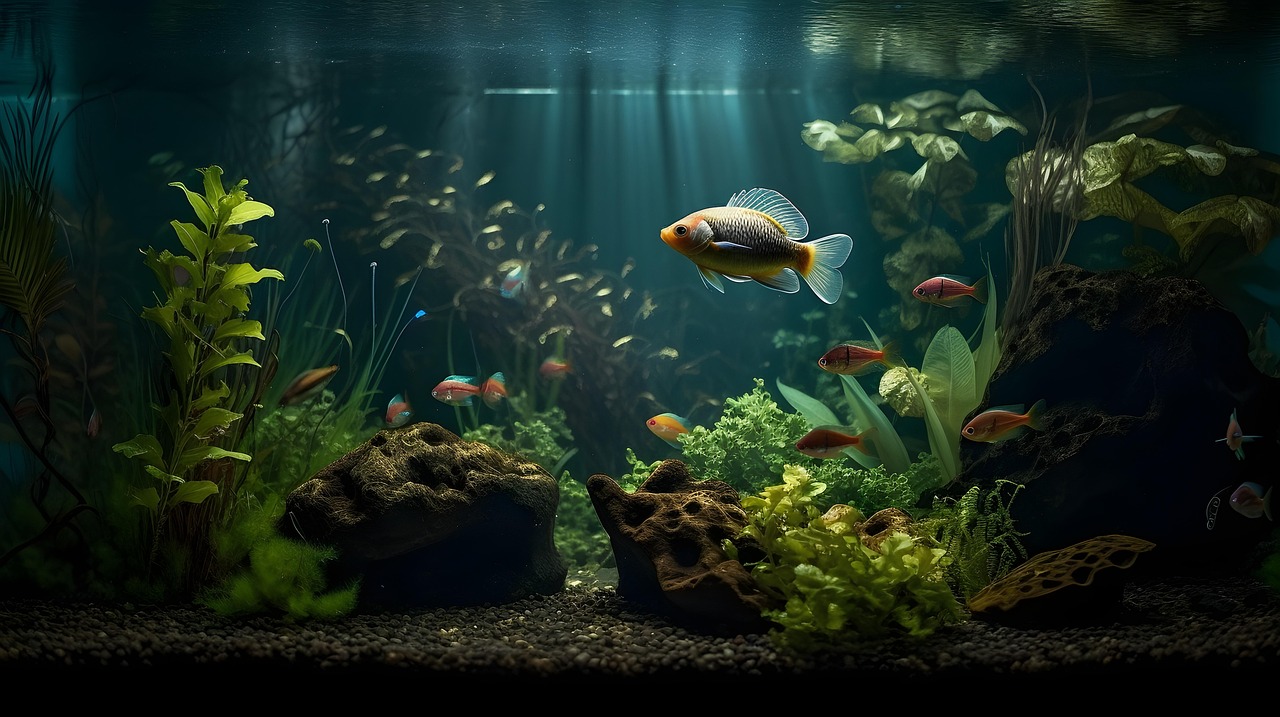
Among the dozens of catfish species available in Singapore’s aquarium trade, Synodontis petricola stands apart for its combination of manageable size, striking spotted pattern, and compatibility with one of the hobby’s most demanding biotope setups — the Lake Tanganyika cichlid community. Reaching just 10–12 cm, it is significantly smaller than many of its mochokid relatives yet carries the same upside-down swimming behaviour and social character that makes the genus so entertaining. This Synodontis petricola care guide from Gensou Aquascaping at 5 Everton Park covers everything needed to keep and potentially breed this rewarding species.
Natural Habitat and Biotope Context
Synodontis petricola is endemic to Lake Tanganyika, inhabiting the rocky shoreline zones where it shelters among boulders and forages for algae, invertebrates, and organic detritus. This biotope context is important: it means the species is adapted to hard, alkaline, well-oxygenated water — parameters very different from the soft, acidic conditions most planted tank fish prefer.
Tank Size and Setup
A minimum tank volume of 120 litres suits a group of three to five adults comfortably. S. petricola is a social catfish and should always be kept in groups — solitary specimens hide constantly and rarely thrive. In a group they establish a loose social hierarchy, occupy different cave territories, and come out to forage together during feeding time.
The tank should be filled with rocky structures. Stack smooth stones or dragon stone to create numerous caves and overhangs — these fish spend their resting hours wedged into crevices, often upside-down against a flat rock ceiling. A sandy substrate between the rock structures allows natural foraging behaviour. Plants are optional; if included, choose hardy species that tolerate hard alkaline water, such as Anubias or Vallisneria.
Water Parameters
Unlike most ornamental catfish, S. petricola needs hard, alkaline water to thrive long-term. Target pH 7.8–9.0, GH 15–25, and temperature 24–27°C. Singapore’s soft PUB tap water requires significant modification — add crushed coral substrate, limestone rocks, or a commercial Rift Lake mineral supplement to raise hardness and pH. Test parameters weekly and supplement as needed, as carbonate hardness naturally drops as CO₂ is produced by inhabitants and biological processes.
High dissolved oxygen is essential. Synodontis petricola comes from a deep, well-oxygenated lake. Ensure strong surface agitation through a powerhead, spray bar, or vigorous hang-on-back filter. Stagnant or low-oxygen conditions cause rapid decline in this species.
Feeding
This species is an omnivore with a strong preference for meaty foods and algae. High-quality sinking catfish pellets or wafers form the dietary base. Supplement with frozen foods — bloodworms, brine shrimp, and mysis shrimp — two to three times per week. S. petricola also grazes on algae growth on rocks and glass, which should be encouraged rather than cleaned away entirely.
Feed in the evening when the catfish are naturally more active. Drop food near their cave entrances rather than in open water — in a cichlid community, faster fish will often intercept food before the catfish emerge if it falls in exposed areas.
Tank Mates
Synodontis petricola is an excellent community fish within the correct biotope. It coexists peacefully with most Tanganyikan cichlids: Neolamprologus shellies, Julidochromis species, and smaller Cyprichromis make good companions. The catfish occupy the bottom and mid-water zones while cichlids claim territories above, making efficient use of vertical space.
Avoid housing with large, aggressive cichlids that may bully or attack the catfish during feeding. Cyphotilapia frontosa, while Tanganyikan, grows large enough to consume small S. petricola and should not be mixed with this species.
Breeding
Synodontis petricola has a remarkable and scientifically documented adaptation: it is a brood parasite of mouthbrooding cichlids. In the wild, females deposit their eggs alongside cichlid spawns, and the host cichlid inadvertently incubates petricola eggs along with its own. The catfish fry hatch first and may consume the cichlid’s eggs before the cichlid fry hatch.
In captivity, breeding without host cichlids has been documented but requires specific triggering conditions — simulating a seasonal rainfall event with a significant partial water change using slightly cooler water can stimulate spawning. Eggs hatch in 48–72 hours at 26°C. Fry accept micro foods and brine shrimp nauplii from the first week. For most hobbyists, captive-bred specimens are far more available commercially than wild-caught stock, and these adapt more readily to aquarium conditions. Gensou Aquascaping at 5 Everton Park can assist with sourcing quality captive-bred groups and appropriate mineral supplements for the Tanganyikan water chemistry this species requires.
Related Reading



