
Wellsophyllia Brain Coral Care Guide: Open Brain Husbandry
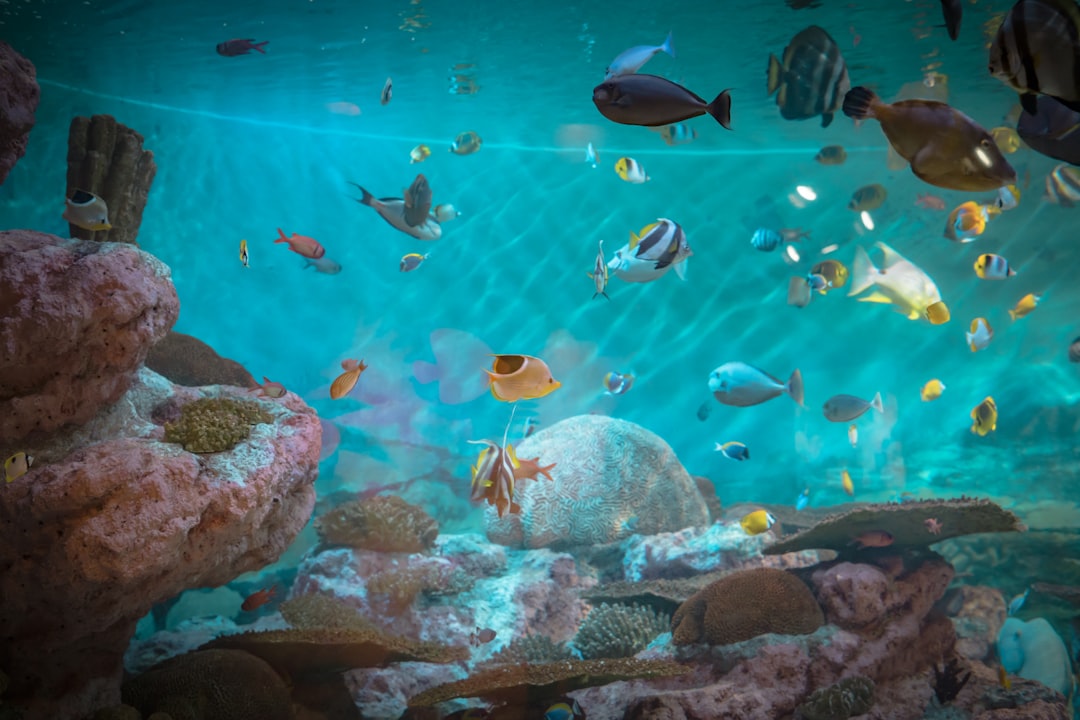
Open brain corals are among the most photogenic residents of any mixed reef, and Wellsophyllia sits high in that league thanks to its loosely meandering folds and striking contrast colours. This wellsophyllia brain coral care guide from Gensou Aquascaping at 5 Everton Park draws on more than 20 years of LPS keeping to help Singapore reefers settle these beauties correctly from day one. Note that Wellsophyllia has been taxonomically folded into Trachyphyllia in modern reviews, but the common-name usage still dominates the Singapore market.
Quick Facts
- Scientific name: now considered a form of Trachyphyllia geoffroyi
- Care level: moderate, responds to target feeding
- Lighting: PAR 50-120, low to moderate
- Flow: very gentle, diffuse
- Placement: soft sand bed only
- Temperature: 24-26 C, alkalinity 8-9 dKH
- Typical Singapore price: $80-180 per specimen
Species Profile
Wellso forms a single-headed, free-living colony with circular or domed folds. Tissue inflates dramatically during the day and deflates at dusk when the feeding tentacles emerge. Wild specimens come predominantly from Indonesian trade and are collected with free, unattached skeletons, which is why they are always placed on the sand rather than rockwork.
Tank Placement
Place Wellso directly on a fine sand bed, never on rock. The skeleton’s rounded base conforms to the sand and the tissue must be free to inflate without abrasion. Make a shallow depression so the coral does not roll when polyps are fully extended. Ensure at least 20 cm of clearance from stinging neighbours like euphyllia or elegance.
Water Parameters
Aim for alkalinity 8-9 dKH, calcium 420-440 ppm, magnesium 1300 ppm. Wellso benefits from slightly elevated nutrients: nitrate 5-10 ppm and phosphate 0.05-0.1 ppm drive tissue inflation and colour. Ultra-low-nutrient systems are a common cause of recession.
Lighting
Low to moderate light only. PAR 50-120 at the tissue surface is plenty. Most Singapore reef LEDs in nano tanks deliver this at sand level without adjustment. A longer blue-only period at the start and end of the cycle brings out the red and green fluorescent pigments without overexposure.
Flow
Very gentle, diffuse flow is essential. Tissue must inflate freely; any direct current will deflate the polyp and tear the tissue from the skeleton edge. Point powerheads away from the sand bed, and use a gyre pump pulsed at low speed if you must have movement in that zone.
Feeding
Feeding makes the difference between a surviving and a thriving Wellso. After the lights dim, feeding tentacles extend 2-3 cm. Offer mysis, chopped prawn, or LPS pellets on a target feeder, waiting for tentacles to fully engulf before releasing more. Two or three feedings per week suffice. Our target feeding corals guide lays out the sequence.
Sand Bed Considerations
Use sugar-fine aragonite sand at least 2 cm deep where the Wellso sits. Coarse sand or crushed coral abrades the underside tissue and causes recession. Move sifting stars and large nassarius snails that might tunnel beneath and topple the coral.
Compatibility
Keep peaceful fish only. Wrasses, firefish, clownfish, and gobies are safe. Butterflyfish, large angelfish, and puffers will nip at the exposed tissue. Avoid aggressive crabs and predatory shrimp. Pistol shrimp may disturb the sand bed around the coral.
Common Problems
Tissue recession is the most frequent issue, caused by low nutrients, poor sand placement, or allelopathy from leathers. Brown jelly disease follows rough handling or sudden parameter shifts. If you see the skeleton edge becoming visible, move the coral to a better spot and increase feeding frequency.
Buying in Singapore
Wellso specimens are imported intermittently, so ask shops at C328 and Serangoon North to call you when shipments land. Inspect for full tissue coverage with no exposed skeleton, bright fluorescent response under blue light, and no visible tears. Prices run $80-180 depending on colour grade.
Related Reading
Round out your brain-coral knowledge with these Gensou Aquascaping Singapore guides:



