
Symphyllia Brain Coral Care Guide: Closed Brain LPS
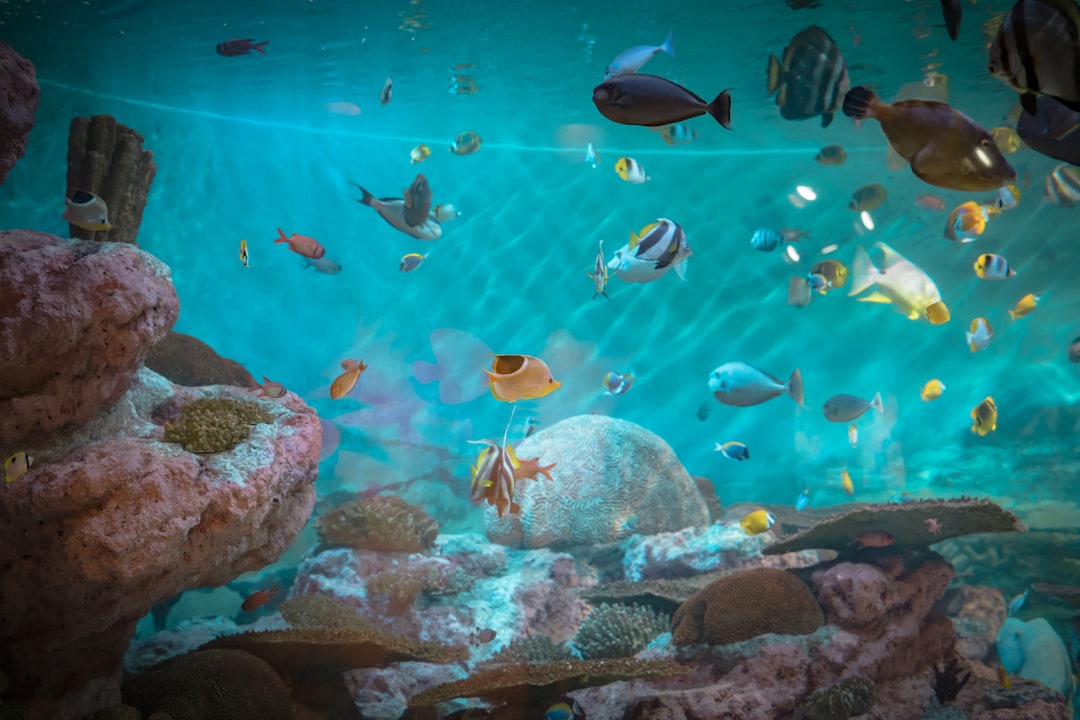
The tight, maze-like folds of a closed brain coral make it one of the most recognisable shapes in any mature reef. Unlike open brains that sit loose on sand, Symphyllia anchors firmly to rockwork and holds its shape rigidly thanks to a dense skeleton. This symphyllia brain coral care guide from Gensou Aquascaping at 5 Everton Park covers two decades of hands-on Symphyllia keeping, with emphasis on Singapore sourcing and the feeding habits that turn drab colonies into showstoppers within six months.
Quick Facts
- Scientific name: Symphyllia spp., family Lobophylliidae
- Care level: moderate, responds strongly to feeding
- Lighting: PAR 80-150, moderate
- Flow: moderate, indirect, variable
- Temperature: 24-26 C, alkalinity 8-9 dKH
- Placement: lower rockwork or sand
- Typical Singapore price: $90-220 per colony
Species Overview
Symphyllia produces a domed or disc-shaped colony of meandering valleys, each filled with a continuous polyp. It is often confused with Lobophyllia, but Symphyllia’s folds run longer and the ridges are taller. Colouration ranges from rusty red with green valleys to the prized “Rainbow Symphyllia” morphs that sell quickly at premium prices across Singapore shops.
Tank Placement
Lower rockwork or a flat sand depression suits Symphyllia. Avoid high-flow zones directly, and give 10-15 cm clearance from other corals because sweeper tentacles extend a surprising distance after dark. Orient the coral so valleys are horizontal; detritus trapped in upturned folds triggers tissue necrosis.
Water Parameters
Alkalinity 8-9 dKH, calcium 420-440 ppm, magnesium 1300 ppm, salinity 1.025. Nitrate 3-10 ppm and phosphate 0.03-0.08 ppm support both colour and flesh inflation. Parameter stability outranks absolute values; Symphyllia sulks and recedes at the slightest alkalinity swing above 1 dKH in 24 hours.
Lighting
Moderate light is the sweet spot. PAR 80-150 at the coral top is sufficient. Over-lit Symphyllia pales and loses its pigmentation. Adjust fixture height or dim the white channel first if you suspect excessive intensity. A 9-hour photoperiod works well in Singapore tanks.
Flow
Moderate, turbulent, and variable. Direct powerhead flow deflates the flesh and tears tissue off the ridge edges. A randomised gyre pump bounced off glass gives the gentle push needed to keep detritus out of the valleys without damaging the coral.
Feeding
Target feeding is the single biggest growth lever. After lights dim, short feeding tentacles emerge along every ridge. Offer mysis, chopped prawn, or LPS pellets and watch the tentacles trap food within seconds. Two or three weekly feedings noticeably accelerate inflation and colour. See our target feeding corals guide.
Compatibility
Peaceful with most reef-safe fish. Dottybacks, firefish, clownfish, and cardinals all coexist well. Avoid coral-nipping butterflies and large angels. Pistol shrimp and sifting gobies may disturb the colony if placed too close to a sand bed.
Common Issues
Brown jelly disease is the major Symphyllia killer. Causes include rough transport, sudden temperature drops, or skeleton damage during placement. If you see any tissue sloughing, dip the colony in Lugol’s solution, trim necrotic tissue with a pipette, and return it to a stable tank. Recession along a single valley is often reversible with increased feeding and a small water change.
Propagation
Symphyllia fragging is doable but less forgiving than Caulastrea or Euphyllia. Use a tile saw to split the skeleton along a natural fold, dip both pieces in iodine, and heal under low flow for 3-4 weeks. Many Singapore hobbyists prefer to buy established frags rather than attempt DIY propagation.
Buying in Singapore
Look for full flesh coverage, bright colour under blue light, and no exposed skeleton. Ask how long the shop has held the colony; freshly imported Symphyllia sometimes show transport bruising that develops into disease days later. Quarantine new purchases for at least two weeks before adding to the display.
Related Reading
Broaden your LPS knowledge with these Gensou Aquascaping Singapore guides:



