
How to Breed White Cloud Mountain Minnows: Cold Water Spawning
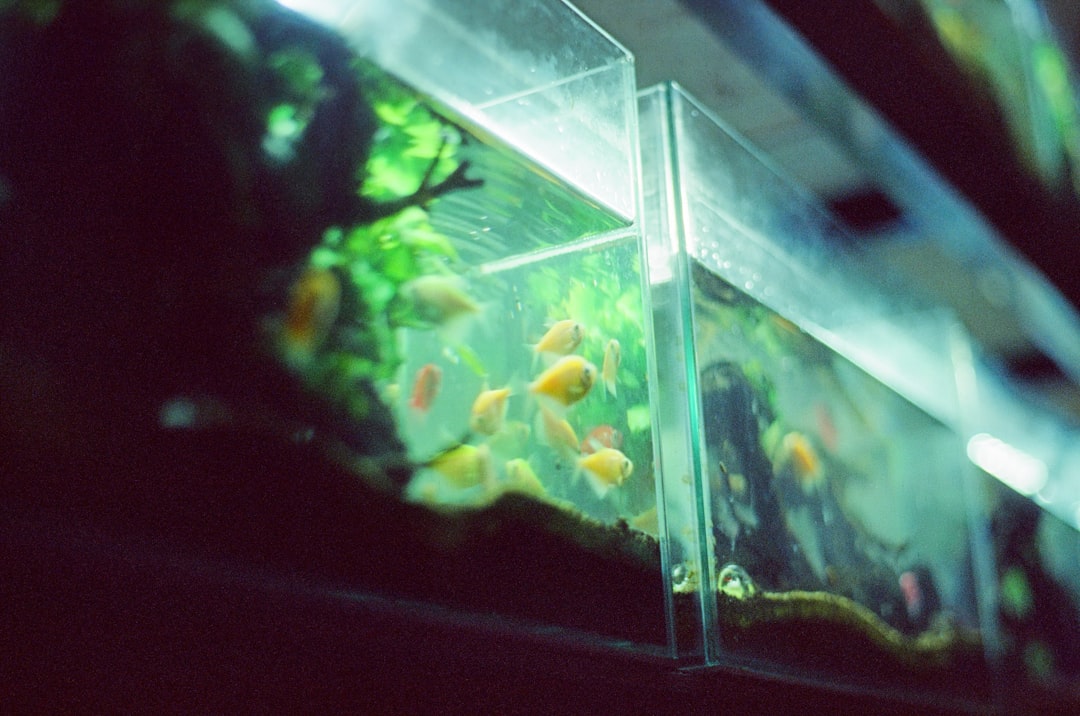
White cloud mountain minnows are among the easiest egg-scatterers to breed in home aquariums, yet many keepers never attempt it. This breed white cloud mountain minnow guide from Gensou Aquascaping Singapore shares proven methods refined over 20 years of hands-on fishkeeping at 5 Everton Park. Whether you keep a small group in a desktop nano or a large shoal in a planted tank, breeding white cloud mountain minnows is a rewarding project that any hobbyist can tackle.
Understanding the Species
Tanichthys albonubes originates from cool mountain streams in Guangdong province, China. Once feared extinct in the wild, small populations have been rediscovered. In the aquarium hobby, captive-bred stock is abundant and inexpensive — typically $1–$2 per fish in Singapore.
Adults reach 3–4 cm. Males are slimmer with more vivid red fin colouration; females are rounder-bodied, especially when gravid. Distinguishing the sexes becomes straightforward once you know what to look for, particularly when viewed from above.
Conditioning Breeders
Successful spawning starts with well-conditioned adults. Separate males and females for two weeks and feed generously with high-protein foods: frozen bloodworms, daphnia, and brine shrimp. Three small meals daily work better than one large feeding.
Females ready to spawn appear visibly plump when viewed from above. Males intensify in colour, with fins showing deeper red pigmentation. Select the healthiest, most colourful individuals — at least two males and three females per breeding group.
Setting Up the Breeding Tank
A bare-bottom 20-litre tank works perfectly. Add a mesh spawning grate elevated 2 cm above the base, or use a thick layer of java moss and marbles to protect falling eggs from adult predation. Gentle aeration from a small sponge filter provides circulation without disturbing eggs.
Fill with aged, dechloraminated water. PUB tap water in Singapore tends to be soft and slightly acidic — fine for white clouds, though a pH of 6.5–7.5 and GH of 5–12 dGH is optimal. Temperature plays a key role in triggering spawning behaviour.
Temperature as a Spawning Trigger
White clouds are subtropical fish that breed most readily after a simulated cool period. In Singapore’s warm climate, achieving this requires some creativity. Position the breeding tank in an air-conditioned room and allow temperatures to drop to 18–20 °C for one to two weeks.
Then gradually raise the temperature to 22–24 °C over several days by moving the tank to a warmer room or using a low-wattage heater. This temperature rise, combined with increased daylight hours (extend lighting to 12–14 hours), mimics the arrival of spring and triggers spawning. Morning sunlight through a window can add a natural cue.
Spawning Behaviour
Males chase females through vegetation, performing shimmering displays with spread fins. Eggs are scattered among fine-leaved plants or fall through the spawning grate. A healthy female can release 30–50 eggs per session, and spawning often continues over several mornings.
Remove adults after two or three days of spawning activity to prevent egg predation. The clear, adhesive eggs measure roughly 1 mm and are difficult to spot on moss — trust the process rather than searching for every egg.
Egg Incubation and Fry Care
Eggs hatch in 48–72 hours at 22 °C. Newly hatched fry are tiny — about 3 mm — and cling to surfaces while absorbing their yolk sacs. After two to three days they become free-swimming and start hunting microscopic food.
Feed infusoria or commercially available liquid fry food for the first week. Graduate to freshly hatched baby brine shrimp (BBS) and microworms from day seven onward. Growth is steady; fry reach recognisable minnow shape within four weeks and begin showing colour by six weeks.
Raising Juveniles
Perform small, frequent water changes — 10 % every two days — to maintain quality without shocking delicate fry. A seasoned sponge filter provides both filtration and a biofilm grazing surface. Keep temperatures at 22–25 °C during the grow-out phase for optimal development.
By three months, juveniles are large enough to join the main community tank. Separate runts into a dedicated grow-out container to prevent competition for food.
Breeding Tips for Singapore Hobbyists
Air conditioning is your most valuable tool. Without it, achieving the cool-down period is nearly impossible in our tropical climate. Alternatively, some breeders use a small aquarium chiller — secondhand units appear on Carousell for $50–$80.
Following this breed white cloud mountain minnow guide consistently yields results within one or two attempts. Gensou Aquascaping Singapore has helped countless local hobbyists experience the satisfaction of raising fish from egg to adult — white clouds are the perfect species to start with.
Related Reading
- How to Breed White Cloud Mountain Minnows: Outdoor and Indoor Methods
- White Cloud Mountain Minnow Colour Varieties: Gold, Long-Fin and Meteor
- How to Breed Amano Shrimp: The Challenging but Rewarding Process
- How to Breed Assassin Snails: Slow but Steady Reproduction
- How to Breed Bamboo Shrimp: Larval Stages and Brackish Requirements



