
White Wizard Snail Care Guide: Ivory Shell Freshwater Beauty
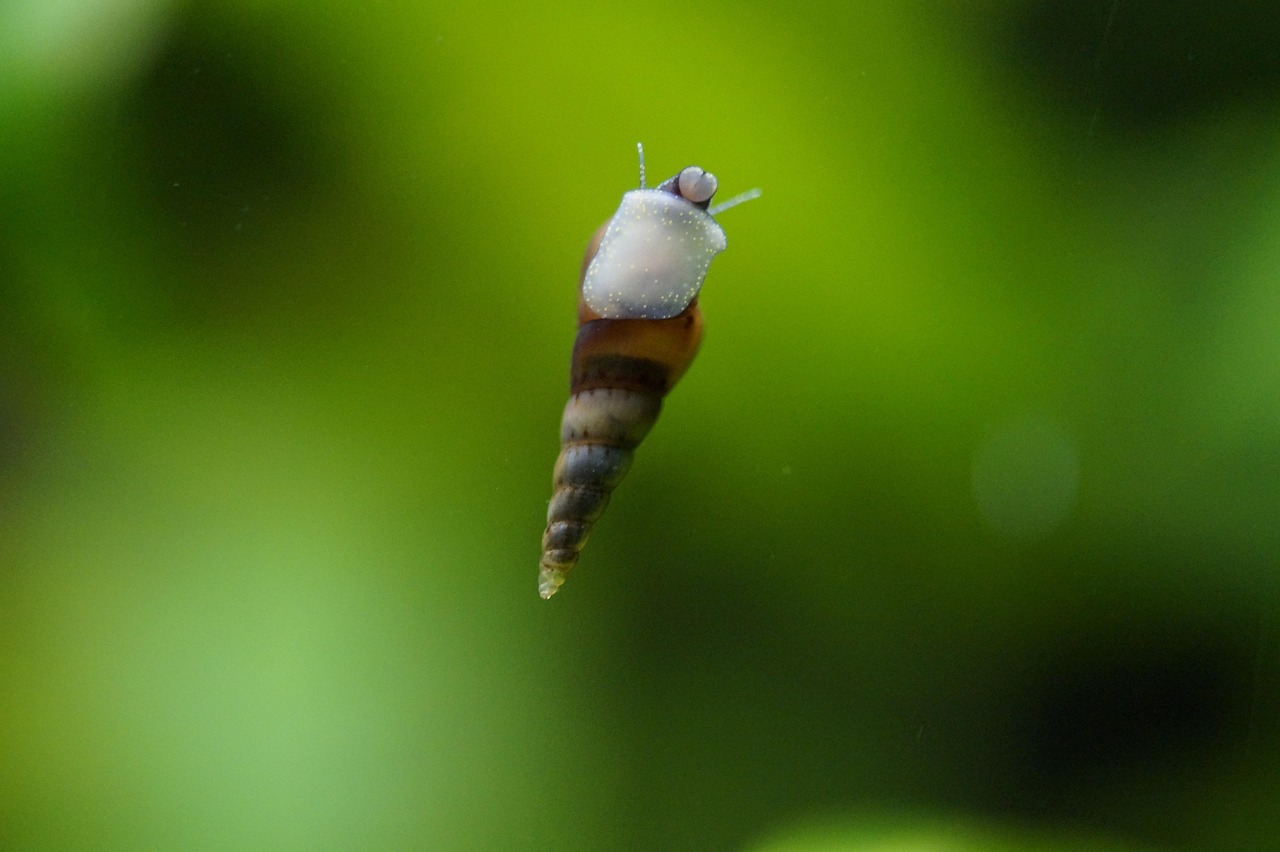
With a smooth, creamy ivory shell and a pale foot that glides gracefully across plant leaves and glass, the White Wizard Snail has become one of the most sought-after freshwater snails in the planted tank community. This white wizard snail care guide from Gensou Aquascaping at 5 Everton Park, Singapore, covers habitat needs, feeding, shell maintenance, and breeding for this elegant gastropod. Their peaceful nature and manageable size make them ideal companions for shrimp tanks and aquascapes alike.
Species Identification
White Wizard Snails are a selectively bred colour variant of Filopaludina martensi, a freshwater viviparous snail native to Southeast Asia. Adults reach 3-5 cm in shell height, with a classic conical spiral shape. The shell ranges from pure white to pale cream, while the body (foot and mantle) is light grey to white — distinguishing them from similar-looking ivory mystery snails. Their operculum (trapdoor) is a useful identification feature: a tight-fitting, concentric disc that seals the shell opening completely when the snail retracts.
Tank Setup
A 20-litre tank comfortably houses two to three White Wizard Snails, though they do well in larger community setups. Provide a substrate of fine sand or smooth gravel — rough substrates can scratch the pale shell over time. Include driftwood, stones, and live plants for grazing surfaces. These snails are plant-safe; they consume biofilm and algae on leaves but do not eat healthy plant tissue. A fitted lid is essential, as they occasionally climb above the waterline and can escape through surprisingly small gaps.
Water Parameters and Shell Health
Calcium availability determines shell quality more than any other factor. Aim for pH 7.0-8.0, GH 8-15, and KH 4-10. Singapore’s soft tap water (GH 2-4) needs supplementation — add crushed coral to the filter, use a mineral-rich substrate additive, or dose liquid calcium. Without adequate calcium, shells develop thin spots, pitting, and erosion that compromise the snail’s health and appearance. Temperature should sit between 24-28°C, comfortably within our ambient range. Avoid acidic water below pH 6.5, which dissolves calcium carbonate from the shell surface.
Diet and Feeding
White Wizard Snails are omnivorous scavengers. They graze continuously on biofilm, soft algae, and decomposing organic matter. Supplement with blanched vegetables — zucchini, cucumber, and spinach are readily accepted. Sinking algae wafers and calcium-enriched snail-specific foods (available on Shopee from brands like Shrimp King) help maintain both nutrition and shell integrity. A cuttlebone wedged between decor provides a constant passive calcium source that snails rasp when they need it. Feed every two to three days if the tank has established biofilm; daily in new or very clean setups.
Behaviour
These snails are active grazers during both day and night, though they tend to be most mobile in the evening. They move methodically across every surface — glass, substrate, plant leaves, hardscape — consuming microscopic algae and detritus. Occasionally they rest motionless for a day or two, retracted into their shell. This is normal dormancy behaviour, not a sign of illness, provided water quality is good. If a snail remains closed for more than three days and smells foul when lifted to the water surface, it may have died — remove it immediately to prevent ammonia spikes.
Tankmates
White Wizard Snails coexist peacefully with virtually all community fish and invertebrates. They pair beautifully with Neocaridina and Caridina shrimp, small rasboras, tetras, and other snail species. Avoid known snail predators — pufferfish, assassin snails, and large loaches like clown loaches will target them. Bettas occasionally nip at snail antennae but rarely cause serious harm. In a shrimp-focused nano tank, a single White Wizard Snail adds visual contrast and helps with algae maintenance without competing for resources.
Breeding
Unlike egg-laying mystery snails, Filopaludina martensi is viviparous — females give birth to fully formed miniature snails rather than depositing egg clutches. Broods are small, typically one to five babies every few weeks, making population control far easier than with prolific pest snails. Males and females are difficult to sex externally. If you want to breed them, keep a group of four to five to improve the odds of having both sexes. Baby snails are miniature replicas of the adults and require no special care beyond adequate calcium and biofilm.
Sourcing and Pricing
White Wizard Snails have grown in popularity across Singapore’s aquascaping community. They are stocked by specialist invertebrate sellers on Carousell and Shopee, typically priced at $3-$8 each depending on size and shell quality. Inspect for shell erosion before purchasing — a snail with heavy pitting will never fully recover its smooth appearance. With proper calcium supplementation and stable water, a healthy white wizard snail can live three to four years, serving as both a functional cleaner and a quietly beautiful addition to your aquascape.
Related Reading



