
How to Breed Cherry Shrimp: From Colony to Colours
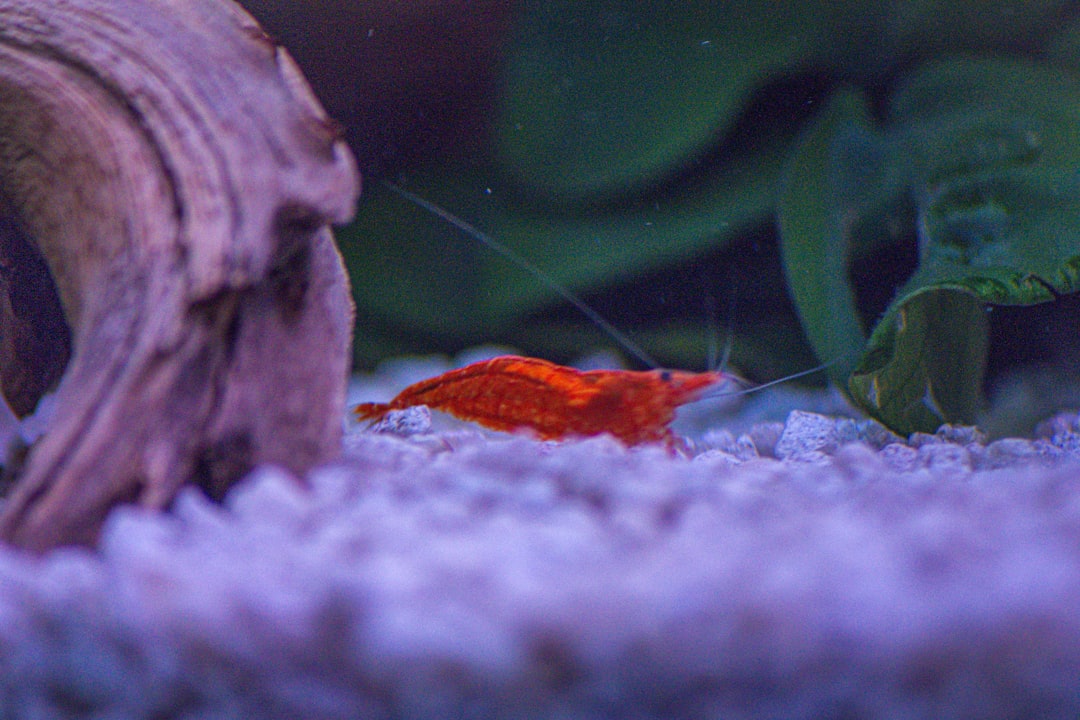
Cherry shrimp (Neocaridina davidi) are among the most rewarding aquarium inhabitants to breed. Given stable conditions and the absence of predators, they reproduce prolifically — a small starting colony of ten shrimp can grow into hundreds within six months. But cherry shrimp breeding is about more than just numbers. The real fascination lies in selectively breeding for colour intensity, working through the grading system from pale cherry to the coveted Painted Fire Red. This guide covers how to breed cherry shrimp successfully, from setting up the ideal breeding environment to culling strategies that improve your colony’s colour over time, with specific advice for Singapore aquarists.
The Cherry Shrimp Grading System
Cherry shrimp are graded based on the intensity and coverage of their red colouration. Understanding this system helps you set breeding goals and assess the quality of your colony:
| Grade | Colour Description | Coverage | Relative Price |
|---|---|---|---|
| Regular Cherry | Pale pink to light red | Partial, often translucent body with some red | Low |
| Sakura | Medium red | More solid colour, some translucent patches | Low – Medium |
| Fire Red | Solid, even red | Full body coverage, no translucent areas | Medium |
| Painted Fire Red | Deep, opaque red | Completely opaque, legs and underside also red | Medium – High |
Males are typically paler and smaller than females across all grades. Even in a high-grade colony, males may appear only Sakura-quality, while females display full Fire Red or Painted Fire Red colouration. This is normal and does not indicate poor genetics in the males.
For a broader overview of cherry shrimp husbandry, refer to our cherry shrimp care guide.
Breeding Tank Setup
Cherry shrimp breed in almost any well-maintained aquarium, but a dedicated breeding setup maximises success:
- Tank size: A 20 to 40-litre tank is ideal for a breeding colony. Larger tanks (60 litres or more) support bigger colonies but make it harder to catch specific shrimp for culling.
- Sponge filter: This is non-negotiable for a shrimp breeding tank. Sponge filters provide biological filtration without any risk of sucking in tiny shrimplets. They also develop biofilm on their surface, providing a constant food source. A double-sponge filter is particularly effective.
- Moss: Java moss is arguably the single most important element in a cherry shrimp breeding tank. Its dense structure harbours biofilm, provides hiding spots for shrimplets and creates a grazing surface. A generous portion of Java moss dramatically improves shrimplet survival rates.
- Plants: Additional plants like Java fern, Anubias and floating plants contribute to water quality and provide additional biofilm surfaces.
- Substrate: An active aquasoil is not necessary for Neocaridina shrimp (unlike Caridina species). Inert sand or fine gravel works perfectly well. Dark substrates make the shrimp’s red colour stand out more vividly.
- Indian almond leaves: These provide tannins, lower pH slightly and serve as a food source as they decompose. Shrimp love grazing on decomposing leaves.
- No predators: This is critical. The tank should contain only cherry shrimp and perhaps small snails. Even small, seemingly harmless fish can eat shrimplets. If you want maximum breeding success, keep the tank species-only.
Water Parameters for Breeding
Cherry shrimp are hardy, but stable water parameters are essential for consistent breeding:
| Parameter | Ideal Range | Notes |
|---|---|---|
| Temperature | 22 – 26 °C | Warmer water speeds breeding; cooler extends lifespan |
| pH | 6.5 – 7.5 | Neutral is ideal for Neocaridina |
| GH (General Hardness) | 6 – 12 dGH | Critical for shell and moult formation |
| KH (Carbonate Hardness) | 3 – 10 dKH | Provides pH stability |
| TDS (Total Dissolved Solids) | 150 – 300 ppm | A useful overall indicator |
| Ammonia / Nitrite | 0 ppm | Shrimp are sensitive to any ammonia or nitrite |
| Nitrate | Below 20 ppm | Lower is better for breeding |
Temperature and Breeding Rate
Temperature has a direct influence on cherry shrimp breeding frequency. At 24 to 26 degrees Celsius, females become berried (carrying eggs) more frequently and gestation is shorter. At cooler temperatures (20 to 22 degrees Celsius), breeding slows but individual shrimp tend to live longer. In Singapore, ambient water temperatures of 28 to 30 degrees Celsius are slightly above the ideal range. While shrimp will still breed at these temperatures, using a small fan to reduce water temperature by 2 to 3 degrees (bringing it to 26 to 28 degrees) can improve breeding consistency and reduce stress-related deaths.
Berried Females and Reproduction
Cherry shrimp reproduction follows a predictable cycle:
- Moulting triggers mating. When a sexually mature female moults (sheds her exoskeleton), she releases pheromones into the water that attract males. You may observe a “mating frenzy” where males swim frantically around the tank searching for the female.
- Mating. A male locates the newly moulted female and deposits sperm. The actual mating event is brief and often difficult to observe.
- Egg development. Within a few hours of mating, the female passes eggs from her ovaries (visible as a yellow or green “saddle” on her back) to her swimmerets (the small legs under her tail). She fans the eggs constantly to keep them oxygenated and free from fungus.
- Gestation. The berried female carries the eggs for approximately 28 to 35 days. The eggs gradually darken as the shrimplets develop, eventually showing tiny eyes visible through the egg shell.
- Hatching. Shrimplets hatch as miniature versions of the adults, approximately 2 millimetres long. They are immediately independent, requiring no parental care.
A healthy female can become berried again within days of releasing a batch of shrimplets, meaning she can produce a new generation roughly every five to six weeks.
Shrimplet Survival
In a well-set-up breeding tank without predators, shrimplet survival rates are naturally high — often 70 to 90 per cent or more. The key factors for survival are:
- No fish. Even small, peaceful fish will eat shrimplets opportunistically. A species-only tank is the single most important factor in shrimplet survival.
- Dense moss and plant cover. Shrimplets spend their first few weeks hiding among moss and plant surfaces, grazing on biofilm. Without this cover, they are more exposed and more stressed.
- Biofilm availability. Shrimplets are too small to eat standard shrimp food. They survive on biofilm — the microscopic layer of bacteria, algae and microorganisms that coats every surface in a mature tank. A mature tank with plenty of moss, driftwood and leaf litter has abundant biofilm.
- Stable water parameters. Sudden swings in temperature, pH or hardness can kill delicate shrimplets. Perform water changes gradually (no more than 10 to 15 per cent at a time) and ensure the replacement water is temperature-matched.
- Sponge filter. As mentioned, this prevents shrimplets from being drawn into the filtration system.
Feeding for Breeding Success
A well-fed colony breeds more consistently. Feed a varied diet:
- Biofilm (primary food source): In a mature, well-planted tank, biofilm provides the majority of cherry shrimp nutrition. This is why new tanks often struggle with shrimp breeding — they lack established biofilm.
- Commercial shrimp food: Quality pellets or wafers designed for shrimp (such as Shrimp King, Glasgarten or Borneowild products) provide balanced nutrition. Feed sparingly — a small pinch every other day for a colony of 20 to 30 shrimp.
- Blanched vegetables: Zucchini, spinach, kale and cucumber are eagerly consumed. Blanch briefly in boiling water, cool and drop a small piece into the tank. Remove any uneaten portion after 6 to 8 hours.
- Powdered fry food: For shrimplets, a dusting of powdered food (such as Bacter AE or similar biofilm-enhancing products) encourages biofilm growth and directly feeds tiny shrimp that cannot yet eat standard pellets.
- Decomposing leaves: Indian almond leaves, mulberry leaves and guava leaves provide both food and beneficial tannins as they break down.
- Snowflake food (soy husks): These develop a coating of beneficial bacteria as they soften in water, providing extended grazing for the colony.
Overfeeding is a common mistake. In a mature tank with biofilm, shrimp need surprisingly little supplemental food. Excess food fouls the water and promotes planaria and other unwanted organisms.
Colony Growth Rate
Under ideal conditions, a cherry shrimp colony grows exponentially:
- Starting colony of 10 shrimp (ideally 3 males, 7 females)
- Month 1-2: First berried females appear. First batch of shrimplets hatching.
- Month 3-4: Colony grows to 30 to 50 shrimp. Multiple females berried simultaneously.
- Month 5-6: Colony reaches 80 to 150 shrimp. First-generation shrimplets reaching breeding age.
- Month 8-12: Colony can exceed 200 to 300 shrimp. Population growth becomes exponential as multiple generations breed concurrently.
At this point, you will need to manage population density. Cherry shrimp can be sold, traded, given to friends or moved to additional tanks. A tank that becomes too densely populated may experience reduced breeding rates and increased stress.
Culling for Colour Improvement
If your goal is to improve the colour grade of your colony over time, selective culling is essential. “Culling” in the shrimp hobby simply means removing lower-grade individuals from the breeding colony — not euthanising them.
The Process
- Assess your colony regularly. Every few weeks, observe your shrimp and identify any individuals with pale, translucent or uneven colouration.
- Remove lower-grade shrimp. Transfer them to a separate “cull tank” — a low-maintenance tank where they can live happily without contributing to the breeding colony’s gene pool.
- Keep only the best. Retain the deepest, most evenly coloured females and the best males for breeding.
- Be consistent. Colour improvement happens gradually over multiple generations. Regular culling prevents lower-grade genetics from diluting your colony’s colour.
Tips for Effective Culling
- Cull females primarily, as they show colour most clearly. Males are harder to grade accurately.
- Wait until shrimp are at least two to three months old before assessing — juveniles may develop deeper colour as they mature.
- Dark substrate makes accurate colour assessment easier. Shrimp on light substrates appear paler than they actually are.
- Stress and moult cycles can temporarily affect colour. Assess shrimp when they are settled and relaxed for the most accurate grading.
Your cull tank shrimp are still perfectly healthy, attractive cherry shrimp — just not breeding-quality for your specific colour goals. They make excellent gifts, trades or sales within the hobbyist community.
GH, KH and Mineral Supplements
General hardness (GH) and carbonate hardness (KH) are particularly important for cherry shrimp because they directly affect moulting — the process by which shrimp shed and regrow their exoskeleton. Insufficient minerals lead to failed moults, which are a leading cause of death in cherry shrimp colonies.
- GH (6 to 12 dGH): GH measures calcium and magnesium, the minerals shrimp need to build their shells. Too low, and shrimp cannot moult successfully. Too high, and the shell becomes too rigid, also causing moulting difficulties.
- KH (3 to 10 dKH): KH buffers the pH, preventing dangerous swings. Cherry shrimp tolerate a wide KH range but benefit from moderate levels that keep pH stable.
- Mineral supplements: If your water is very soft (GH below 5), consider using a Neocaridina-specific remineraliser like SaltyShrimp GH/KH+ to bring mineral levels into the ideal range. Add the remineraliser to your water change water before adding it to the tank.
Singapore Water Suitability
Singapore’s PUB tap water is generally suitable for cherry shrimp breeding, but there are some important considerations:
- Chloramine: Singapore uses chloramine (not chlorine) to treat tap water. A quality water conditioner like Seachem Prime is essential to neutralise chloramine before adding tap water to your shrimp tank. Chloramine is particularly toxic to invertebrates.
- pH: PUB tap water typically measures pH 7 to 8, which is within the acceptable range for Neocaridina shrimp. No adjustment is usually necessary.
- GH and KH: Singapore tap water has moderate hardness that generally falls within the suitable range for cherry shrimp. Test your specific tap water with a GH/KH test kit to confirm. If GH is on the lower side (below 6 dGH), supplementation with a remineraliser is advisable.
- Temperature: As discussed, Singapore’s ambient water temperature (28 to 30 degrees Celsius) is slightly warm for cherry shrimp. A small clip-on fan reducing temperature by 2 to 3 degrees improves breeding consistency and overall colony health.
- Consistency is key: More important than exact parameters is consistency. Cherry shrimp adapt to a range of conditions but suffer when parameters fluctuate. Match your water change water to tank conditions as closely as possible.
Many successful cherry shrimp breeders in Singapore use straight tap water (after dechlorination) with excellent results. The key is stability and a mature, well-maintained tank.
Frequently Asked Questions
How long does it take for cherry shrimp eggs to hatch?
Cherry shrimp eggs take approximately 28 to 35 days to hatch after the female becomes berried. At warmer temperatures (26 to 28 degrees Celsius), gestation tends to be shorter (closer to 28 days). At cooler temperatures (22 to 24 degrees Celsius), it may extend to 35 days. The eggs progressively darken during development, and tiny eyes become visible within the eggs shortly before hatching.
Why did my berried shrimp drop her eggs?
Egg dropping is usually caused by stress — sudden water parameter changes, large water changes with temperature-mismatched water, poor water quality, aggressive tank mates or the female being a first-time mother. First-time mothers occasionally drop their initial clutch but typically carry subsequent batches successfully. To prevent egg dropping, maintain stable parameters, perform small and gentle water changes, and ensure the tank is free from stressors.
Can I breed cherry shrimp with fish in the tank?
You can, but shrimplet survival will be significantly lower. Even small, peaceful fish will eat tiny shrimplets opportunistically. In a heavily planted tank with abundant moss and hiding spots, some shrimplets will survive alongside very small fish like chili rasboras or Otocinclus. For maximum breeding success and colony growth, a species-only tank is strongly recommended.
How do I improve the colour of my cherry shrimp colony?
Colour improvement requires patience and consistent selective breeding. Remove lower-grade (paler, translucent) shrimp from the breeding colony regularly, keeping only the deepest, most evenly coloured individuals for breeding. Use a dark substrate to bring out colour. Feed a high-quality diet with foods rich in carotenoids (astaxanthin-containing shrimp foods, spirulina). Expect visible improvement over three to five generations — roughly six to twelve months of consistent culling and selective retention.
Ready to start or expand your cherry shrimp colony? Visit the Gensou shop at 5 Everton Park for quality cherry shrimp, mosses, plants and everything you need for a thriving breeding setup. Our team can also set up a complete custom shrimp aquarium tailored to your space. Contact us for expert advice on shrimp keeping and breeding in Singapore.
Related Reading



