
Flame Moss Care Guide: Upward Growth for Unique Aquascapes
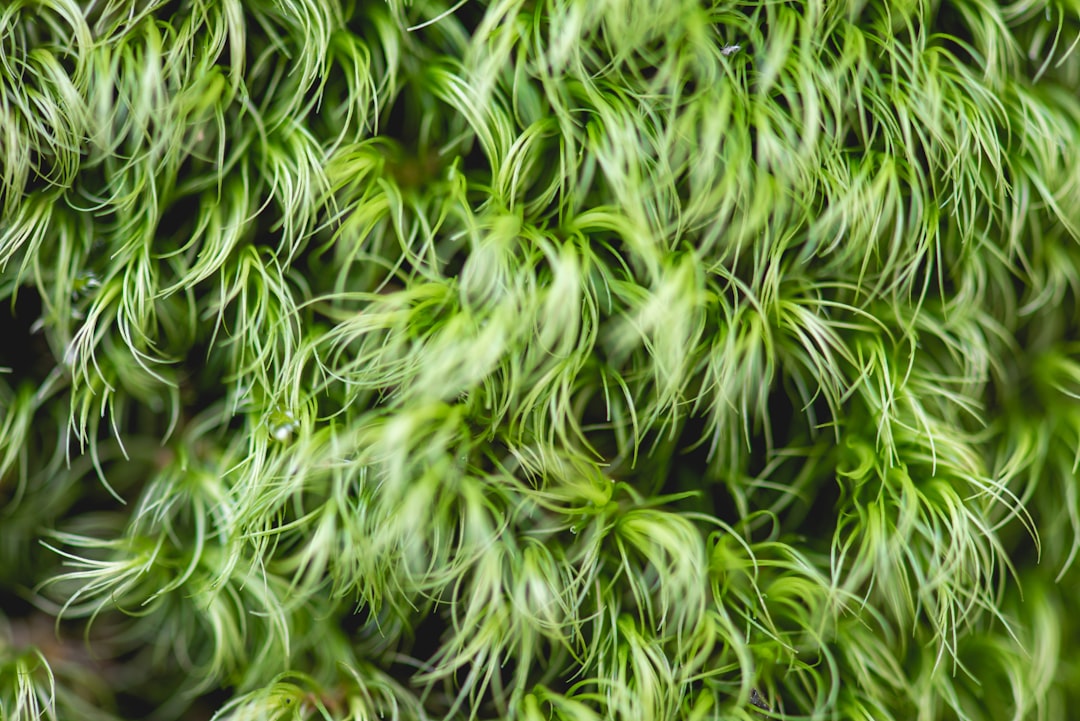
Table of Contents
- What Is Flame Moss?
- The Unique Upward Growth Habit
- Attaching Flame Moss to Hardscape
- Light and CO2 Requirements
- Growth Rate and Trimming
- Dramatic Aquascaping Applications
- Comparison With Other Aquarium Mosses
- Singapore-Specific Care
- Frequently Asked Questions
What Is Flame Moss?
Flame moss (Taxiphyllum sp. ‘Flame’) is an aquatic moss with a growth habit unlike any other moss commonly kept in aquariums. While most mosses grow outward and downward, draping over surfaces in a cascading or spreading fashion, flame moss grows vertically, its fronds reaching upward like the tongues of a green flame. This unique characteristic gives the plant its name and makes it one of the most visually distinctive mosses available to aquascapers. This guide sits inside our broader Planted Tank Complete Hub reference.
Originating from Southeast Asia, flame moss has been available in the aquarium trade for roughly two decades and has gained a dedicated following among aquascapers who appreciate its ability to create effects that no other moss can replicate. Its upward growth brings a sense of movement and energy to an aquascape, as though green fire is rising from the hardscape.
The Unique Upward Growth Habit
The defining feature of flame moss is its strongly upright, twisting growth pattern. Each frond grows vertically and twists slightly as it extends, creating a spiral, flame-like silhouette. A mature clump of flame moss looks like a cluster of green flames rising from the surface it is attached to, an effect that is genuinely striking in person.
This upward growth reaches a height of approximately three to eight centimetres depending on conditions. Under low light, the fronds tend to be shorter and tighter. Under medium to high light with CO2, they extend taller and more vigorously.
The growth habit is consistent regardless of the orientation of the surface the moss is attached to. Whether placed on horizontal driftwood, vertical rock faces, or even upside down on overhanging hardscape, flame moss grows upward toward the light. This predictable directionality makes it a powerful tool for aquascapers who want precise control over the visual flow of their layout.
Attaching Flame Moss to Hardscape
Flame moss attaches itself to hard surfaces through rhizoids, just like other aquatic mosses. During the initial establishment period, you need to secure it in place using one of the following methods.
Recommended Attachment Methods
| Method | Best For | Pros | Cons |
|---|---|---|---|
| Super glue (gel) | Vertical surfaces, precise placement | Instant hold, invisible when cured | Can damage moss if too much is applied |
| Cotton thread | Horizontal surfaces, driftwood | Gentle on moss, biodegrades | Visible initially, requires wrapping skill |
| Fishing line | High-flow areas, long-term security | Very secure, transparent | Does not biodegrade, remains visible |
Tips for Attaching to Vertical Surfaces
Flame moss is particularly effective on vertical surfaces, where its upward growth creates a striking visual. To attach moss to a vertical rock face or the side of a piece of driftwood:
- Apply small dots of gel super glue to the surface, spacing them two to three centimetres apart.
- Press thin portions of flame moss onto each glue dot, holding for 10 to 15 seconds.
- Work from the bottom up, so each new piece slightly overlaps the one below.
- Keep portions thin; thick clumps detach more easily and take longer to establish.
- Mist the moss with tank water after attachment to keep it hydrated.
Within three to four weeks, the moss begins to grow and the rhizoids grip the surface. Within two months, the attachment is typically strong enough that the moss will not detach even with moderate water flow.
Light and CO2 Requirements
Flame moss is not particularly demanding, but it does respond positively to better conditions.
- Light: Low to medium-high. Under low light, flame moss survives and grows slowly with shorter fronds. Under medium to high light, fronds grow taller and the characteristic flame shape becomes more pronounced. Very high light can promote algae growth on the moss surface, which is counterproductive.
- CO2: Helpful but not essential. CO2 injection noticeably accelerates growth and produces healthier, more vibrant fronds. Without CO2, the moss grows slowly but steadily, which can actually be an advantage if you want a low-maintenance setup.
- Nutrients: Flame moss absorbs nutrients from the water column. A basic liquid fertiliser dosed once or twice weekly supports healthy growth. It is not a heavy feeder and does not require specialised supplementation.
- Temperature: 18 to 28 degrees Celsius is the ideal range. The plant tolerates Singapore’s warmer ambient temperatures (28 to 32 degrees) but may grow slower and be more susceptible to algae issues at the upper end of this range.
Growth Rate and Trimming
Flame moss is a slow grower, one of the slower mosses commonly available in the hobby. This has both advantages and disadvantages. On the positive side, slow growth means less maintenance and trimming. On the negative side, it takes patience to establish a full, lush clump of flame moss, and replacing lost or damaged moss takes time.
Expect roughly two to three months for newly attached flame moss to establish and begin showing vigorous new growth. After this establishment period, growth is steady but unhurried.
Trimming Guidelines
- Trim every six to eight weeks, or when fronds exceed eight centimetres in height
- Cut horizontally across the top with sharp scissors, reducing height to three to four centimetres
- Do not trim too close to the base; leave enough foliage for photosynthesis
- Remove all trimmings from the tank to prevent unwanted moss growth elsewhere
- After trimming, the moss produces new growth from the cut ends, often branching and becoming denser
Trimming serves two purposes: it maintains the desired height and shape, and it stimulates branching that thickens the moss over time. Each trim-and-regrowth cycle produces a denser, more impressive flame effect.
Dramatic Aquascaping Applications
Flame moss’s unique growth direction opens up design possibilities that other mosses cannot achieve.
Volcanic or Fire Effects
Attach flame moss to dark volcanic rock (lava rock) to create the illusion of green flames rising from a miniature volcano. The dark, porous rock provides excellent grip for the moss, and the colour contrast between dark stone and bright green moss is visually powerful.
Vertical Driftwood Accents
Apply flame moss to the vertical sections of driftwood branches or trunks. The upward growth follows the natural vertical line of the wood, creating a cohesive look as though the moss is climbing the branch. This works exceptionally well on tall, spindly pieces of spider wood or manzanita.
Rock Face Coverage
Cover the face of a large rock or stone wall with flame moss to create a living, textured surface. The upward growth creates depth and shadow play that flat-growing mosses cannot replicate. In iwagumi layouts, a strategic patch of flame moss on the main stone adds an organic accent without overwhelming the minimalist aesthetic.
Foreground Interest
Small clumps of flame moss attached to pebbles and placed in the foreground create focal points with a unique visual rhythm. The vertical growth contrasts with horizontal carpeting plants, adding dimensional variety to the layout.
Comparison With Other Aquarium Mosses
Understanding how flame moss differs from other popular mosses helps you choose the right species for your aquascape. For a comprehensive comparison, visit our guide to aquarium moss types.
| Moss | Growth Direction | Growth Rate | Structure | Best Use |
|---|---|---|---|---|
| Flame moss | Upward (vertical) | Slow | Twisting, flame-like fronds | Vertical accents, fire/flame effects |
| Java moss | All directions (sprawling) | Fast | Random, tangled | General use, breeding tanks, gap filling |
| Christmas moss | Outward/downward | Moderate | Triangular, layered fronds | Moss trees, walls, structured accents |
| Weeping moss | Downward (drooping) | Moderate | Hanging, curtain-like | Overhanging ledges, willow tree effects |
| Peacock moss | Outward (flat) | Slow | Flat, fern-like fronds | Precise accents, competition scapes |
Each moss species has a distinct growth direction, and skilled aquascapers use this directionality intentionally. Flame moss goes up, weeping moss goes down, Christmas moss grows outward in structured layers, and Java moss goes everywhere. Combining multiple moss species in a single layout, each placed to take advantage of its natural growth direction, creates visual complexity that elevates an aquascape from good to exceptional.
Singapore-Specific Care
Flame moss grows adequately in Singapore’s warm conditions, though it is worth noting that it is more of a cool-water species at heart. In air-conditioned rooms where tank temperatures stay around 25 to 27 degrees, flame moss grows at its best. In non-air-conditioned HDB flats where ambient temperatures reach 30 to 32 degrees, growth slows and the risk of algae on the moss surface increases.
If you are keeping flame moss in a warm tank without cooling, take these precautions:
- Keep the photoperiod to seven to eight hours to limit algae growth
- Ensure good water circulation around the moss without directly blasting it with flow
- Add algae grazers such as Amano shrimp or Neocaridina shrimp
- Avoid overfeeding, which raises nutrient levels and fuels algae
PUB-treated tap water is fine for flame moss after dechlorination. Singapore’s soft, slightly acidic water is within the plant’s preferred range. Regular water changes (20 to 25 percent weekly) keep conditions stable and fresh, which mosses appreciate.
For HDB hobbyists, flame moss is particularly useful in nano tanks where every centimetre matters. A small piece of driftwood or rock with flame moss attached can serve as the sole plant in a desktop tank, providing a living, growing element that requires minimal space and maintenance.
Frequently Asked Questions
Why is my flame moss growing sideways instead of upward?
Flame moss always grows toward the light source. If your light is positioned to one side rather than directly above, the moss will lean in that direction. Ensure your light is centred over the tank for vertical growth. Also verify that you have genuine flame moss and not a mislabelled species. Unfortunately, moss identification errors are common in the aquarium trade, and what is sold as flame moss is sometimes a different species that does not share the upward growth habit.
How do I prevent algae from growing on flame moss?
Algae on moss is a common problem, especially in warm Singapore tanks. The best prevention is a combination of moderate (not excessive) light, consistent CO2 injection, good water circulation, and a clean-up crew of shrimp. Avoid nutrient excess by dosing fertiliser conservatively. If algae does establish on the moss, manually remove as much as possible during water changes and address the underlying cause (usually excess light or nutrients relative to CO2 levels).
Can I grow flame moss on the substrate as a carpet?
Flame moss does not make a good carpet plant because of its vertical growth habit. Instead of spreading horizontally across the substrate, it grows upward, leaving gaps between clumps. If you want a moss carpet, Christmas moss or Java moss attached to mesh is a better choice. Use flame moss for vertical accents where its unique upward growth is an asset, not a limitation.
How do I propagate flame moss?
Simply divide an existing clump into smaller portions and attach each portion to a new surface. Each piece, even a small one, will eventually grow into a full clump given time. You can also use the trimmings from regular maintenance as propagation material. Press trimmings onto a new surface with super glue, and they will establish within three to four weeks.
Add Flame Moss to Your Aquascape
Flame moss is a statement plant that brings a unique visual dynamic to any aquarium layout. Its upward growth creates effects that no other moss can replicate, making it an invaluable tool for creative aquascapers. Visit Gensou at 5 Everton Park, Singapore to source healthy flame moss and discuss placement strategies with our team. With over 20 years of aquascaping experience, we can help you incorporate this distinctive moss into a layout that truly stands out. Explore our comparison of aquarium moss types to find the right combination of mosses for your design, or read our Christmas moss care guide for an alternative with structured, outward growth.
Related Reading



