
Fire Red Shrimp Care Guide: The Brightest Neocaridina
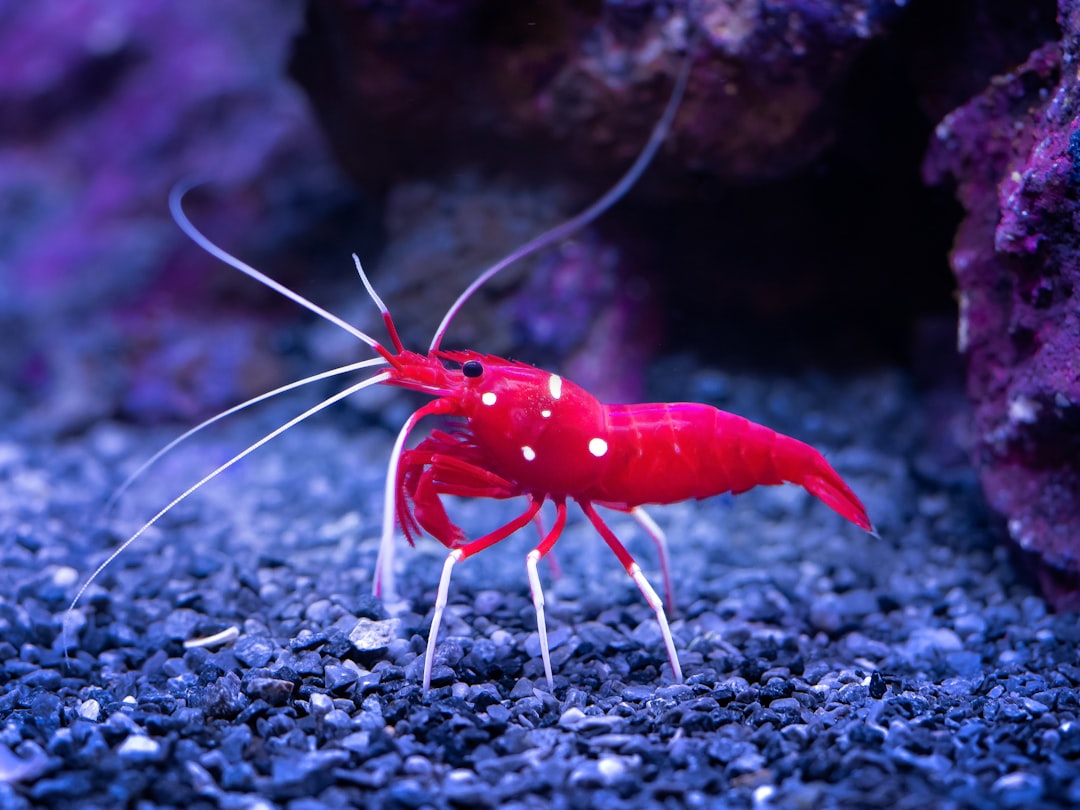
Table of Contents
- Introduction to Fire Red Shrimp
- Grading: Where Fire Reds Sit
- Tank Setup for Singapore
- Water Parameters
- GH and Moulting: The Critical Connection
- Feeding for Colour
- Breeding for Colour Retention
- Pricing vs Lower Grades
- Frequently Asked Questions
Introduction to Fire Red Shrimp
The fire red shrimp represents the pinnacle of red Neocaridina breeding. While cherry shrimp come in a range of red intensities, fire reds are the top tier — a solid, opaque, pillar-box red that covers every millimetre of the body, including the legs, swimmerets and rostrum. There is no translucency, no pale patches, no compromise. Just saturated, vivid red. This guide sits inside our broader Tropical Fish Species Master Index reference.
Genetically, fire reds are the same species as every other cherry shrimp: Neocaridina davidi. What separates them is generations of careful selective breeding that has concentrated the red pigmentation genes to their maximum expression. For Singapore hobbyists who want the most visually impactful Neocaridina, fire reds are the answer.
At Gensou, with over 20 years of aquascaping in Singapore, we have bred fire red colonies and helped countless clients set up shrimp tanks that maintain high-grade colour. Here is how to do it right.
Grading: Where Fire Reds Sit
Understanding the red Neocaridina grading scale puts fire reds in context and helps you know what you are paying for.
| Grade | Appearance | Leg Colour | Price Range (SG) |
|---|---|---|---|
| Cherry (lowest grade) | Mostly translucent with red spots/patches | Clear | $0.50 – $1 each |
| Sakura | More red coverage, some translucency remains | Clear to light red | $1 – $2 each |
| High Sakura / Fire Red | Nearly solid red, minimal translucency | Red | $2 – $4 each |
| Painted Fire Red | Completely solid opaque red, zero translucency | Solid red including all legs | $4 – $8 each |
| Bloody Mary | Deep wine-red, colour appears to come from within the tissue | Deep red | $5 – $10+ each |
Fire red shrimp occupy the high sakura to painted fire red range. The distinction between “fire red” and “painted fire red” can be subjective and varies between sellers. The key indicator of top-grade fire reds is solid red legs — this is the last area to develop full colour and the clearest sign of a high-quality specimen.
For the complete breakdown of grading across all Neocaridina colours, see our cherry shrimp grading guide.
Tank Setup for Singapore
Tank Size
Fire red shrimp thrive in tanks from 10 litres upward. A 20 to 45-litre nano tank is the sweet spot for most Singapore hobbyists — large enough for a stable colony, small enough to fit on a desk or shelf in an HDB flat. Larger tanks (60 to 100 litres) accommodate bigger colonies and provide more stable parameters.
Substrate
Dark substrates maximise the visual impact of fire red shrimp. Black aqua soil, dark gravel or black sand creates a dramatic contrast that makes the red colouration pop. Light-coloured substrates wash out the shrimp’s appearance, making them look less vibrant than they actually are.
Plants
Dense planting benefits fire red shrimp in every way. Recommended choices include:
- Mosses: Java moss, Christmas moss, flame moss (essential for shrimplet survival and biofilm)
- Epiphytes: Anubias petite, Bucephalandra, Java fern (broad leaves for grazing)
- Stem plants: Rotala, Ludwigia (green backgrounds that complement red shrimp)
- Floating plants: Salvinia, duckweed (shade and biofilm surfaces)
Filtration
A sponge filter remains the safest choice for shrimp tanks. It cannot trap shrimplets, provides excellent biological filtration and creates gentle water movement. For larger tanks, a hang-on-back or small canister filter with a pre-filter sponge on the intake works well. Ensure the pre-filter sponge mesh is fine enough to prevent even newborn shrimplets from being drawn in.
Water Parameters
| Parameter | Ideal Range | Notes for Singapore |
|---|---|---|
| Temperature | 22 – 28 °C | Use clip-on fan to cool from SG ambient |
| pH | 6.5 – 7.5 | SG tap water suitable after treatment |
| GH | 6 – 12 dGH | Critical for moulting; test and supplement |
| KH | 3 – 8 dKH | Provides pH buffering stability |
| TDS | 150 – 250 ppm | Monitor regularly |
| Ammonia / Nitrite | 0 ppm | Fully cycle tank before adding shrimp |
| Nitrate | Below 20 ppm | Weekly 10 – 20% water changes |
Singapore’s PUB tap water must be treated to remove chloramine before every water change. Use a water conditioner that specifically neutralises chloramine (not just chlorine). Match the temperature of replacement water to the tank to avoid shocking moulting shrimp. Small, frequent water changes (10 to 15 per cent twice weekly) are safer than large, infrequent ones.
GH and Moulting: The Critical Connection
General hardness (GH) is the single most important parameter for shrimp health, and it is the one that Singapore hobbyists most commonly get wrong. GH measures dissolved calcium and magnesium — the minerals shrimp need to build their exoskeletons.
Why GH Matters
Shrimp moult (shed their exoskeleton) regularly as they grow. Each moult requires the shrimp to build an entirely new shell from minerals dissolved in the water. If GH is too low, the new shell forms poorly, leading to:
- Failed moults: The shrimp cannot fully shed the old exoskeleton and dies trapped inside it
- Soft shells: The new exoskeleton is thin and fragile, leaving the shrimp vulnerable
- The white ring of death: A white band appears behind the head where the old shell has partially separated but cannot fully release — usually fatal
If GH is too high, moults become difficult because the old shell is excessively rigid and hard to shed.
Managing GH in Singapore
Singapore’s tap water GH varies but typically falls within an acceptable range for Neocaridina. However, if you are using RO (reverse osmosis) or rain water for top-ups, or if your tap water is particularly soft, you may need to supplement.
- Test regularly: Use a GH test kit (liquid drop tests are more accurate than strips)
- Supplement if needed: SaltyShrimp GH/KH+ or similar products remineralise soft water to the correct levels
- Cuttlebone: A small piece of cuttlebone in the tank slowly releases calcium, providing a gentle GH boost and a surface shrimp love to graze on
- Consistency: Stable GH matters more than hitting an exact number. Sudden swings in either direction trigger problematic moults
Feeding for Colour
Diet directly influences colour intensity in fire red shrimp. While genetics determine the potential for colour, nutrition determines how fully that potential is expressed.
- Colour-enhancing foods: Pellets containing astaxanthin, spirulina and paprika extract boost red pigmentation. Brands like Glasgarten, Shrimp King and Borneo Wild offer colour-specific formulations.
- Vegetable matter: Blanched spinach, kale and nettle leaves provide carotenoids that support red colouration
- Protein: Snowflake food (soya hulls), dried mulberry leaves, bee pollen
- Mineral foods: Mineral-enriched supplements support moulting and shell quality
- Biofilm: Indian almond leaves, banana leaves and driftwood surfaces grow biofilm that shrimp graze continuously
Feed sparingly. In a mature planted tank, biofilm provides the majority of a shrimp colony’s nutrition. Supplemental feeding every one to two days is sufficient. Overfeeding fouls the water and encourages planaria — both serious problems in Singapore’s warm conditions where decomposition is rapid.
Breeding for Colour Retention
Breeding fire red shrimp is easy. Breeding fire red shrimp that stay fire red across generations requires discipline.
The Regression Problem
Without selective pressure, Neocaridina colonies tend to regress towards wild-type colouration over generations. Fire red parents can produce offspring ranging from painted fire red to low-grade cherry, particularly if the breeding stock contains hidden genetic variation. Over five to ten generations without culling, a fire red colony can deteriorate into a mix of mostly lower-grade shrimp.
Culling Programme
Culling does not mean killing. It means separating lower-grade shrimp from the breeding colony. Maintain two tanks:
- Breeding colony: Only the highest-grade fire reds remain here. Select for solid, opaque red covering the entire body including legs.
- Cull tank: Lower-grade offspring are moved here. They make perfectly healthy, attractive pets — they are simply not breeding-quality fire reds.
Review your colony monthly. Remove any shrimp that show translucency, pale patches or clear legs. Be ruthless in the breeding colony and generous in the cull tank. Many Singapore hobbyists sell or trade their culls at local meets and online forums.
Genetic Refreshment
Inbreeding within a closed colony eventually leads to reduced vigour, smaller clutch sizes and weaker offspring. Every 6 to 12 months, introduce a few unrelated high-grade fire reds from a different source. This maintains genetic diversity without diluting colour quality. For more on breeding strategies, see our cherry shrimp breeding guide.
Pricing vs Lower Grades
Fire red shrimp cost more than standard cherry shrimp, and understanding why helps you make an informed purchasing decision.
| Grade | Typical SG Price | Cost for Starter Colony (10 shrimp) | Value Assessment |
|---|---|---|---|
| Cherry (low grade) | $0.50 – $1 | $5 – $10 | Best value for beginners; upgrade colour through selective breeding over time |
| Sakura | $1 – $2 | $10 – $20 | Good balance of colour and price |
| Fire Red | $3 – $5 | $30 – $50 | Premium colour; worth it if you will maintain through culling |
| Painted Fire Red | $5 – $8 | $50 – $80 | Show quality; only worthwhile with a disciplined breeding programme |
The premium for fire reds reflects the breeder’s investment in generations of selective breeding. However, buying fire reds without maintaining a culling programme is a waste of that premium — within a few generations, you will have a colony indistinguishable from one started with cheaper stock.
Our honest advice: if you are willing to cull and breed selectively, fire reds are worth the investment. If you want a low-maintenance colony where every shrimp stays regardless of colour, start with sakura grade and enjoy whatever colour develops naturally.
Frequently Asked Questions
What is the difference between fire red and painted fire red shrimp?
The terms are sometimes used interchangeably, but properly, “painted fire red” denotes a higher grade than standard “fire red.” Painted fire reds have completely opaque red colouration with absolutely no translucency, including solid red legs, swimmerets and rostrum. Standard fire reds are very red but may show slight translucency in the legs or underbelly. In Singapore shops, labelling varies by seller, so always inspect the actual shrimp rather than relying on the label alone.
How long does it take fire red shrimp to breed?
In Singapore’s warm conditions, fire red shrimp reach sexual maturity at approximately three to four months. A berried female carries eggs for 28 to 35 days. In an established colony with stable parameters, you will see berried females continuously. From a starter colony of 10, expect a thriving population within three to six months. Our aquarium maintenance services can help optimise conditions for breeding.
Can I improve the colour of lower-grade cherry shrimp to fire red quality?
Not within a single generation, but yes over time through selective breeding. Start with the reddest stock you can afford, cull lower-grade offspring consistently, and over five to ten generations you can significantly improve the overall colour quality of your colony. Diet, substrate colour and lighting also influence how vividly the red appears, but genetics ultimately determine the ceiling.
Do fire red shrimp need different water parameters than regular cherry shrimp?
No. Fire red shrimp are genetically identical to all other red Neocaridina — they are the same species. Water parameters, temperature tolerance, feeding requirements and general care are exactly the same across all grades. The only difference is the need for selective breeding to maintain the colour investment.
Build Your Fire Red Colony
Fire red shrimp offer the most intense, vivid red available in the Neocaridina family. Against a dark substrate in a lush planted tank, they are genuinely breathtaking. The keeping is easy; the breeding is straightforward; the colour maintenance requires commitment. If you are willing to cull and select, the rewards are outstanding.
Visit us at Gensou, 5 Everton Park, Singapore to see fire red shrimp in our planted displays and discuss setting up your own breeding colony. With over two decades of aquascaping experience in Singapore, we will help you start with quality stock and maintain it for generations to come.
Related Reading
- Fire Red Cherry Shrimp Selective Breeding: From Sakura to Painted
- Painted Fire Red Shrimp Care Guide: The Highest Grade Neocaridina
- Crystal Red Shrimp Grading Guide: SSS to C Grade Explained
- Red Cherry Shrimp vs Crystal Red Shrimp: Beginner vs Advanced
- High-Grade Red Crystal Shrimp Care Guide: SSS and Beyond



