
African Dwarf Frog Care Guide: Aquatic Frogs for Your Tank
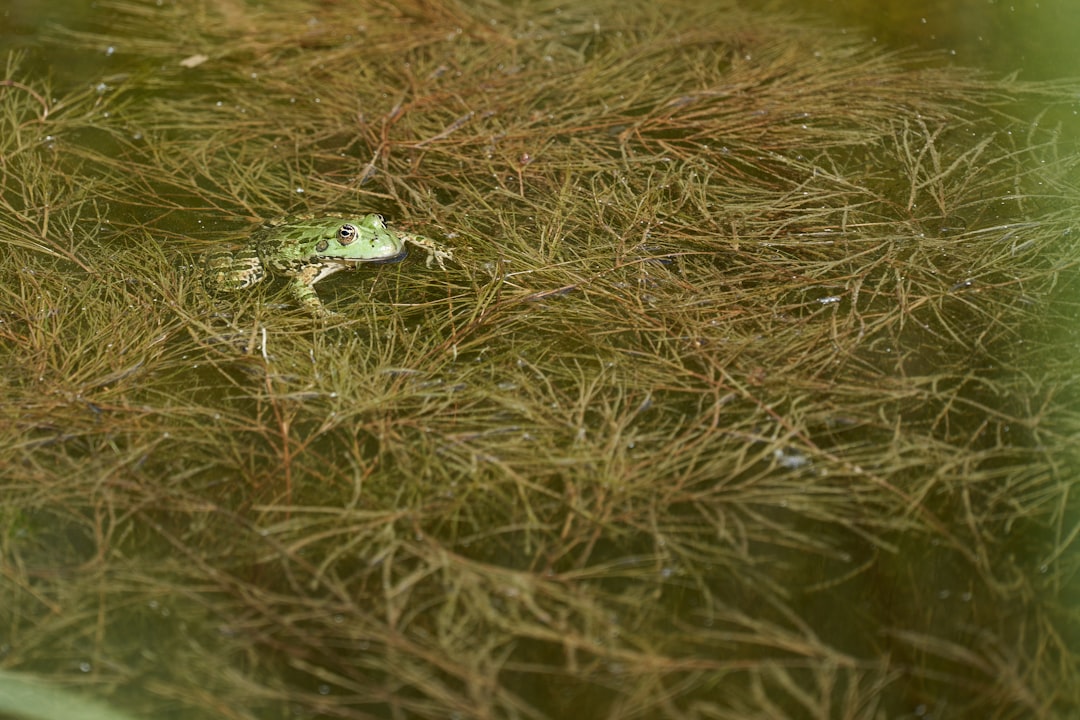
African dwarf frogs are one of the most charming oddball additions to a community aquarium. Fully aquatic, tiny and surprisingly social, these little frogs spend their entire lives underwater — surfacing only briefly to gulp air before diving back down. Their clumsy feeding, comical “zen pose” (floating motionless at the surface with limbs outstretched) and the males’ nighttime humming make them endlessly entertaining.
This african dwarf frog care guide covers everything you need to keep these delightful amphibians thriving in Singapore’s warm climate, from tank setup and feeding to choosing the right tank mates.
About African Dwarf Frogs
African dwarf frogs (Hymenochirus boettgeri) originate from the shallow, slow-moving rivers and ponds of Central Africa, including the Congo basin. They are fully aquatic — unlike many frogs, they never leave the water. They do, however, breathe air using lungs, surfacing every few minutes to take a breath at the surface.
Adults reach a maximum size of 4–5 cm, making them one of the smallest aquarium inhabitants available. They are peaceful, social creatures that do best in small groups of three or more. With proper care, they live 5–8 years.
African Dwarf Frog vs African Clawed Frog
This is a critical distinction that catches many beginners off guard. The two species look similar as juveniles but are vastly different as adults.
| Feature | African Dwarf Frog | African Clawed Frog |
|---|---|---|
| Scientific name | Hymenochirus boettgeri | Xenopus laevis |
| Adult size | 4–5 cm | 10–15 cm |
| Front feet | Webbed | Not webbed (individual fingers) |
| Eyes | On the sides of the head | On top of the head |
| Body shape | Slender | Flat, wide |
| Temperament | Peaceful | Predatory (eats small fish) |
Always check the front feet. Webbed front feet mean dwarf frog. Individual fingers mean clawed frog. Mislabelling is common in fish shops — a clawed frog sold as a dwarf frog will quickly outgrow the tank and devour its tank mates.
Tank Setup
African dwarf frogs do not need large tanks. A group of three to four frogs can thrive in a 40-litre tank. However, water depth is more important than volume — these frogs are weak swimmers and must reach the surface to breathe.
Key Requirements
- Water depth: maximum 30 cm — deeper tanks make breathing difficult
- Lid: essential — frogs will climb out and desiccate
- Surface access: no floating plants so dense they block the surface
- Substrate: fine sand or smooth gravel (frogs forage on the bottom)
- Hiding spots: coconut caves, PVC tubes, driftwood hollows
- Plants: live plants like Anubias, Java fern and Java moss provide cover and enrichment
- Filtration: gentle flow — a sponge filter is ideal (strong currents exhaust these weak swimmers)
Water Parameters for Singapore
African dwarf frogs prefer warm water, making them an excellent fit for Singapore’s climate. Ambient room temperatures of 28–30°C fall within their ideal range, so a heater is typically unnecessary.
| Parameter | Ideal Range |
|---|---|
| Temperature | 24–28°C (SG ambient is fine) |
| pH | 6.5–7.5 |
| Ammonia / Nitrite | 0 ppm |
| Nitrate | Below 20 ppm |
| GH | 5–15 dGH |
Treat PUB tap water with a chloramine-neutralising conditioner before every water change. Amphibians are particularly sensitive to chloramine and heavy metals. Perform 20–25% water changes weekly.
Feeding
Feeding is the biggest challenge with African dwarf frogs. They have extremely poor eyesight and rely on scent and vibration to locate food. In a community tank, faster-sighted fish will eat everything before the frogs find it.
Recommended Foods
- Frozen bloodworms — the ultimate favourite; thaw and target-feed
- Frozen brine shrimp — good variety, easy to source in SG
- Sinking frog pellets — Hikari Sinking Wafers or similar; drop directly in front of the frog
- Frozen daphnia — occasional treat
- Live blackworms — excellent but harder to source
Target Feeding
Use a turkey baster, pipette or feeding dish to place food directly in front of the frogs. Without target feeding, dwarf frogs in community tanks will slowly starve. A small terracotta dish on the substrate gives them a consistent feeding station to learn.
Feed once daily or every other day. Offer only what they can consume in 10–15 minutes — these frogs eat slowly.
Tank Mates
African dwarf frogs are peaceful and vulnerable. Tank mates must be non-aggressive and small enough not to eat the frogs, yet not so competitive at feeding time that the frogs starve.
Good Tank Mates
- Ember tetras, neon tetras, cardinal tetras
- Corydoras catfish (small species)
- Otocinclus catfish
- Nerite snails, mystery snails
- Cherry shrimp (though frogs may eat baby shrimp)
Avoid
- Bettas (may nip at frog limbs)
- Cichlids of any kind (too aggressive)
- Large or fast-feeding fish that outcompete for food
- Crayfish (will catch and eat frogs)
Behaviour and Quirks
The Zen Pose
New keepers often panic when they find their frog floating motionless at the surface with all four limbs spread out like a starfish. This is completely normal — it is simply the frog resting at the surface. They can hold this position for minutes.
Singing Males
Male African dwarf frogs produce a distinctive buzzing or humming sound, particularly at night. This is a mating call. While charming in small numbers, a large group of singing males can be surprisingly loud. Consider tank placement if you are a light sleeper.
Shedding
Dwarf frogs regularly shed their skin and eat it. You may notice the frog contorting and pulling at its own skin — this is normal and healthy. The shed skin provides nutrients.
Health Concerns
Dropsy (Bloat)
The most serious condition in dwarf frogs. The frog swells dramatically with fluid, becoming balloon-like. Causes include bacterial infection, organ failure and poor water quality. Unfortunately, dropsy is often fatal by the time symptoms appear. Prevention through consistent water quality is far more effective than treatment.
Fungal Infections
White, cotton-like growth on the skin. Usually triggered by injuries or poor water quality. Treat with a frog-safe antifungal (avoid medications containing copper, which is toxic to amphibians).
Red Leg
A bacterial infection causing reddening of the legs and abdomen. Often linked to poor water quality. Requires prompt treatment with antibacterial medication and immediate water quality improvement.
Frequently Asked Questions
Can African dwarf frogs live out of water?
No. Despite being air-breathers, African dwarf frogs are fully aquatic and cannot survive out of water. They desiccate rapidly if they escape the tank. Always use a secure lid with no gaps — these small frogs are surprisingly good climbers, especially along filter tubing and silicone seams.
How many African dwarf frogs should I keep?
Keep a minimum of three. They are social animals and display more natural behaviour in groups. A 40-litre tank comfortably houses three to four frogs. Add roughly 10 litres per additional frog.
Do African dwarf frogs make noise?
Yes. Males produce a buzzing or humming call, most often at night during breeding attempts. It is audible from across a quiet room. Females are generally silent. If the noise concerns you, placing the tank away from the bedroom is advisable.
Can I keep African dwarf frogs with bettas?
It can work but is not ideal. Some bettas ignore the frogs entirely; others nip at their limbs. The bigger issue is feeding — bettas are aggressive feeders and will eat the frogs’ food before the slow-sighted frogs find it. If you attempt this combination, target-feed the frogs religiously.
If you are interested in other unusual aquarium residents, check out our medaka rice fish care guide for another easy-to-keep species that thrives in Singapore conditions.
Start Your Dwarf Frog Tank Today
African dwarf frogs are rewarding, low-maintenance pets that add personality to any small aquarium. If you need help setting up a suitable tank or sourcing healthy specimens, visit Gensou at 5 Everton Park or get in touch. Our team has over 20 years of experience helping Singapore hobbyists create thriving aquatic setups.
Related Reading



