
Rope Fish Care Guide: The Snake-Like Oddball
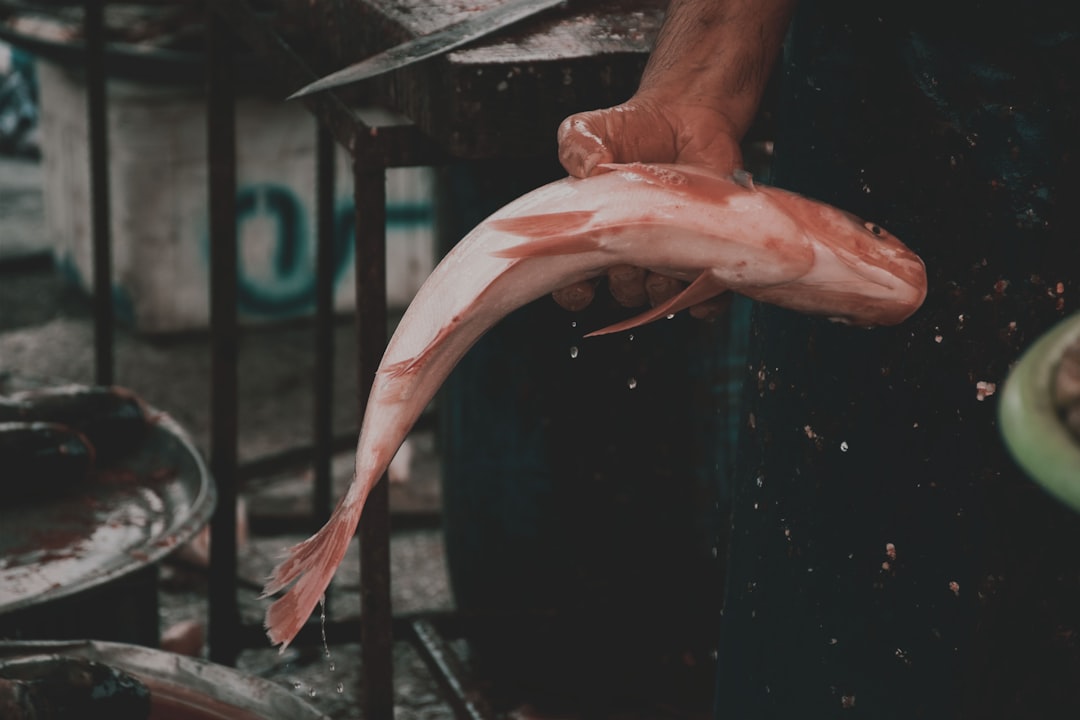
The rope fish (Erpetoichthys calabaricus) is one of the most unusual freshwater fish you can keep. With its elongated, snake-like body, primitive lungs and curious, almost puppy-like demeanour, the rope fish — also known as the reed fish or snake fish — occupies a unique niche in the aquarium hobby. It is ancient, fascinating and, for unprepared keepers, an accomplished escape artist.
This rope fish care guide covers everything from tank setup and escape-proofing to feeding strategies and compatible tank mates, with specific considerations for keeping them in Singapore.
About Rope Fish
Rope fish are members of the family Polypteridae (bichirs and reedfish), an ancient group of ray-finned fish that has existed for over 60 million years. They originate from the slow-moving rivers, swamps and floodplains of West and Central Africa, particularly Nigeria and Cameroon.
Their most notable features include:
- Elongated, eel-like body reaching 30–40 cm in captivity (up to 50 cm in exceptional cases)
- Primitive lungs — in addition to gills, rope fish possess modified swim bladders that function as lungs, allowing them to breathe atmospheric air
- Pectoral fins used for “walking” along the substrate
- Poor eyesight compensated by an excellent sense of smell
- Dorsal finlets — a series of small, flag-like fins along the back, rather than a single dorsal fin
Rope fish are nocturnal. During the day, they hide in caves, pipes and dense vegetation. At night, they emerge to hunt, gliding through the tank with a sinuous, snake-like motion that initially alarms guests unfamiliar with the species.
Tank Setup and Escape-Proofing
Tank Size
A single rope fish needs a minimum of 200 litres (approximately a 4-foot tank). For a group of three to four (rope fish are social and do best in groups), aim for 300 litres or more. The tank should be longer than it is tall — rope fish are bottom-dwellers and swimmers, not vertical explorers.
The Escape-Proofing Imperative
This cannot be overstated: rope fish are the premier escape artists of the freshwater aquarium world. They can squeeze through gaps you would not believe possible. Their flexible, snake-like body and ability to breathe air mean they will actively explore every potential exit.
You must seal:
- Every gap around filter intakes, outlets and tubing
- Cable entry points in the lid
- Gaps between the tank rim and lid
- Overflow holes and weirs
Use foam, mesh or cling wrap to block any opening larger than a few millimetres. If there is a way out, the rope fish will find it — usually at 3 am. Their lungs allow them to survive on land for surprising durations, but they dry out eventually and die. Check every morning that all rope fish are accounted for.
Substrate and Decor
- Sand substrate — essential; rope fish spend significant time on the bottom and rough gravel can abrade their skin
- PVC pipes and tubes — favourite hiding spots during the day
- Dense planting — provides cover and security; Java fern, Anubias and Vallisneria work well
- Driftwood — creates natural hiding places
- Dim lighting — rope fish are nocturnal and prefer subdued light
Water Parameters for Singapore
Rope fish prefer warm, slightly acidic to neutral water — a good match for Singapore conditions. The ambient temperature of 28–32°C works well, requiring no heater.
| Parameter | Ideal Range |
|---|---|
| Temperature | 24–30°C |
| pH | 6.0–7.5 |
| Ammonia / Nitrite | 0 ppm |
| Nitrate | Below 30 ppm |
| GH | 5–15 dGH |
Treat PUB tap water with a conditioner that neutralises chloramine. Rope fish have sensitive skin and are more susceptible to chemical irritation than scaled fish. Perform 20–30% water changes weekly.
Ensure the gap between the water surface and the lid allows access to air. Rope fish regularly surface to breathe, and restricting this access causes stress.
Feeding
Feeding rope fish is perhaps the biggest challenge for new keepers. These are carnivorous, nocturnal hunters that locate prey by scent, not sight. Many rope fish refuse dry pellets outright, at least initially.
Best Foods
- Frozen bloodworms — the most reliably accepted food; a good starting point for new rope fish
- Frozen prawns (chopped) — readily available at any SG wet market or supermarket
- Live earthworms — irresistible to most rope fish
- Frozen brine shrimp — accepted by most individuals
- Sinking carnivore pellets — some rope fish learn to accept them over time; soak first to soften
Feeding Strategy
- Feed after lights out — this is when rope fish actively hunt
- Use tongs or a feeding dish to place food directly near the fish
- In community tanks, feed tank mates first, then target-feed the rope fish separately after dark
- New rope fish may refuse food for several days to two weeks after introduction — this is normal; be patient
Feed every 1–2 days. Rope fish have slow metabolisms and overfeeding leads to obesity.
Tank Mates
Despite their predatory nature, rope fish are remarkably peaceful — toward fish too large to eat. The rule is simple: if it fits in the rope fish’s mouth, it will eventually be eaten. Anything smaller than about 4–5 cm is at risk.
Good Tank Mates
- Medium to large peaceful fish: angelfish, gouramis (pearl, moonlight), rainbowfish
- Other Polypteridae: Senegal bichirs, ornate bichirs (excellent companions)
- Larger tetras: Congo tetras, diamond tetras
- Catfish: bristlenose plecos, Synodontis catfish
- Other oddball fish: African butterfly fish (same biotope)
Avoid
- Small fish (neon tetras, guppies, endlers — will be eaten)
- Small shrimp (food, not friends)
- Aggressive cichlids (will harass the rope fish)
- Very fast, competitive feeders that outcompete the rope fish at mealtimes
Behaviour and Personality
Rope fish have more personality than their serpentine appearance might suggest. Keepers commonly report:
- Group behaviour — rope fish are social and often pile together in the same hiding spot, tangled like a nest of snakes
- Exploration — at night, they methodically investigate every corner of the tank
- Surface breathing — regular trips to the surface to gulp air, even in well-oxygenated tanks
- Hand-taming — with patience, rope fish can learn to accept food from your hand
- Sensitivity to disturbance — loud noises and sudden vibrations cause stress; place the tank in a calm location
Health Concerns
Skin Infections
Rope fish lack the thick scales of most fish, making them vulnerable to skin infections. Poor water quality, rough substrate and handling (such as netting) can cause abrasions that become infected. Always use a container, not a net, when moving rope fish.
Starvation
The most common cause of death in captive rope fish. In community tanks, faster-feeding fish consume all the food before the nocturnal, slow-moving rope fish get a chance. Dedicated after-dark feeding is essential. Monitor body condition — a healthy rope fish has a gently rounded body, not a pinched, thin profile.
Jumping Deaths
The second most common cause of death. Every rope fish keeper has a cautionary tale about finding their fish dried out behind the aquarium stand. Escape-proofing is not optional.
Frequently Asked Questions
Are rope fish venomous or dangerous?
No. Despite their snake-like appearance, rope fish are completely harmless. They have no venom, no significant teeth and no aggressive behaviour toward humans. They are among the most gentle predatory fish in the hobby.
How many rope fish should I keep?
Rope fish are social and do best in groups of three or more. A solitary rope fish tends to hide permanently and may refuse food. In a group, they are bolder, more active and more likely to feed confidently. Ensure the tank is large enough — at least 300 litres for a group.
Can rope fish live with bettas?
Generally not advisable. While neither species is likely to harm the other, their needs differ. Bettas prefer calm, shallow water and are active during the day; rope fish prefer deeper tanks and are nocturnal. In a large enough tank with proper setup, coexistence is possible but not ideal for either species.
Do rope fish need air access?
Yes. Rope fish must be able to reach the water surface to breathe air. Their lungs supplement gill breathing, especially in warm, low-oxygen water. Ensure floating plants do not completely block surface access, and leave an air gap between the water surface and the lid.
For more unusual aquarium residents, see our oscar fish care guide — another intelligent, personality-rich species that thrives in Singapore.
Set Up Your Rope Fish Tank
Rope fish are captivating oddballs that reward patient keepers with years of fascinating behaviour. If you need help with tank design, escape-proofing or sourcing healthy specimens, visit Gensou at 5 Everton Park or contact us. With over 20 years of aquarium expertise in Singapore, we know how to create setups that keep these remarkable fish safe and thriving.
Related Reading



