
Taiwan Bee Shrimp Guide: King Kong, Panda and Pinto Varieties
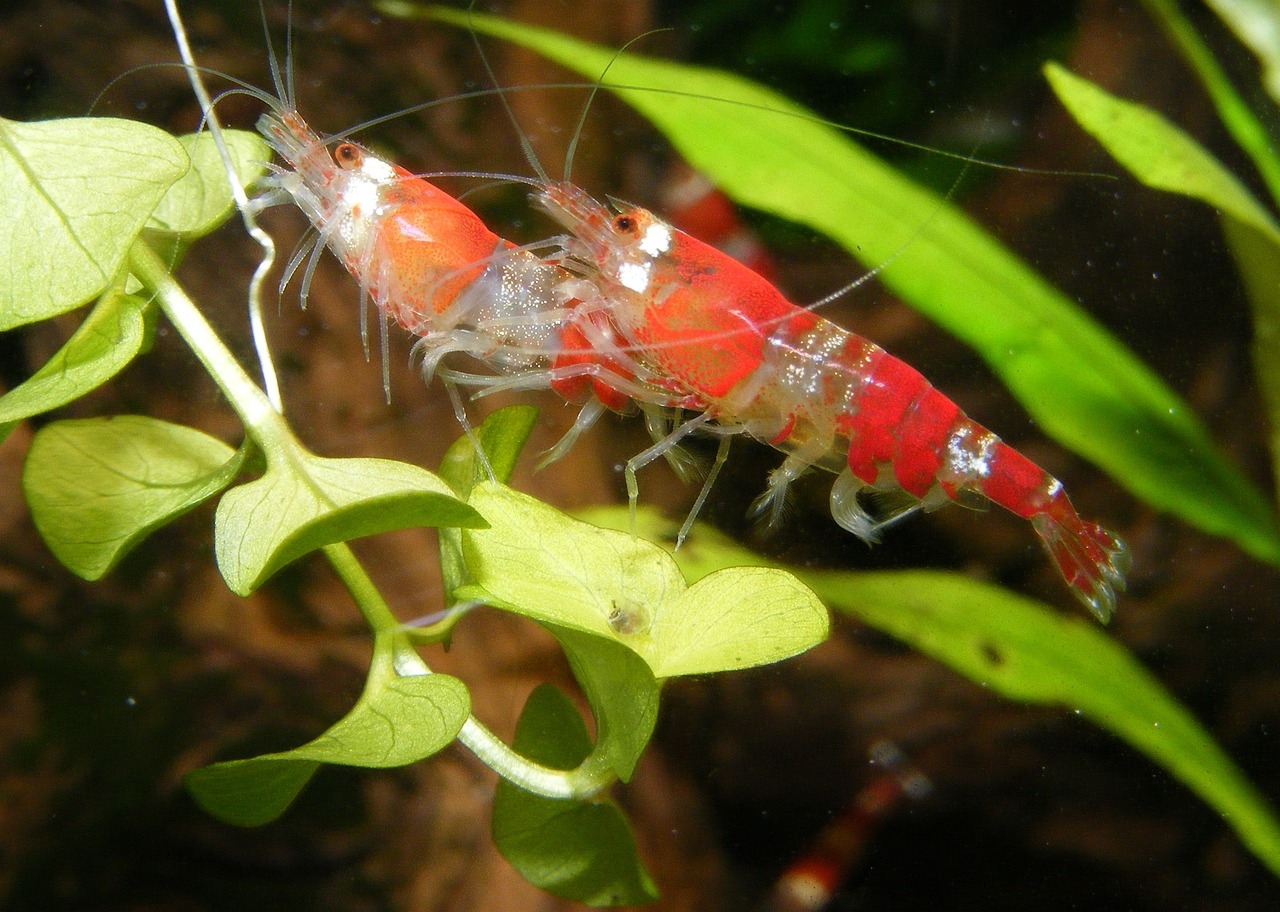
Taiwan Bee shrimp represent the pinnacle of freshwater shrimp keeping. These stunning Caridina variants command premium prices for good reason — their bold patterns, exacting care requirements and complex genetics make them a rewarding challenge for experienced hobbyists. This Taiwan Bee shrimp guide covers every variety, their water parameters, grading systems, breeding genetics and realistic costs in Singapore. This guide sits inside our broader Tropical Fish Species Master Index reference.
What Are Taiwan Bee Shrimp?
Taiwan Bee shrimp are selectively bred Caridina cantonensis variants that originated in Taiwan during the early 2000s. They emerged from Crystal Red and Crystal Black shrimp lines when breeders noticed spontaneous mutations producing dramatically different colour patterns — solid blacks, bold black-and-white combinations and striking spotted variants.
Unlike Neocaridina shrimp, Taiwan Bees are extremely demanding in their care requirements. They need soft, acidic water, active buffering substrate and stable temperatures well below Singapore’s ambient range. This makes them one of the most challenging — and most rewarding — shrimp to keep in our tropical climate.
Popular Taiwan Bee Varieties
King Kong Shrimp
The King Kong is perhaps the most iconic Taiwan Bee. It displays a full solid black body with no white or translucent patches. High-grade King Kongs appear jet black under any lighting. They were among the first Taiwan Bee mutations discovered and remain highly sought after. A perfectly graded King Kong with dense, opaque black colouration is a centrepiece shrimp.
Panda Shrimp
Panda shrimp feature bold black-and-white patterning reminiscent of their namesake. The ideal Panda has clean, sharply defined bands of solid black and pure white with no bleed-through or translucency. Grading focuses on the density and contrast between the two colours — higher grades show crisper boundaries.
Pinto Shrimp
Pintos display a spotted or splashed pattern where black (or red) colouration is distributed in irregular patches across a white body. Sub-varieties include Galaxy Pintos (fine spotted patterns resembling a starry sky), Zebra Pintos (striped patterns) and Fancy Pintos (complex multi-pattern combinations). Pintos are often crossed with other Taiwan Bee varieties to create new pattern combinations.
Red Wine Shrimp
Red Wine shrimp exhibit a deep, rich burgundy-red colouration that differs markedly from Crystal Red shrimp. The colour is denser and darker, often appearing wine-coloured under certain lighting. High-grade Red Wine shrimp show consistent, opaque coverage across the entire body.
Blue Bolt Shrimp
Blue Bolts are arguably the most visually striking Taiwan Bee variant. They display vivid sky-blue to deep blue colouration, often with a lighter head region. Their care requirements are identical to other Taiwan Bees, and they breed true when kept in a pure colony. For a detailed care guide, visit our Blue Bolt shrimp care guide.
Shadow Shrimp
Shadow shrimp (Shadow Panda, Shadow Mosura) feature darker, more muted tones compared to standard Taiwan Bees. They carry the Shadow gene, which deepens colours and can produce unique offspring when crossed with other varieties. Shadow Pandas, for instance, show a smoky grey-black with subtle white markings.
Grading System
Taiwan Bee grading focuses on colour density, pattern clarity and overall opacity. While grading standards vary between breeders, these general principles apply across varieties.
| Grade | Characteristics | Relative Value |
|---|---|---|
| SSS / Extreme | Perfect colour density, razor-sharp pattern boundaries, fully opaque | Highest |
| SS / High | Very dense colour, clean patterns, minimal translucency | High |
| S / Medium-High | Good colour with minor translucent patches, generally clean pattern | Moderate-High |
| A / Standard | Visible translucency, less defined patterns, thinner colour | Moderate |
| B / Low | Significant translucency, washed-out colour, unclear patterns | Low |
For patterned varieties like Pandas and Pintos, symmetry and the ratio of colour to white also affect grading. A symmetrical Panda with balanced black-and-white proportions grades higher than an asymmetric one.
Water Parameters
Taiwan Bee shrimp are extremely demanding regarding water quality. Unlike hardy Neocaridina species, they require very specific conditions and have minimal tolerance for fluctuations. For a broader overview of Caridina care, see our Caridina shrimp care guide.
| Parameter | Ideal Range | Notes |
|---|---|---|
| Temperature | 22–24 °C | Chiller essential in Singapore |
| pH | 5.4–6.2 | Maintained by active substrate |
| GH | 4–5 dGH | Remineralised RO water |
| KH | 0–1 dKH | Must be near zero |
| TDS | 100–120 ppm | From remineraliser only |
| Ammonia / Nitrite | 0 ppm | Any detectable level is lethal |
| Nitrate | <10 ppm | Keep as low as possible |
Why RO Water Is Non-Negotiable
Singapore’s PUB tap water contains chloramine (not just chlorine) and typically measures TDS 80–150 ppm, GH 3–4 dGH and KH 1–3 dKH. While this is manageable for Neocaridina, Taiwan Bees need pure RO water remineralised to precise specifications. Using tap water — even dechlorinated — introduces unpredictable mineral content and potential heavy metals that Taiwan Bees cannot tolerate.
Invest in a quality RO/DI unit and use a Caridina-specific remineraliser (such as SaltyShrimp GH+) to achieve the correct GH without raising KH.
Chiller Requirements
At Singapore’s ambient 28–32 °C, a chiller is absolutely essential. Taiwan Bees start showing stress above 26 °C, and sustained temperatures above 28 °C are often fatal. Budget for a quality chiller rated for your tank size — this is not optional equipment for Taiwan Bee keeping in our climate.
Tank Setup
A proper Taiwan Bee tank requires careful planning before you add a single shrimp.
- Tank size: Minimum 45 cm (roughly 35–40 litres). Larger tanks offer more stable parameters.
- Active substrate: Use buffering substrates like ADA Amazonia, SL-Aqua, or Brightwell Aquatics Rio Escuro. These lower and stabilise pH in the 5.4–6.2 range. Replace every 12–18 months as buffering capacity depletes.
- Filtration: Sponge filters are safest (no risk of trapping shrimplets). If using a canister or hang-on-back, fit an intake guard.
- Chiller: Sized appropriately for your tank volume and ambient room temperature.
- RO unit: A 3- or 4-stage RO system for water preparation.
- Plants: Low-demanding species like mosses, Bucephalandra and ferns. Avoid plants requiring heavy fertilisation that could affect water chemistry.
- Hiding spots: Cholla wood, ceramic tubes and dense moss provide essential cover, especially for moulting shrimp.
Cycle the tank for at least 6–8 weeks before adding Taiwan Bees. The substrate needs time to stabilise its buffering, and the biofilm colony that forms is an important food source for the shrimp.
Breeding and Genetics
Taiwan Bee genetics are fascinatingly complex. Understanding the basics helps you predict offspring outcomes and plan breeding projects.
Key Genetic Concepts
- Taiwan Bee gene: A recessive gene. Both parents must carry it for offspring to display Taiwan Bee phenotypes.
- Black vs Red: Black is dominant over red. Crossing a King Kong with a Red Wine produces black offspring carrying the red gene.
- Pinto gene: Creates the spotted/splashed pattern. Can be combined with other Taiwan Bee genes for complex patterns.
- Shadow gene: Modifies existing colours to appear darker and more muted.
Breeding Strategy
For consistent results, keep single-variety colonies. Mixing varieties produces offspring with unpredictable patterns, often reverting to lower-grade appearances. If you want to experiment with crossing, maintain separate breeding and colony tanks.
Taiwan Bees carry eggs for approximately 28–30 days. Clutch sizes are smaller than Neocaridina — typically 15–25 eggs. Survival rates depend heavily on water stability; even minor parameter swings during the berried period can cause females to drop eggs.
Cost in Singapore
Taiwan Bee pricing in Singapore varies enormously based on variety, grade and source. Here is a rough guide as of 2026.
| Variety | Grade | Price Range (SGD per shrimp) |
|---|---|---|
| King Kong | A–S | $15–$40 |
| King Kong | SS–SSS | $50–$150+ |
| Panda | A–S | $12–$35 |
| Panda | SS–SSS | $40–$120+ |
| Blue Bolt | A–S | $10–$30 |
| Blue Bolt | SS–SSS | $35–$100+ |
| Pinto (Galaxy/Zebra) | S–SS | $20–$60 |
| Red Wine | A–SS | $15–$50 |
| Shadow variants | S–SS | $20–$80 |
Prices from reputable local breeders tend to be higher than online marketplace listings, but you get healthier stock with known lineage. Budget $300–$600 for a starter colony of 10–15 shrimp in a desirable variety.
Why Taiwan Bee Shrimp Are Expensive
Several factors drive the premium pricing of Taiwan Bee shrimp:
- Small clutch sizes: Fewer offspring per breeding cycle compared to Neocaridina.
- Slow growth: Takes 4–6 months to reach sellable size.
- High mortality: Even experienced breeders lose a percentage of each batch.
- Equipment costs: Breeders must run chillers, RO units and active substrates across multiple tanks.
- Selective breeding: Only the best specimens are sold at premium grades; the rest are culled or sold cheaply.
- Genetic investment: Years of selective breeding to establish and stabilise new patterns.
Frequently Asked Questions
Can I keep Taiwan Bee shrimp without a chiller in Singapore?
No. Singapore’s ambient temperatures of 28–32 °C are dangerously high for Taiwan Bees, which need 22–24 °C. Air conditioning alone is unreliable unless the room is kept consistently cold 24/7. A dedicated aquarium chiller is the only practical solution for keeping these shrimp alive and healthy in our climate.
Can I mix Taiwan Bee varieties in one tank?
You can, but offspring will be unpredictable and generally lower grade over successive generations. If you are keeping Taiwan Bees for enjoyment rather than breeding projects, a mixed colony can be visually stunning. If you want to maintain or improve grades, keep varieties separate.
How long does it take to establish a breeding colony?
Expect 6–12 months from your first shrimp to a self-sustaining colony. The first few months involve stabilising the tank and acclimating the shrimp. Once breeding starts, population growth is slow but steady. Patience is essential — rushing the process by adding too many shrimp at once often results in losses.
Are Taiwan Bee shrimp suitable for beginners?
Taiwan Bees are firmly in the advanced category. If you are new to shrimp keeping, start with Neocaridina (cherry shrimp or similar), then progress to standard Caridina (Crystal Red/Black) before attempting Taiwan Bees. The experience you gain with easier species is invaluable.
Taiwan Bee shrimp are among the most beautiful freshwater invertebrates in the hobby, and keeping them successfully in Singapore is entirely achievable with the right equipment and dedication. If you need help setting up a Taiwan Bee tank or sourcing quality stock, visit Gensou at 5 Everton Park or get in touch — our team has over 20 years of experience with premium Caridina shrimp.
Related Reading
- Taiwan Bee Shrimp Care Guide: King Kong, Panda and Red Wine
- How to Aquascape a Taiwan Bee Shrimp Display Tank
- Amano Shrimp Breeding Challenges: Larval Stages and Saltwater Phase
- How to Breed Amano Shrimp: The Challenging but Rewarding Process
- Amano Shrimp vs Cherry Shrimp: Which Is Better for Your Tank?



