
Orange Sakura Shrimp Care Guide: A Bright Neocaridina Colour
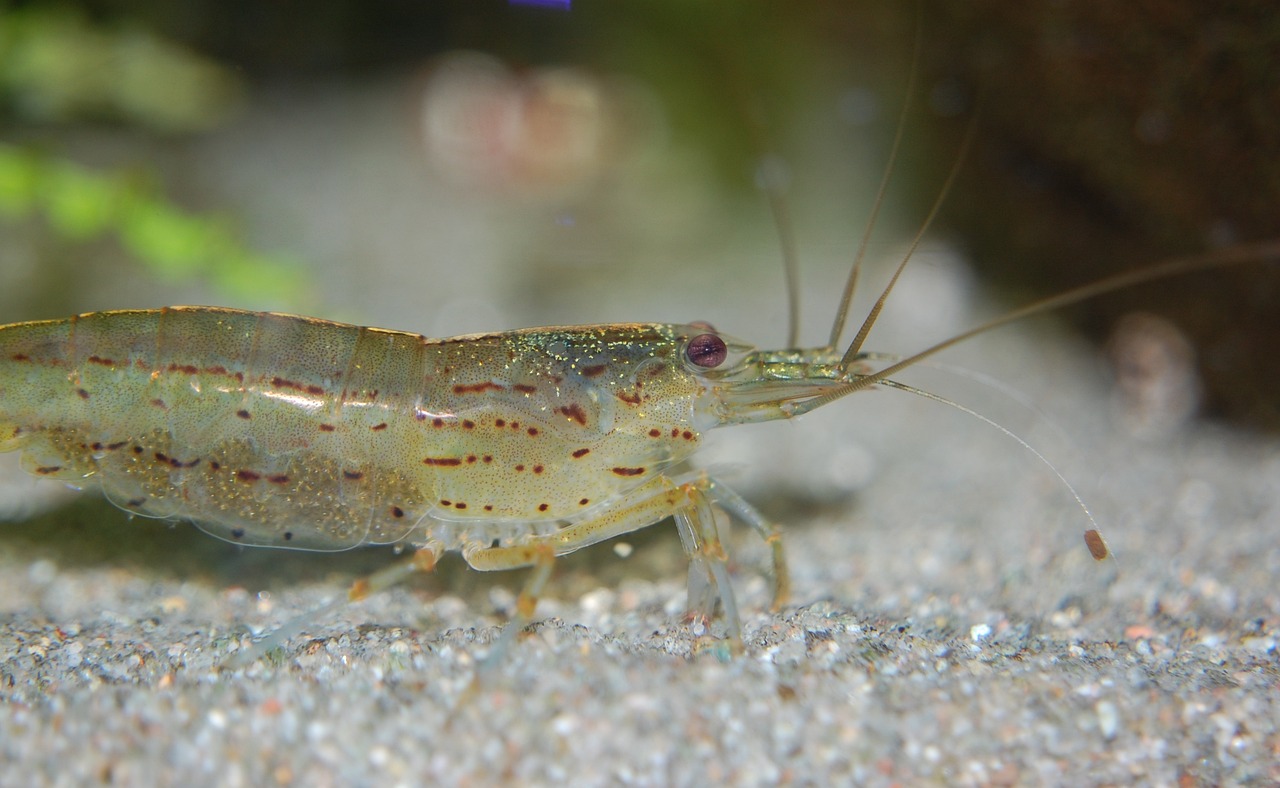
The Orange Sakura shrimp is one of the most visually striking Neocaridina davidi colour morphs available in the hobby. With their vivid tangerine colouration and the same forgiving care requirements as cherry shrimp, they offer a brilliant splash of colour for aquarists of every experience level. This Orange Sakura shrimp care guide covers everything you need to keep and breed these cheerful invertebrates in Singapore. This guide sits inside our broader Tropical Fish Species Master Index reference.
Origin and Classification
Orange Sakura shrimp are a selectively bred colour morph of Neocaridina davidi (formerly N. heteropoda), the same species that gives us Cherry Red, Blue Dream, Yellow and Rili shrimp. The orange colouration was developed through generations of selective breeding, isolating naturally occurring orange pigmentation and intensifying it over time.
The name “Sakura” denotes a specific grade within the orange colour line, indicating solid, opaque colouration across the body. Lower grades display translucent or patchy orange, while higher grades achieve the full, rich tangerine that makes these shrimp so appealing.
Being Neocaridina, Orange Sakuras share all the hardiness and adaptability that makes this genus perfect for beginners. Their care is essentially identical to the well-known cherry shrimp — only the colour differs.
Grading Orange Sakura Shrimp
Grading follows the same system used across Neocaridina colour lines, adapted for the orange morph.
| Grade | Appearance | Density |
|---|---|---|
| Regular / Low | Mostly translucent with faint orange tint | Thin, see-through |
| Sakura | Solid orange across most of the body | Good opacity, minor translucent patches |
| Fire Orange | Intense, uniform orange covering the entire body | Fully opaque |
| Painted Fire Orange | Deep, vivid orange with no translucency whatsoever | Maximum density, even on legs |
Females typically display stronger colouration than males, especially when berried (carrying eggs). Males tend to be slightly more translucent and smaller. When selecting breeding stock, choose the most intensely coloured individuals from both sexes to improve offspring quality over generations.
Water Parameters
One of the greatest advantages of Orange Sakura shrimp is their tolerance for a wide range of water conditions. Singapore’s PUB tap water, once treated for chloramine, is generally suitable.
| Parameter | Ideal Range | Singapore Tap Water |
|---|---|---|
| Temperature | 22–28 °C | 28–32 °C (upper end; see note) |
| pH | 6.5–8.0 | ~7.0–7.5 (suitable) |
| GH | 6–12 dGH | ~3–4 dGH (supplement with mineral stones) |
| KH | 2–8 dKH | ~1–3 dKH (acceptable) |
| TDS | 150–300 ppm | ~80–150 ppm (on the low side) |
| Ammonia / Nitrite | 0 ppm | Must be cycled |
Temperature Considerations in Singapore
Neocaridina are more heat-tolerant than Caridina species, and Orange Sakuras can survive at 28–30 °C. However, sustained temperatures above 30 °C — common during Singapore’s hotter months — reduce lifespan and breeding activity. If your tank regularly exceeds 30 °C, consider a small fan blowing across the water surface to provide 2–3 °C of evaporative cooling. A chiller is not strictly necessary but improves long-term colony health.
Dealing With PUB Water
Always use a quality water conditioner that neutralises chloramine (not just chlorine). Products like Seachem Prime handle both. Singapore’s tap water is on the softer side for Neocaridina, so adding a mineral supplement or placing mineral stones in the tank helps maintain adequate GH for healthy moulting.
Tank Setup
Orange Sakura shrimp thrive in simple, well-maintained setups.
- Tank size: Minimum 20 litres, though 40–60 litres is better for colony stability.
- Substrate: Inert substrates (gravel, sand, or inert aquasoil) are best. Active buffering substrates are unnecessary and may lower pH too far for Neocaridina.
- Filtration: Sponge filters are ideal — safe for shrimplets and provide grazing surface. Hang-on-back filters work well with an intake sponge guard.
- Plants: Java moss, Java fern, Anubias, floating plants (Salvinia, duckweed). Plants provide biofilm grazing surfaces and cover for newborns.
- Hiding spots: Driftwood, cholla wood, ceramic tubes, or shrimp shelters. Cover is important for moulting shrimp.
- Lighting: Standard aquarium lighting. Orange Sakuras look particularly vibrant against dark substrates and green plants.
Cycle your tank fully before adding shrimp. A mature tank with established biofilm is far better than a brand-new setup. Allow at least 4–6 weeks of cycling.
Feeding
Neocaridina shrimp are omnivorous scavengers that eat algae, biofilm, decaying plant matter and any dedicated shrimp food you provide.
Recommended Foods
- Biofilm and algae: The primary diet in a mature tank. Surfaces covered in biofilm provide constant grazing.
- Commercial shrimp food: Brands like Glasgarten, Shrimp King and Borneo Wild offer balanced pellets and wafers.
- Blanched vegetables: Spinach, zucchini and cucumber make excellent supplementary foods. Blanch briefly and remove uneaten portions after 6–8 hours.
- Mineral supplements: Calcium-rich foods (cuttlebone, mineral Junkie) support moulting.
- Dried leaves: Indian almond (ketapang) leaves and mulberry leaves provide both food and beneficial tannins.
Feed sparingly — a small colony in a well-established tank needs supplementary feeding only 2–3 times per week. Overfeeding fouls water quality far faster than underfeeding causes problems.
Breeding
Orange Sakura shrimp breed readily in suitable conditions, much like all Neocaridina davidi variants.
Breeding Basics
- Sexual maturity: Reached at approximately 3–4 months of age.
- Sexing: Females are larger, more colourful and develop a curved undercarriage (saddle). Males are smaller, more translucent and slimmer.
- Egg carrying: Females carry 25–40 eggs under their swimmerets for approximately 28–35 days.
- Offspring: Shrimplets are born as miniature adults (no larval stage) and are immediately independent.
- Colony growth: With stable conditions, a colony of 10 shrimp can grow to 100+ within 6 months.
Improving Colour in Offspring
To maintain and improve orange colouration across generations, practise selective breeding. Remove (cull) any offspring that show weak, washed-out or off-colour pigmentation. Keep only the most vibrantly coloured individuals as breeding stock. Over time, this raises the average grade of your colony.
Why You Should Not Mix Neocaridina Colours
This is one of the most important rules in Neocaridina keeping: do not house different colour morphs together. Orange Sakuras, Cherry Reds, Blue Dreams, Yellow and other Neocaridina colours will freely interbreed because they are all the same species.
The result is invariably disappointing. Within a few generations, offspring revert to the wild-type brownish-grey colouration as selectively bred colour genes recombine unpredictably. Years of careful selective breeding are undone in months.
If you want to keep multiple Neocaridina colours, maintain them in separate tanks. Alternatively, choose a single colour for each community tank.
Comparison With Other Neocaridina Colours
All Neocaridina davidi colour morphs share identical care requirements. The differences are purely aesthetic.
| Colour Morph | Colour | Availability in SG | Relative Price |
|---|---|---|---|
| Cherry Red | Red (various grades) | Very common | Lowest |
| Orange Sakura | Orange / tangerine | Common | Low–Moderate |
| Yellow Golden Back | Yellow with golden dorsal stripe | Common | Low–Moderate |
| Blue Dream | Deep blue | Common | Moderate |
| Green Jade | Dark green / jade | Less common | Moderate–High |
| Bloody Mary | Deep translucent red | Less common | Moderate |
| Carbon Rili | Black head/tail, clear midsection | Common | Low–Moderate |
Orange Sakuras stand out beautifully in planted tanks, especially against deep green backgrounds. Their warm tone contrasts well with cool-coloured plants and dark substrates.
Frequently Asked Questions
Do Orange Sakura shrimp need a chiller in Singapore?
Not strictly, but it helps. They tolerate 28–30 °C, though breeding slows and lifespan shortens above 28 °C. A clip-on fan providing evaporative cooling is usually sufficient for Neocaridina in Singapore. If your tank consistently exceeds 30 °C, consider a small chiller or positioning the tank in an air-conditioned room.
How many Orange Sakura shrimp should I start with?
Begin with at least 10–15 shrimp to ensure a healthy mix of males and females and to reduce stress through group security. Starting with more (20–30) accelerates colony establishment. In Singapore, a starter colony of 10–15 Sakura-grade Orange Sakuras typically costs $20–$40.
Will Orange Sakura shrimp eat my plants?
No. Neocaridina shrimp graze on biofilm and algae growing on plant surfaces but do not damage healthy plant tissue. They are entirely plant-safe and actually help keep plant leaves clean. The only exception is already dying or decaying plant matter, which shrimp will happily consume — but this is helpful, not harmful.
Can I keep Orange Sakura shrimp with fish?
Yes, but choose tankmates carefully. Small, peaceful species like Otocinclus, Pygmy Corydoras and small Rasboras are generally safe. Avoid any fish large enough to eat adult shrimp (most tetras, bettas, gouramis, cichlids). Even with safe tankmates, shrimplet survival will be lower than in a shrimp-only tank, as tiny newborns are prey for almost any fish.
Orange Sakura shrimp bring a burst of warm colour to any freshwater aquarium with minimal fuss. Whether you are setting up your first shrimp tank or adding a new colour to your collection, they are a superb choice. Visit Gensou at 5 Everton Park to see our Orange Sakura stock in person, or contact us for advice on building your Neocaridina colony.
Related Reading
- High-Grade Orange Sakura Shrimp Care Guide: Bright Citrus Neocaridina
- Orange Rili Shrimp Care Guide: Neocaridina Colour Morph
- Amano Shrimp Breeding Challenges: Larval Stages and Saltwater Phase
- How to Breed Amano Shrimp: The Challenging but Rewarding Process
- Amano Shrimp vs Cherry Shrimp: Which Is Better for Your Tank?



