
Otocinclus vs Siamese Algae Eater: Which Algae Eater Is Right?
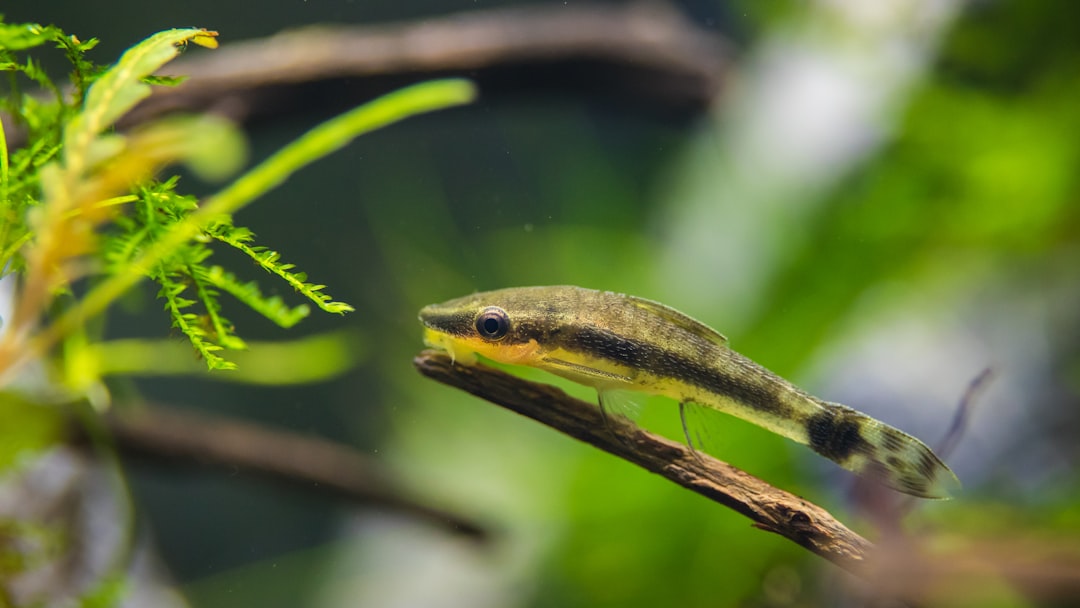
Choosing the right algae eater can make or break a planted tank. Two of the most popular options — the otocinclus and the Siamese algae eater — are frequently recommended, but they are very different fish suited to very different situations. Picking the wrong one leads to frustration: an otocinclus starving in a new tank, or a full-grown Siamese algae eater bulldozing through a nano setup.
This guide puts otocinclus and Siamese algae eaters side by side, comparing their size, diet, behaviour, tank requirements and effectiveness against specific algae types, so you can make the right choice for your Singapore aquarium.
Table of Contents
Quick Comparison Table
| Feature | Otocinclus | Siamese Algae Eater |
|---|---|---|
| Scientific Name | Otocinclus spp. (commonly O. vittatus) | Crossocheilus oblongus / C. siamensis |
| Adult Size | 3–4 cm | 12–15 cm |
| Lifespan | 3–5 years | 8–10 years |
| Minimum Tank Size | 40 litres | 120 litres |
| Group Size | 6+ (schooling) | 1 or small group |
| Primary Algae | Soft green algae, diatoms | Black beard algae (BBA), hair algae |
| Temperament | Peaceful, shy | Semi-boisterous, active |
| Sensitivity | High (needs mature tank) | Moderate (hardy once established) |
| SG Temperature | 24–28 °C (manageable with cooling) | 24–30 °C (comfortable at SG ambient) |
Otocinclus Profile
Otocinclus — affectionately called “otos” — are tiny catfish from South America. At just 3–4 cm, they are among the smallest algae-eating fish available. They cling to glass, plant leaves and hardscape with a sucker mouth, methodically grazing on soft green algae and diatom films.
Strengths
- Extremely gentle — safe with shrimp, fry and delicate plants
- Small size — suitable for nano and medium tanks
- Excellent diatom control — they devour the brown diatom film common in new and maturing tanks
- Schooling behaviour — a group of six or more creates an active, appealing display
- Plant-safe — they do not damage healthy plant tissue
Weaknesses
- Sensitive to water quality — high mortality during acclimatisation if the tank is not mature
- Can starve — in a clean tank with little algae, supplemental feeding is essential
- Will not eat BBA or tough algae — limited to soft, green varieties
- Temperature sensitive — prefers cooler water; Singapore’s ambient 28–32 °C is at their upper limit
For a detailed species guide, see our otocinclus care guide.
Siamese Algae Eater Profile
The true Siamese algae eater (Crossocheilus oblongus) is a cyprinid from Southeast Asia. Unlike the diminutive otocinclus, the SAE grows to 12–15 cm and is an active, sometimes boisterous swimmer. Its claim to fame is being one of the few fish that reliably eats black beard algae (BBA) — the bane of many planted tank keepers.
Strengths
- Eats BBA — the primary reason most hobbyists choose this fish
- Hardy — tolerates a wider range of conditions than otocinclus
- Active algae patroller — covers large surface areas quickly
- Comfortable in SG temperatures — 28–30 °C is within its natural range
Weaknesses
- Gets large — a 15 cm adult in a small tank causes problems
- Becomes lazy with age — older SAEs prefer commercial food over algae
- Semi-boisterous — can pester slow, long-finned fish
- Often misidentified — flying foxes and false Siamese algae eaters are frequently sold as the genuine article
For the full species breakdown, visit our Siamese algae eater care guide.
Algae Types: Who Eats What?
This is where the decision often becomes clear. The two fish target fundamentally different algae:
| Algae Type | Otocinclus | Siamese Algae Eater |
|---|---|---|
| Brown diatoms | Excellent | Moderate |
| Soft green film algae | Excellent | Good |
| Green spot algae | Poor | Poor |
| Green dust algae | Good | Moderate |
| Black beard algae (BBA) | None | Good (especially young fish) |
| Hair/thread algae | Minimal | Good |
| Staghorn algae | None | Moderate |
| Blue-green algae (cyanobacteria) | None | None |
Key takeaway: If your problem is soft green algae or diatoms, otocinclus are the superior choice. If BBA or hair algae is the issue, the Siamese algae eater is your fish.
Tank Size Requirements
This is another decisive factor, particularly for Singapore hobbyists working with limited space in HDB flats and condos.
Otocinclus
A group of six otocinclus can thrive in a 40-litre (roughly 45 cm) planted tank. Their tiny size and minimal bioload make them compatible with nano and medium setups — the very tanks most common in Singapore homes.
Siamese Algae Eater
A single SAE needs at least 120 litres (90 cm tank) as an adult. They are active swimmers that cover significant horizontal distance. Keeping a 15 cm SAE in a nano tank is a common mistake — the fish becomes stressed, territorial and stops eating algae. If your tank is under 90 cm long, the SAE is not the right choice.
Temperament and Community Fit
Otocinclus in the Community
Otos are the definition of peaceful. They ignore every other fish and invertebrate in the tank. They school loosely, grazing together across glass and plant leaves. They are completely safe with shrimp of all sizes, snails and even the tiniest fish fry. For delicate planted communities, they are the gold standard algae crew.
Siamese Algae Eaters in the Community
Young SAEs are well-behaved and focused on algae. As they mature, some individuals develop a boisterous streak — chasing slow fish, nipping long fins and dominating feeding time. This behaviour is not universal, but it is common enough to warrant caution. Avoid pairing SAEs with bettas, fancy guppies, angelfish or other slow, long-finned species.
Feeding Beyond Algae
Neither fish can survive on algae alone in a maintained aquarium. Supplemental feeding is essential for both:
| Food | Otocinclus | Siamese Algae Eater |
|---|---|---|
| Algae wafers | Yes (small, thin types) | Yes |
| Blanched courgette/cucumber | Yes (favourite) | Yes |
| Repashy gel food | Yes (Soilent Green) | Yes |
| Sinking pellets | Sometimes | Yes (eagerly) |
| Frozen bloodworms | Rarely | Yes |
| Flake food | No | Yes (from surface and mid-water) |
A common problem with mature SAEs is that once they discover commercial food, they lose interest in algae. To maintain their algae-eating motivation, keep supplemental feeding moderate and ensure the tank always has some natural growth for them to graze on.
Can You Keep Both Together?
Yes, in a sufficiently large tank (120 litres or more). In fact, combining them is an effective strategy — otos handle soft green algae and diatoms on leaves and glass, while SAEs tackle BBA on hardscape and older leaves. The two fish occupy different niches and rarely interact.
However, this pairing only works if the tank is large enough for the SAE. In a 40–60 litre planted tank, stick with otocinclus alone and address BBA through other means (CO2 optimisation, spot-treating with liquid carbon).
Which Should You Choose?
Use this decision framework:
- Choose otocinclus if: Your tank is under 90 cm, you have a peaceful community with shrimp, your algae is soft green or brown, and you can provide a mature tank with supplemental feeding.
- Choose a Siamese algae eater if: Your tank is 90 cm or larger, BBA is your primary concern, you do not keep slow or long-finned fish, and you are prepared for a fish that grows to 15 cm.
- Choose both if: You have a 120-litre-plus planted tank and want comprehensive algae coverage across multiple types.
For Singapore specifically, otocinclus are more versatile due to our space constraints. Most HDB and condo tanks fall in the 30–75 litre range, where otos excel and SAEs are simply too large. However, if you have a dedicated 4-foot planted display and BBA is an ongoing battle, a young SAE is hard to beat.
Need help choosing or setting up an algae management strategy? Our maintenance team can assess your tank and recommend the right approach.
Frequently Asked Questions
How do I tell a true Siamese algae eater from a flying fox?
The true SAE (Crossocheilus oblongus) has a black lateral stripe that extends into the tail fin with ragged, uneven edges. The flying fox (Epalzeorhynchos kalopterus) has a smoother stripe with a gold band above it and more colourful fins. Flying foxes are more aggressive and less effective algae eaters. Always buy from a reputable source — misidentification is common in Singapore shops.
Will otocinclus survive Singapore’s heat?
Otos can handle 28–30 °C, which covers most of Singapore’s ambient range. During hot spells above 30 °C, a clip-on fan aimed at the water surface provides evaporative cooling. Ensure good oxygenation, as warmer water holds less dissolved oxygen. Avoid placing the tank in direct sunlight or near windows without shade.
My Siamese algae eater stopped eating algae. Why?
This is common in mature SAEs that have learned to prefer commercial food. Reduce supplemental feeding to encourage a return to natural grazing. Some hobbyists find that SAEs are most effective in their first one to two years; older individuals may need to be supplemented with other algae-control methods.
Can nerite snails replace either fish?
Nerite snails are excellent at green spot algae and general film algae, overlapping somewhat with otocinclus. However, they cannot address BBA (only SAEs and Amano shrimp do this reliably). A combined approach — otos for soft algae, nerites for hard surfaces and an SAE for BBA — provides the most thorough coverage in larger tanks.
Get Your Algae Under Control
Both otocinclus and Siamese algae eaters have earned their reputations as top-tier algae crew — they simply excel at different jobs. Understanding the distinction ensures you invest in the right fish for your specific tank, saving you time, money and the frustration of an algae problem that will not budge.
If you are battling algae in your planted tank and need tailored advice, reach out to us at 5 Everton Park. Our team has over 20 years of experience helping Singapore aquarists achieve clean, balanced planted tanks.
Related Reading



