
Red Eye Tetra Care Guide: Classic Beauty for Community Tanks
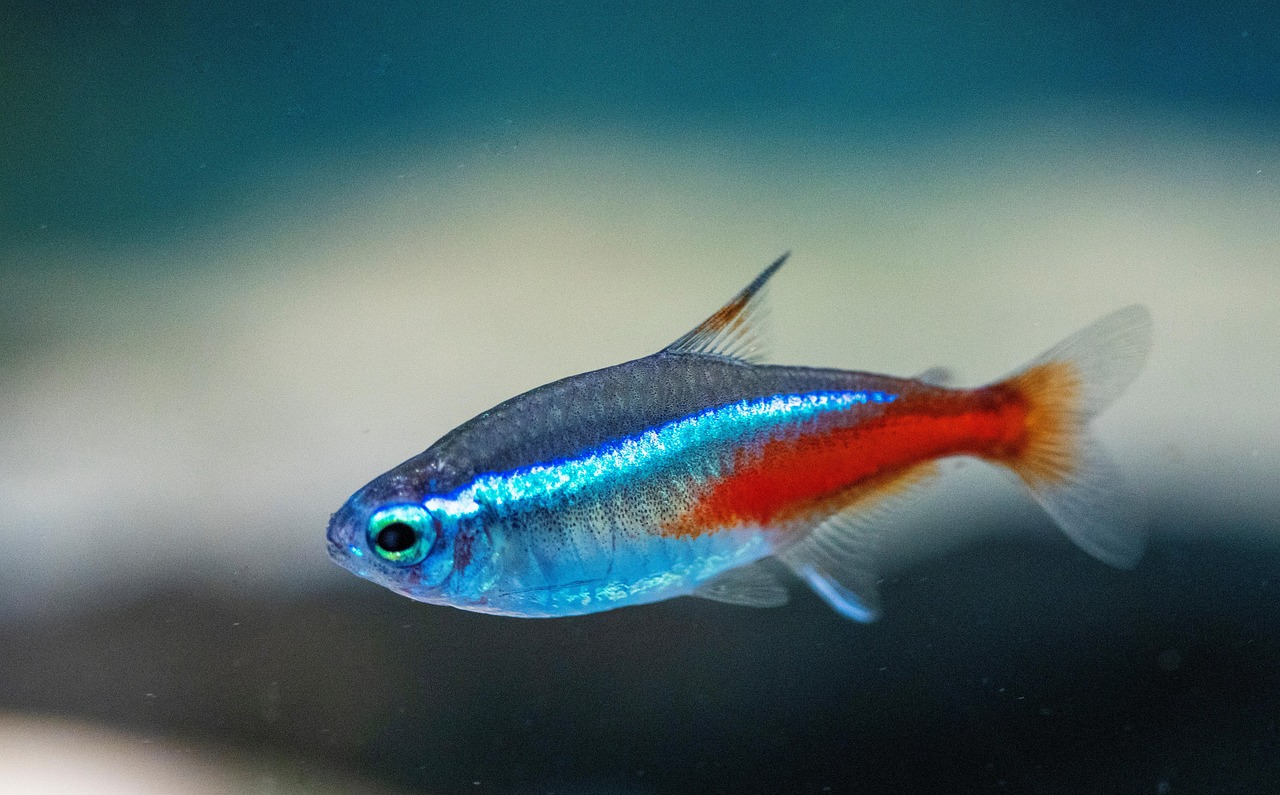
This red eye tetra care guide introduces one of the most reliable and attractive schooling fish available to freshwater hobbyists. The red eye tetra (Moenkhausia sanctaefilomenae) earns its name from the vivid red patch on the upper half of its eye, which contrasts beautifully against its silver body and black tail band. At Gensou Aquascaping at 5 Everton Park, we consider the red eye tetra an excellent choice for community tanks of all experience levels.
Species Background
Red eye tetras originate from the rivers and streams of South America, found across Brazil, Paraguay, Bolivia and Argentina. They inhabit a wide range of water conditions in the wild, from clear streams to slightly murky floodplain waters, which contributes to their remarkable adaptability in captivity. Adults reach approximately 6 to 7 centimetres, making them slightly larger than many popular tetra species. Their hardiness and active nature have made them a staple in the hobby since the 1950s.
Tank Size and Setup
A school of six to eight red eye tetras requires a minimum tank volume of 80 litres, though 120 litres or more allows for a more dynamic display. They are active mid-water swimmers that appreciate open swimming space balanced with planted areas for retreat. Use a combination of stem plants such as Rotala and Hygrophila along the sides and back, leaving the centre open. A dark substrate and background enhance their silver colouration and make the red eye patch stand out dramatically.
Water Parameters for Singapore
One of the red eye tetra’s greatest strengths is its tolerance of a wide range of water conditions. They accept a pH of 5.5 to 8.5, a temperature of 22 to 28 degrees Celsius, and a GH of 2 to 20 dGH. Singapore’s dechlorinated tap water is perfectly suitable without any modification. Maintain water quality with weekly changes of 20 to 25 per cent and ensure your filtration provides adequate flow without creating overly strong currents that exhaust the fish.
Diet and Feeding
Red eye tetras are unfussy omnivores that accept virtually any aquarium food. A staple of high-quality tropical flakes or micro pellets works well, supplemented with frozen or live foods such as bloodworms, daphnia and brine shrimp for variety. They also graze on algae and biofilm within the tank. Feed once or twice daily in small amounts that the school can consume within two to three minutes. A varied diet promotes the best colouration, particularly the intensity of the red eye marking.
Temperament and Tankmates
Generally peaceful, red eye tetras can occasionally display mild fin-nipping behaviour, particularly if kept in groups that are too small. Maintain a school of at least six to minimise this tendency. They coexist well with a broad range of community fish, including corydoras catfish, rasboras, other medium tetras, dwarf gouramis and bristlenose plecos. Avoid pairing them with long-finned, slow-moving species such as fancy guppies or halfmoon bettas, as those flowing fins may prove too tempting. They also pair well with larger peaceful cichlids like angelfish and severums.
Health and Longevity
Red eye tetras are robust fish with a lifespan of five to seven years under good conditions. They are not particularly susceptible to any specific disease, though like all freshwater fish, they can develop ich, fin rot or bacterial infections if water quality deteriorates. Maintain stable parameters, avoid overfeeding and quarantine new additions. Their hardiness makes them an excellent choice for newer hobbyists still refining their water management skills.
Breeding Red Eye Tetras
Breeding is straightforward in a dedicated spawning tank. Condition a pair with protein-rich foods for a week, then introduce them to a separate tank with fine-leaved plants or spawning mops. The female scatters adhesive eggs among the plants, typically at dawn. Remove the adults immediately after spawning, as they will readily eat the eggs. Eggs hatch within 24 to 36 hours, and the fry become free-swimming in three to four days. Feed infusoria initially, transitioning to baby brine shrimp as they grow.
A Dependable Community Classic
The red eye tetra may lack the exotic allure of rarer species, but it more than compensates with reliability, activity and understated beauty. A well-maintained school of these tetras darting through a planted aquarium, their red eyes flashing under the lights, creates an effortlessly attractive display. Visit Gensou Aquascaping to pick up a school and discuss the perfect community tank composition for your home.
Related Reading



