
How to Remineralise Tap Water for Shrimp
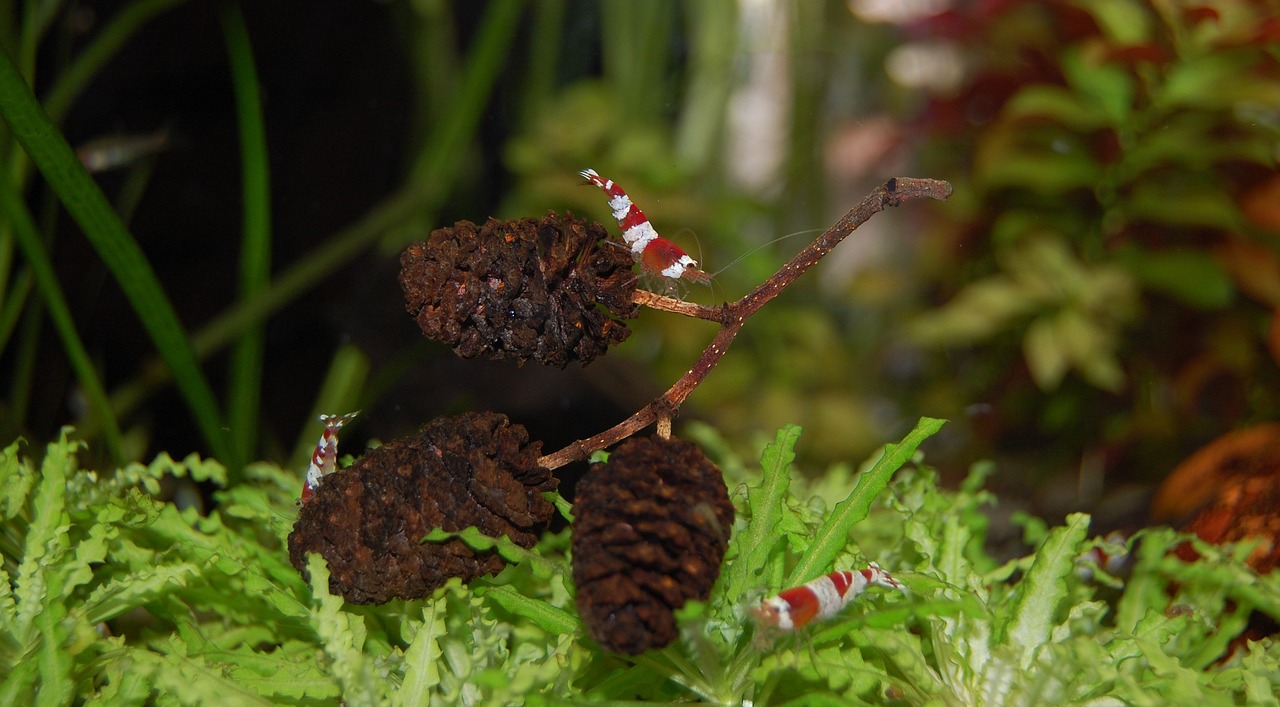
This remineralise tap water shrimp guide walks you through the essential process of preparing water that keeps your dwarf shrimp healthy, breeding and displaying vibrant colour. Whether you are keeping hardy Neocaridina or sensitive Caridina species, understanding how to remineralise water correctly is one of the most important skills a shrimp keeper can develop. At Gensou Aquascaping at 5 Everton Park, we help shrimp hobbyists across Singapore get their water parameters right from day one. This guide sits inside our broader Planted Tank Complete Hub reference.
Why Remineralisation Matters
Shrimp depend on dissolved minerals for shell formation, moulting, osmoregulation and overall health. Water that lacks essential minerals, particularly calcium and magnesium, leads to failed moults, soft shells and premature death. Conversely, water with excessive or imbalanced minerals can stress shrimp and inhibit breeding. The goal of remineralisation is to create water with a precise mineral profile that matches the species’ natural requirements. This is especially critical for Caridina shrimp, which originate from mineral-poor, soft-water environments.
Singapore Tap Water Baseline
Singapore’s PUB-treated tap water typically has a pH of 7.0 to 8.0, a GH of 2 to 4 dGH, a KH of 1 to 3 dKH, and a TDS of 50 to 120 ppm. While this is relatively soft, it contains chloramine, which must be neutralised with a dechlorinator before use. For Neocaridina shrimp, dechlorinated tap water can often be used directly with minor adjustments. For Caridina species, most serious keepers prefer to start with reverse osmosis (RO) water or distilled water and remineralise from a blank slate for maximum control.
Choosing a Remineraliser
Commercial remineralisers come in two main categories. GH-only products, such as Salty Shrimp GH+, add calcium and magnesium without raising KH or pH. These are designed for Caridina shrimp kept on buffering substrates like aquasoil, which controls pH independently. GH and KH products, such as Salty Shrimp GH/KH+, raise both general hardness and carbonate hardness, providing pH stability. These are suited to Neocaridina tanks with inert substrates. Selecting the correct type for your shrimp species and substrate is essential. Using the wrong product can destabilise your water chemistry.
Target Parameters by Species
For Neocaridina shrimp such as cherry shrimp and blue dream, aim for a GH of 6 to 8 dGH, a KH of 2 to 5 dKH, a TDS of 150 to 250 ppm, and a pH of 6.8 to 7.5. Use a GH/KH+ remineraliser with an inert substrate. For Caridina shrimp such as crystal red, Taiwan bee and tiger shrimp, target a GH of 4 to 6 dGH, a KH of 0 to 1 dKH, a TDS of 100 to 150 ppm, and a pH of 5.5 to 6.5. Use a GH+ only remineraliser with a buffering aquasoil substrate. These parameters represent safe starting ranges; fine-tune based on your specific shrimp strain’s behaviour and breeding response.
Step-by-Step Remineralisation Process
Begin by filling a clean container with RO water or dechlorinated tap water. Measure the starting TDS with a calibrated TDS meter. Add the remineraliser gradually, stirring between additions, and test TDS after each addition until you reach your target range. A TDS meter provides the quickest feedback, but always confirm with GH and KH test kits, as TDS alone does not distinguish between beneficial minerals and unwanted dissolved solids. Allow the water to reach room temperature before adding it to the shrimp tank. Consistency between water changes is paramount, so prepare the same target TDS every time.
Common Mistakes
The most frequent error is adding remineraliser directly to the aquarium instead of pre-mixing in a separate container. This causes sudden parameter spikes that stress shrimp and can trigger fatal moulting problems. Another common mistake is relying solely on TDS without testing GH and KH. If your tap water or RO unit passes through old filters, TDS can be elevated from contaminants rather than beneficial minerals, giving a false reading. Over-remineralising is also dangerous. More minerals are not better; exceeding the target range stresses shrimp just as much as under-mineralising. Finally, inconsistency between water changes forces shrimp to constantly readjust, which suppresses breeding and weakens the colony over time.
Water Change Protocol
For shrimp tanks, smaller and more frequent water changes are safer than large infrequent ones. Change 10 to 15 per cent of the water once or twice per week using pre-mixed, temperature-matched, remineralised water. Add the new water slowly, either by pouring gently or using a drip method, to avoid sudden parameter shifts. Before each water change, test the tank water and the replacement water to confirm they match. Over time, this disciplined approach creates a stable environment where shrimp thrive and breed consistently.
Mastering Water Chemistry
Remineralisation may seem technical, but it quickly becomes routine once you establish a system. Invest in a reliable TDS meter, quality GH and KH test kits, and a reputable remineralising product suited to your shrimp species. Prepare water in batches to save time and ensure consistency. The effort pays off in healthier shrimp, more successful moults and stronger breeding outcomes. Drop by Gensou Aquascaping for personalised advice on water preparation and to explore our range of shrimp-keeping supplies.
Related Reading



