
Twig Catfish Care Guide: Slender Masters of Disguise
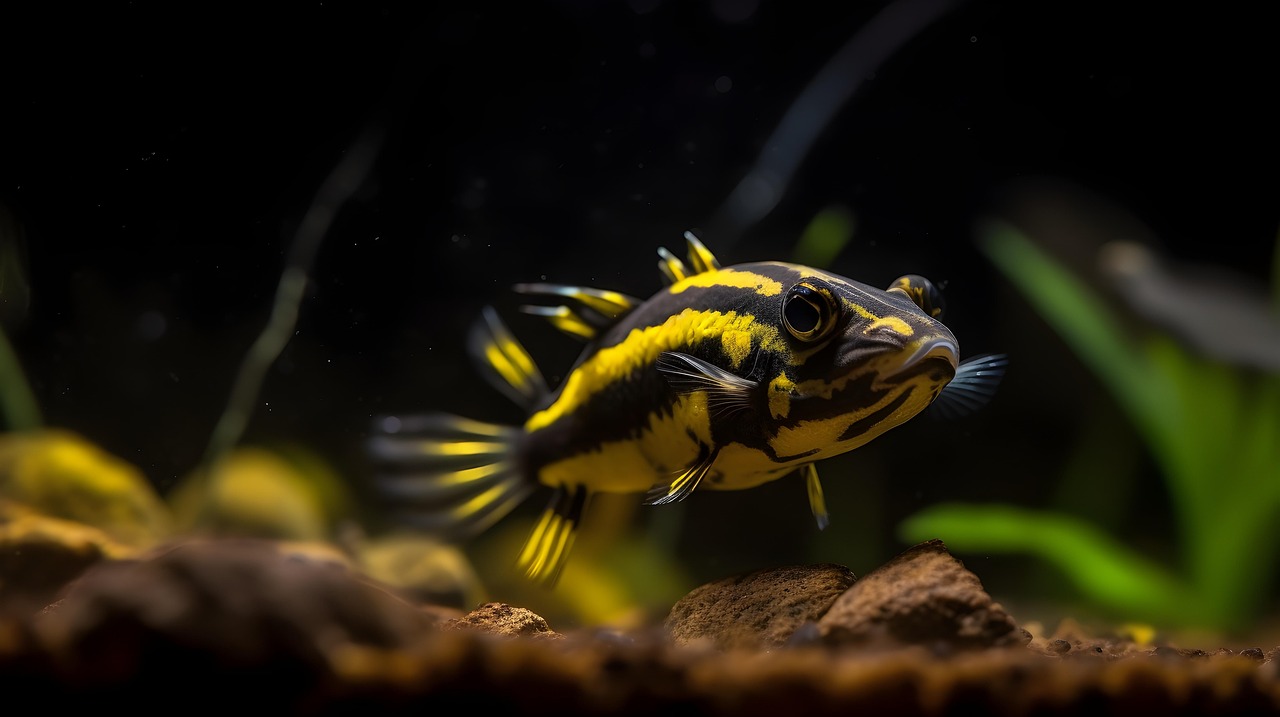
This twig catfish care guide explores the care of Farlowella and Rineloricaria species, some of the most delicate and visually striking catfish available to freshwater aquarists. At Gensou Aquascaping, based at 5 Everton Park in Singapore, we appreciate twig catfish for their remarkable resemblance to fallen twigs and their gentle algae-grazing habits in planted tanks.
Species Identification and Natural Habitat
Twig catfish is a common name applied to several genera, most notably Farlowella and Rineloricaria. Farlowella species, with their extremely elongated snouts and slender bodies, are the most recognisable. They originate from slow-moving rivers and streams across Central and South America, from Panama through to Argentina. In the wild, they cling to submerged branches and driftwood, where their shape and colouration render them nearly invisible. Adults typically reach 15 to 20 centimetres in length.
Tank Requirements and Layout
Twig catfish require a well-established, mature tank of at least 100 litres. The aquascape should include plenty of driftwood, which serves as both a perching surface and a supplementary food source, as twig catfish graze on the biofilm that develops on wood. Dense planting with broad-leaved species provides additional grazing surfaces and shelter. Water flow should be moderate, replicating the gentle currents of their natural habitat. Avoid bare or sparsely decorated tanks, as twig catfish need surfaces to cling to for security.
Water Parameters and Stability
Twig catfish are sensitive to water quality and require pristine conditions. A pH between 6.0 and 7.0, temperature between 24 and 27 degrees Celsius, and soft to moderately hard water are ideal. They are particularly intolerant of ammonia and nitrite, so the tank must be fully cycled before introducing these fish. In Singapore, regular water changes of 25 to 30 per cent weekly and efficient biological filtration are essential. High oxygen levels are important, so ensure good surface agitation or use an air stone.
Diet and Feeding Challenges
Feeding twig catfish is one of the main challenges of their care. They are primarily herbivorous, feeding on algae, biofilm, and aufwuchs in the wild. In captivity, offer algae wafers, blanched vegetables such as courgette, cucumber, and spinach, as well as spirulina-based foods. They are slow, methodical feeders and can easily be outcompeted by faster-eating tank mates. Feed in the evening or at night and consider placing food directly near their preferred resting spots. Supplementing with fresh driftwood that develops natural biofilm is highly beneficial.
Behaviour and Temperament
Twig catfish are among the most peaceful fish in the hobby. They spend their days clinging motionless to driftwood or plant leaves, becoming more active during twilight and nighttime hours. Their camouflage is so effective that they often go unnoticed even by experienced aquarists. They are not territorial and can be kept in small groups, though they tend to be somewhat solitary in their habits. Stress manifests as loss of colour and reluctance to feed, so a calm, stable environment is essential.
Tank Mate Selection
Choose tank mates carefully for twig catfish. Ideal companions are other peaceful, small to medium species such as tetras, rasboras, Corydoras, small peaceful cichlids, and dwarf shrimp. Avoid boisterous or aggressive fish, particularly suckermouth catfish like common plecos that may harass or outcompete twig catfish for food and resting spots. Fast-feeding species can also be problematic, as twig catfish may starve in a competitive feeding environment.
Breeding Twig Catfish
Breeding Farlowella species in captivity is achievable with dedication. Males develop bristles on the snout and guard the eggs, which are typically deposited on flat surfaces such as the aquarium glass or broad leaves. The male fans the eggs until they hatch, usually within seven to ten days. The fry are extremely small and require biofilm and infusoria as initial food, graduating to blanched vegetables and algae wafers as they grow. Maintaining stable water conditions during breeding is critical.
Keeping Twig Catfish Successfully
Twig catfish are not the easiest species to maintain, but they reward careful keepers with their unique appearance and calming presence. Success depends on water quality, appropriate feeding strategies, and compatible tank mates. For aquarists who enjoy the subtler aspects of fishkeeping, few species offer as much quiet charm. If you are considering adding twig catfish to your planted aquarium, visit Gensou Aquascaping for advice on creating the stable, mature environment these remarkable fish require.
Related Reading



