
Why Nerite Snails Won’t Breed in Freshwater: The Full Explanation
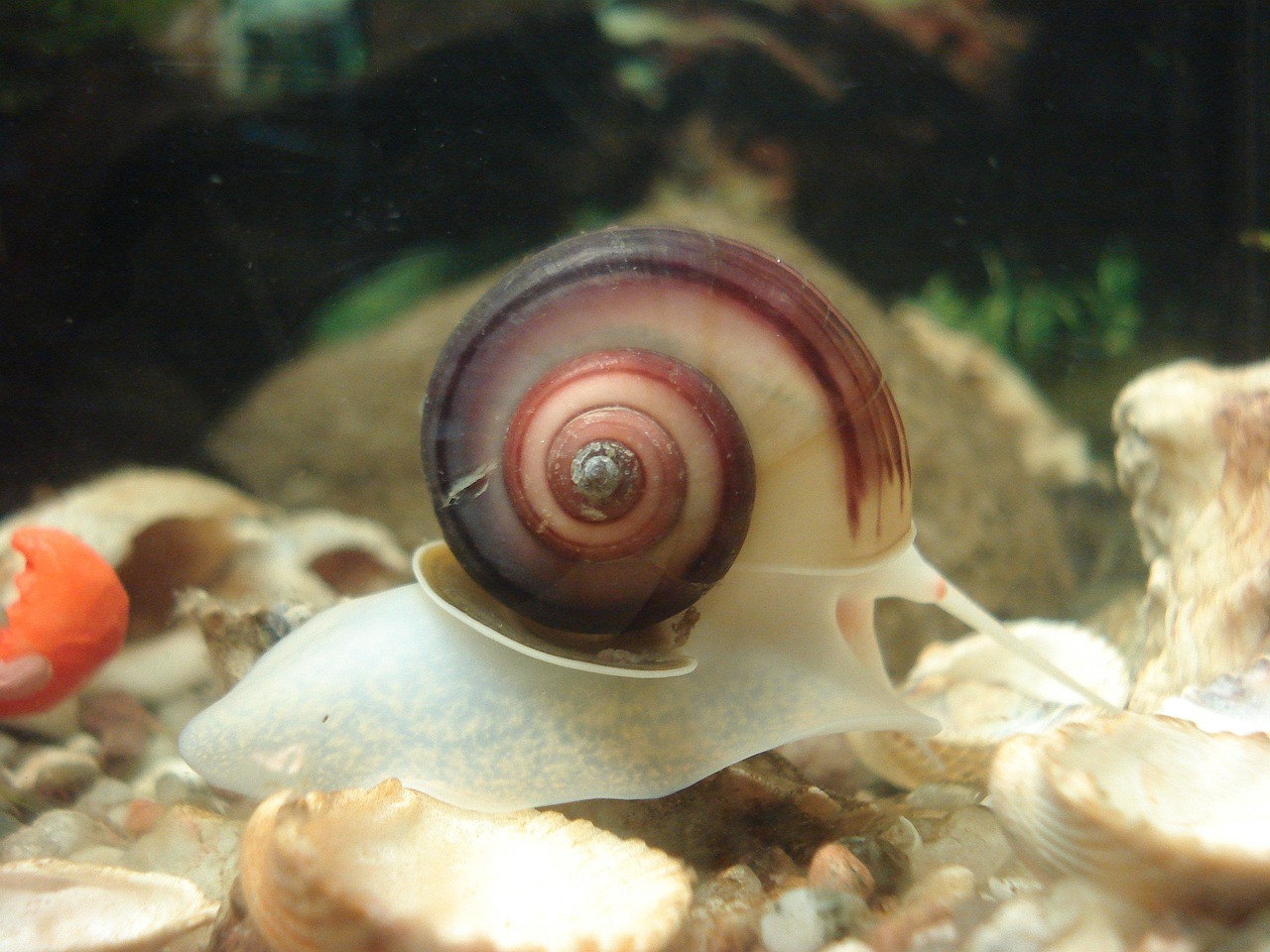
This nerite snail breeding freshwater guide answers one of the most frequently asked questions in the aquarium hobby: why do nerite snails lay eggs everywhere but never produce babies in freshwater tanks? At Gensou Aquascaping, based at 5 Everton Park in Singapore, we field this question regularly and are happy to provide the full scientific explanation.
Nerite Snails in the Aquarium Hobby
Nerite snails are among the most popular freshwater aquarium inhabitants, prized for their voracious appetite for algae and their inability to overpopulate tanks the way other snail species can. Common species include the zebra nerite, tiger nerite, horned nerite, and olive nerite, all belonging to the family Neritidae. They are widely available in Singapore’s aquarium shops and are a staple recommendation for planted tank keepers looking for reliable algae control without the risk of snail population explosions.
The Egg-Laying Paradox
If you keep nerite snails, you have almost certainly encountered their hard, white, sesame-seed-like eggs deposited on driftwood, rocks, glass, and equipment. These eggs appear regardless of whether males are present, as females will deposit unfertilised eggs routinely. Even fertilised eggs, however, will not develop into viable offspring in a freshwater environment. This leaves many aquarists puzzled, as the eggs persist for weeks or months without hatching, creating an aesthetic nuisance.
Why Freshwater Breeding Fails
The answer lies in the natural life cycle of nerite snails. Most nerite species found in the aquarium trade are amphidromous, meaning they require brackish or full marine water for their larval development. In the wild, adult nerites live in freshwater rivers and streams, but their larvae are swept downstream to estuaries or coastal waters where salinity is significantly higher. The larvae develop through a free-swimming veliger stage in brackish water before metamorphosing into juvenile snails and migrating back upstream into freshwater. Without this brackish water phase, the larvae simply cannot survive.
The Larval Development Process
Nerite snail eggs contain developing embryos that require a specific salinity range, typically between 5 and 15 parts per thousand, to hatch and progress through their planktonic larval stages. The veliger larvae feed on microscopic algae and plankton in the water column for several weeks before settling and transforming into miniature snails. This complex two-stage life cycle, spanning both freshwater and brackish environments, is an effective reproductive strategy in the wild but makes captive breeding in a standard freshwater aquarium impossible.
Can You Breed Nerites in Captivity?
Breeding nerite snails in captivity is technically possible but extremely challenging. It requires a separate brackish water setup with carefully controlled salinity, a supply of microscopic algae to feed the veliger larvae, and considerable patience. The process involves allowing eggs to be laid in a freshwater tank, then transferring them to a brackish rearing tank before they would naturally hatch. Success rates are low even among experienced breeders, which is why virtually all nerite snails sold in the trade are wild-caught from rivers in Southeast Asia, Africa, and the Pacific islands.
Dealing with Unwanted Eggs
The persistent white eggs are the main drawback of keeping nerite snails. They are extremely hard and bonded tightly to surfaces, making removal difficult. A razor blade or algae scraper can remove eggs from glass, while a stiff brush works on rocks and driftwood. Some aquarists report that keeping only male nerites eliminates the egg problem, though sexing nerites is not straightforward for most hobbyists. Males tend to be slightly smaller with a less rounded shell aperture, but reliable identification typically requires examining the individual up close.
Nerite Snails and Population Control
The inability to breed in freshwater is actually one of the greatest advantages of nerite snails for aquarium keepers. Unlike ramshorn snails, Malaysian trumpet snails, or pond snails, nerites will never overrun a tank. You get exactly the number of snails you introduce, with no surprise population booms that can overwhelm a small aquarium. This makes them particularly valuable in carefully aquascaped tanks where pest snail outbreaks can be disruptive and difficult to manage.
Making the Most of Your Nerite Snails
Despite the egg nuisance, nerite snails remain one of the best algae-eating invertebrates for freshwater planted aquariums. Their inability to reproduce in your tank is a feature rather than a flaw for most aquarists. If you would like advice on choosing the right nerite species for your aquarium or need help managing algae in your planted setup, the team at Gensou Aquascaping is always available to share our experience and recommendations tailored to Singapore’s water conditions.
Related Reading
- Horned Nerite Snail Care Guide: Spiky Shells and Clean Glass
- Nerite Snail Species Comparison: Zebra, Tiger, Horned and Olive
- Nerite Snail vs Mystery Snail: Algae Eating, Size and Breeding
- Olive Nerite Snail Care Guide: Classic Dark Shell Workhorse
- Rabbit Snail Breeding Guide: Tylomelania Live Bearers



