
Zebra Pleco L046 Breeding Guide: High Value, High Reward
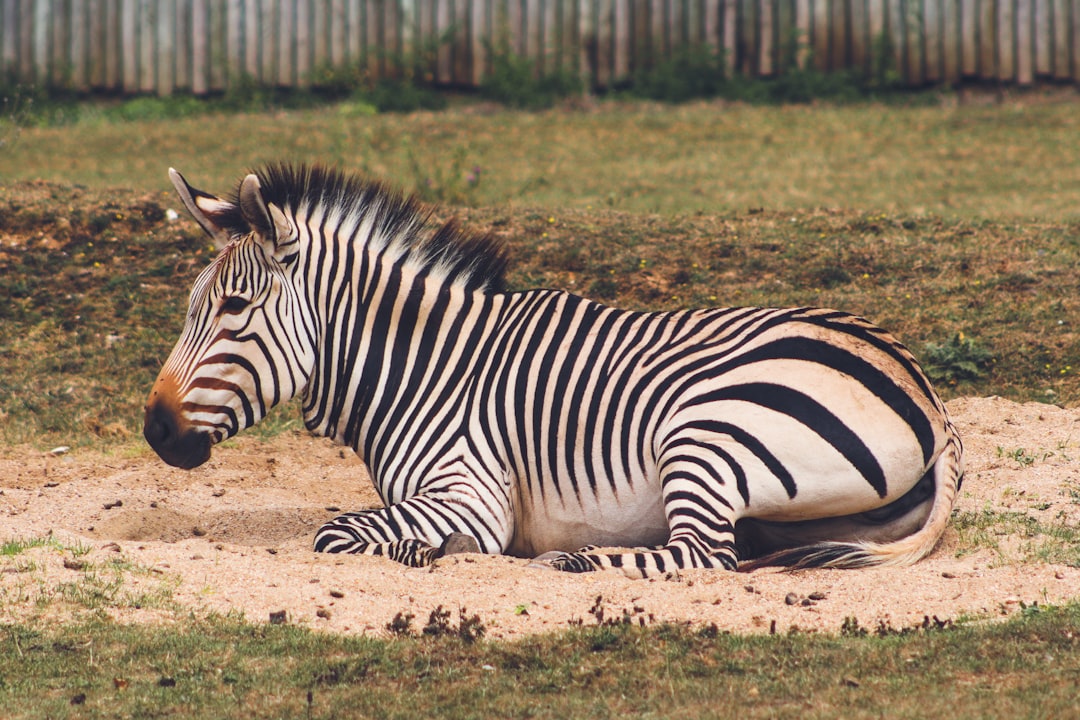
The Zebra Pleco is among the most coveted freshwater fish in the world. With its striking black-and-white striped pattern and compact 8–10 cm adult size, Hypancistrus zebra (L046) commands prices of $200–$500 per fish in Singapore, making successful breeding both a passion project and a genuine source of income. This zebra pleco L046 breeding guide from Gensou Aquascaping at 5 Everton Park, Singapore, covers the practical steps to breed this iconic species in a tropical home setup.
Understanding the Species
Hypancistrus zebra originates from the Rio Xingu in Brazil, where it inhabits warm, fast-flowing, highly oxygenated water among rocky rapids. Since Brazil banned exports in 2004, all legally available specimens outside the country are captive-bred. This scarcity drives the premium pricing and makes successful breeders valuable to the hobby.
Zebra Plecos are carnivorous — unlike many pleco species, they do not eat algae. Males develop broader heads and more pronounced odontodes (bristle-like growths) on the pectoral fins and cheeks compared to females.
Breeding Colony Setup
A dedicated breeding tank of 120–200 litres works well for a colony of one male and two to three females. Bare bottom or thin sand substrate simplifies maintenance. The critical element is caves: provide ceramic or slate caves with an internal diameter just slightly wider than the male’s body — roughly 4–5 cm wide and 10–12 cm deep. One cave per male, plus a few extras, gives options without overcrowding.
Position caves so the openings face the water flow from the filter outlet. Males prefer caves with current washing over the entrance, which aids egg ventilation.
Water Parameters for Breeding
Maintain base conditions at 28–30 °C, pH 6.5–7.0, and GH 3–6 dGH. Singapore’s warm climate is advantageous here — you rarely need a heater, though a thermostat set to 29 °C ensures consistency during cooler air-conditioned nights. Dissolved oxygen is critical: use a powerhead or spray bar to create strong surface agitation.
To trigger spawning, perform a large cool water change — drop the temperature by 2–3 °C using slightly cooler dechlorinated water, simulating the rainy season floods of the Xingu. Many breeders report spawns occurring 24–48 hours after such a change.
Conditioning and Spawning
Feed a protein-rich diet for several weeks before attempting to trigger spawning. Frozen bloodworms, high-quality carnivore pellets (Repashy Bottom Scratcher gel food is excellent), and occasional live blackworms bring the colony into breeding condition. Well-conditioned females develop a visibly rounded belly.
When ready, the male entices a female into his chosen cave. She deposits 7–15 large, sticky eggs on the cave ceiling, and the male fertilises and guards them exclusively. He fans the eggs constantly with his fins and blocks the cave entrance, refusing food for the entire incubation period of 7–10 days at 29 °C.
Fry Care
Newly hatched fry carry a substantial yolk sac that sustains them for 10–14 days. During this period, the male continues guarding. Once fry emerge from the cave and begin foraging, offer crushed Repashy gel food, baby brine shrimp and micro worms. Feed small amounts multiple times daily — fry have rapid metabolisms but tiny stomachs.
Move fry to a separate grow-out tank of 40–60 litres with gentle sponge filtration. Keep water pristine with daily 10 % changes. Growth is slow; juveniles take 12–18 months to reach adult size and breeding maturity.
Common Breeding Challenges
Infertile eggs, fungal outbreaks on clutches, and males abandoning caves are the most frequent setbacks. Methylene blue at a low dose can prevent fungus on developing eggs if the male is removed. However, leaving the male to tend the eggs naturally yields better hatch rates in most cases. Ensure caves are not too large — excess space makes the male’s fanning less effective.
Stress from tank mates is another concern. Breeding colonies should be species-only or housed with extremely passive companions. Even small Corydoras can trigger defensive behaviour that disrupts the breeding cycle.
Colony Management and Sales
A well-managed colony of four to six adults can produce several clutches per year. Each successful spawn of 7–15 fry, grown out to 3–4 cm juveniles, represents significant value in Singapore’s aquarium market. Healthy juveniles sell for $150–$300 on Carousell and through local breeder networks. Keep meticulous records of spawning dates, clutch sizes and fry survival rates to optimise your approach over time.
A Rewarding Long-Term Project
Breeding Zebra Plecos requires patience, attention to detail and a willingness to invest in proper setup. The payoff — both financial and in sheer satisfaction — makes it one of the most rewarding projects in freshwater fishkeeping. Gensou Aquascaping offers advice on colony setup and water management for hobbyists ready to take on this challenge.
Related Reading
- Zebra Pleco L046 Diet Guide: Protein, Pellets and What to Avoid
- Gold Nugget Pleco Breeding Guide: L018 Cave Spawning Challenges
- Albino Bristlenose Pleco Care Guide: Pale and Popular
- Amano Shrimp Breeding Challenges: Larval Stages and Saltwater Phase
- Blue Phantom Pleco Care Guide: L128 Slate-Blue Beauty



