
Long-Fin Yellow Lab Cichlid Care Guide: Flowing Fins on Mbuna Gold
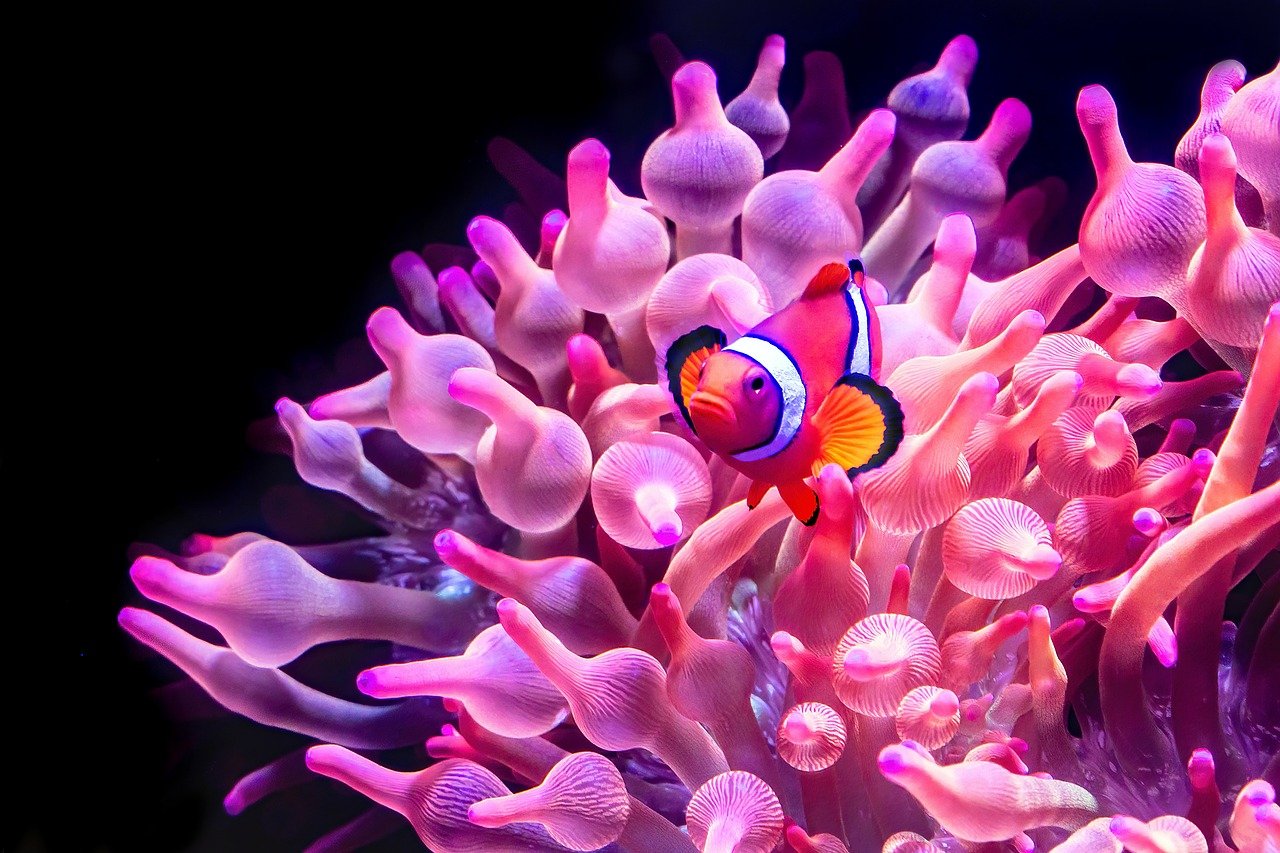
Few mbuna command attention quite like the long-fin variant of Labidochromis caeruleus. Where the standard yellow lab already ranks among the most recognisable Lake Malawi cichlids, the long fin yellow lab cichlid care guide you are reading now focuses on the trailing, veil-like finnage that elevates this fish into centrepiece territory. At Gensou Aquascaping in Singapore, we have kept and bred these fish for years, and their golden glow paired with flowing fins never fails to stop visitors in their tracks. Understanding their specific needs is key to keeping those delicate fins intact and the colour vivid.
Origin and Long-Fin Genetics
The yellow lab hails from the rocky shoreline of Lion’s Cove and Nkhata Bay in Lake Malawi. Wild populations display the iconic electric yellow body with black dorsal fin edging. The long-fin trait is a selectively bred mutation that elongates the dorsal, pelvic, and anal fins, sometimes doubling their standard length. Because the gene is partially dominant, pairing two long-fin individuals can produce fry with excessively long finnage that tears easily, so breeders typically cross long-fin to standard-fin for healthier offspring.
Tank Size and Aquascape Setup
A single group of six to eight long-fin yellow labs does well in a 200-litre tank or larger. Rockwork is essential — stack limestone or ocean rock to create multiple caves and line-of-sight breaks. Unlike more aggressive mbuna, yellow labs are comparatively mellow, yet they still establish territories around specific caves. In Singapore’s HDB flats, check that your cabinet and floor can support the weight; a 200-litre setup with rocks can easily exceed 250 kg. Leave open swimming space along the front glass so those trailing fins can unfurl properly.
Water Parameters for Singapore Keepers
Lake Malawi cichlids prefer hard, alkaline water — aim for pH 7.6–8.4 and GH 10–20. Singapore’s PUB tap water is naturally soft at GH 2–4, so you will need to buffer it. Crushed coral in the filter or a Rift Lake salt mix works well. Temperature should sit between 24–27 °C; in our tropical climate, a heater is rarely needed, but a small fan or clip-on cooler helps during particularly warm stretches when ambient temperatures push above 31 °C.
Feeding for Colour and Fin Health
Yellow labs are omnivores with a herbivorous lean. A quality spirulina-based pellet or flake should form the staple — brands like Hikari and NorthFin are readily available on Shopee and at local fish shops around Serangoon North. Supplement with blanched zucchini, spinach, and the occasional treat of frozen brine shrimp or daphnia. Avoid high-protein foods like bloodworms as a regular offering; excess protein contributes to bloat, a common and often fatal condition in mbuna.
Maintaining Those Flowing Fins
The long finnage is the breed’s defining feature, and it is also its vulnerability. Rough decor with sharp edges can shred trailing fins overnight. Smooth river stones or weathered rock with rounded profiles are safer choices than freshly broken pieces. Aggressive tankmates pose an even greater risk — fin-nipping species and overly territorial mbuna will target those slow-moving fins relentlessly. Keep water quality pristine with weekly 30–40% water changes, as poor conditions invite bacterial fin rot that spreads rapidly through delicate tissue.
Compatible Tankmates
Stick with peaceful to moderately aggressive mbuna. Good companions include Iodotropheus sprengerae (rusty cichlid), Cynotilapia zebroides, and Pseudotropheus acei. Avoid notoriously aggressive species like Melanochromis auratus or Maylandia lombardoi, which will harass long-fin variants mercilessly. Synodontis catfish, particularly Synodontis multipunctatus, make excellent bottom-dwelling companions and help clean up uneaten food without bothering the cichlids.
Breeding Long-Fin Yellow Labs
Yellow labs are maternal mouthbrooders. A dominant male will display intensely at a chosen cave entrance, flashing his fins to entice females. After spawning, the female holds 10–25 eggs in her mouth for roughly 21 days. She will not eat during this period, so a well-conditioned female is important before breeding. To preserve long-fin genetics without overdoing the trait, pair one long-fin parent with one standard-fin parent. Roughly half the fry will carry the long-fin gene.
Common Health Issues
Malawi bloat is the primary concern — it presents as swelling, loss of appetite, and white stringy faeces. Metronidazole dosed at 250 mg per 40 litres is the standard treatment, combined with Epsom salt baths. Ich occasionally appears after temperature fluctuations; raising the temperature to 30 °C and adding aquarium salt at 3 grams per litre usually resolves mild outbreaks. For long-fin fish, watch closely for bacterial fin rot — early treatment with an antibacterial like Seachem Kanaplex prevents permanent fin loss. This long fin yellow lab cichlid care guide should help you keep these stunning mbuna thriving in your Singapore home aquarium.
Related Reading
- Long-Fin Black Neon Tetra Care Guide: Flowing Dark Elegance
- Long-Fin Clown Pleco Care Guide: Driftwood Dweller With Flowing Fins
- Long-Fin Emperor Tetra Care Guide: Purple Royalty With Flowing Fins
- Blue Acara Cichlid Care Guide: The Overlooked Gem
- Acei Cichlid Care Guide: The Peaceful Mbuna Exception



