
Neon Green Rasbora Care Guide: Microdevario kubotai Revisited
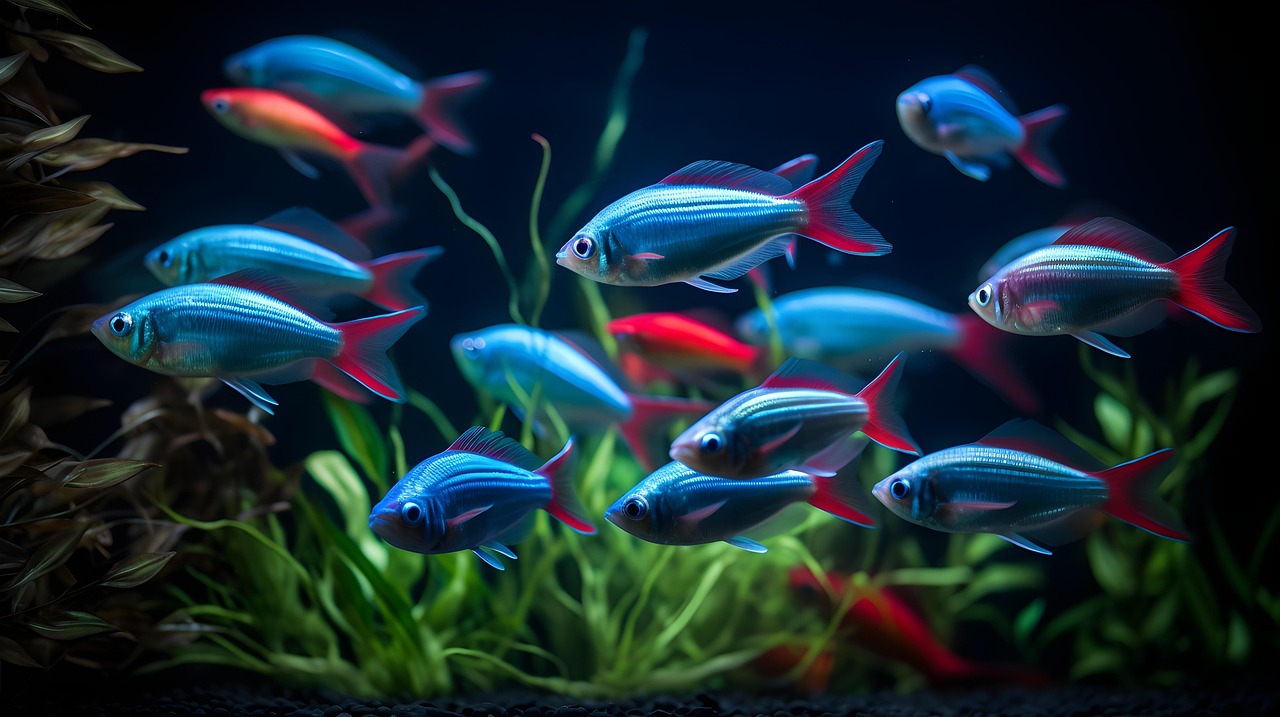
Bright enough to glow under planted tank lighting, Microdevario kubotai is a nano fish that punches well above its size in visual impact. This neon green rasbora care guide from Gensou Aquascaping in Singapore covers the essentials for keeping these tiny jewels thriving. Originally from streams in western Thailand and Myanmar, the neon green rasbora has become a staple in the planted aquarium hobby worldwide. At barely 2 cm, a school of twenty can turn a nano tank into a living emerald.
Taxonomy and Appearance
Despite the common name “rasbora,” Microdevario kubotai belongs to the family Danionidae and is more closely related to danios than true rasboras. Adults reach a maximum of 2–2.5 cm. Their body radiates a neon yellow-green that intensifies dramatically under full-spectrum LED lighting on a dark substrate. Males are slimmer and slightly more vivid, while females carry a rounder belly when conditioned. The colour fades significantly under stress or in bare, brightly lit tanks — a dark background and dense planting bring out their best.
Ideal Tank Setup
A 30-litre nano cube is the minimum for a group of ten, but 45–60 litres allows a larger school and more aquascaping room. Dense planting is key. Stem plants like Rotala rotundifolia and Pogostemon helferi create the kind of lush backdrop against which these fish shine brightest. A carpet of Monte Carlo or dwarf hairgrass completes the look. Current should be gentle — these are stream fish, but not rapids dwellers. A small sponge filter or nano canister on reduced flow works well.
Water Parameters
Aim for pH 6.0–7.0, GH 2–8, and temperature 22–26 °C. Singapore’s tap water is a near-perfect match in terms of softness and acidity — just treat with a quality dechlorinator to neutralise chloramine. The one challenge locally is temperature: ambient room temperature often hits 29–30 °C, which sits above their comfort zone. A clip-on fan dropping the water to 26–27 °C helps, especially in tanks without air conditioning. Consistent parameters matter more than exact numbers.
Feeding Tiny Mouths
Their small mouths dictate food size. Crushed high-quality flake, micro pellets under 0.5 mm, and powdered foods work as staples. Frozen cyclops, baby brine shrimp, and micro worms are excellent supplements that promote colour and breeding condition. Feed twice daily in amounts the school finishes within 90 seconds — leftover food sinks and rots quickly in nano setups, spiking ammonia. A small group of cherry shrimp helps clean up stray particles.
Schooling Behaviour
Neon green rasboras are not tight schoolers like rummy-nose tetras, but they do shoal loosely and feel more confident in larger numbers. Groups below six become shy and hide constantly. At fifteen or more, they swim openly across the mid-water zone, occasionally darting in coordinated bursts. Their small size and non-aggressive nature mean they virtually never bother other fish. Watching a large school drift through a densely planted scape is one of the quieter joys in the hobby.
Tankmate Compatibility
Pair them with equally peaceful nano species. Ember tetras, celestial pearl danios, and pygmy corydoras make excellent companions. Dwarf shrimp — Neocaridina and Caridina species — coexist safely alongside adult M. kubotai, though newborn shrimplets are small enough to be picked off occasionally. Avoid anything large or aggressive: even a moderately sized gourami can stress or eat these tiny fish. Otocinclus catfish are ideal algae crew members that share the same gentle temperament.
Breeding
Breeding occurs readily in well-planted tanks with soft, slightly acidic water. Males display to females with fin-flaring and chasing among fine-leaved plants. Eggs are scattered individually among moss or plant thickets and hatch in roughly 48 hours. The fry are minuscule and need infusoria or commercially prepared liquid fry food for the first week before graduating to micro worms and vinegar eels. Separating eggs or fry into a small rearing container improves survival, as adults will eat them opportunistically.
Where to Find Them in Singapore
Availability fluctuates. Shops along Serangoon North and some Thomson Road outlets occasionally stock Microdevario kubotai, typically priced at $1.50–$3 per fish. Carousell sellers sometimes offer tank-bred groups at slightly lower prices. Because they ship poorly in small numbers, buying locally bred stock tends to yield healthier, better-acclimatised fish. This neon green rasbora care guide should prepare you for keeping one of the hobby’s most underappreciated nano species.
Related Reading



