
Chocolate Shrimp Care Guide: Rich Brown Neocaridina
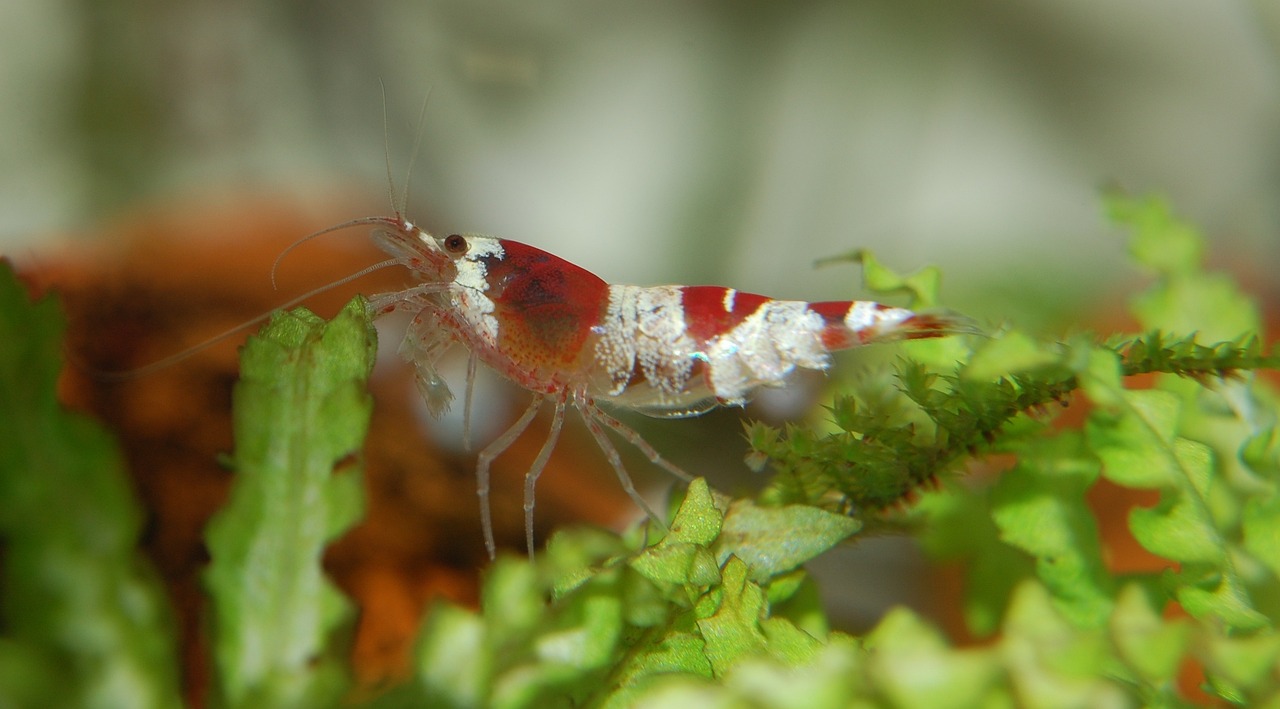
Brown might not be the first colour that excites aquarium hobbyists, yet one look at a high-grade chocolate shrimp changes that perception instantly. These Neocaridina davidi variants display a deep, even cocoa-brown that looks stunning against green plants and light substrates. This chocolate shrimp care guide from Gensou Aquascaping in Singapore covers everything from water parameters to selective breeding for richer colouration. Like all Neocaridina, they are hardy and forgiving — an ideal entry point into serious shrimp keeping.
What Are Chocolate Shrimp?
Chocolate shrimp are a selectively bred colour morph of Neocaridina davidi, the same species that produces cherry reds, blue dreams, and orange sakuras. Their colour ranges from light milk chocolate to near-black espresso depending on grade and lineage. The highest-quality specimens show opaque, uniform brown coverage with no translucent patches on the legs or underside. They share the same care requirements as other Neocaridina variants, making them compatible with most existing shrimp setups.
Tank Setup
A 20-litre nano tank supports a starter colony of fifteen to twenty shrimp. Planted tanks with mosses — Java moss, weeping moss, and flame moss — provide grazing surfaces and shelter for shrimplets. Sponge filters are the standard choice: they offer biological filtration without risking shrimplet intake. An air-driven sponge filter in the $8–$12 range from Shopee does the job perfectly. Substrate matters mainly for aesthetics; chocolate shrimp pop against white sand or bright-coloured gravel, though inert dark substrates work fine too.
Water Parameters
Neocaridina are famously flexible. Target pH 6.5–7.8, GH 4–12, KH 2–8, and temperature 22–28 °C. Singapore’s PUB tap water fits well within these ranges once treated with a dechlorinator that handles chloramine. TDS between 150–300 ppm suits them. Avoid sudden parameter swings more than the exact numbers — Neocaridina tolerate a wide band but struggle with instability. In our tropical climate, ambient tank temperature hovers around 27–29 °C, which is acceptable, though a small fan can bring it down to 25–26 °C for slightly better breeding rates.
Feeding
Chocolate shrimp are omnivorous scavengers. A dedicated shrimp food — Shrimp King, Glasgarten, or Borneo Wild products — provides balanced nutrition. Supplement with blanched spinach, zucchini, and mulberry leaves. Biofilm growing on driftwood, rocks, and plant leaves serves as a constant natural food source, which is why well-matured tanks support larger colonies. Feed sparingly: a portion the colony finishes within two hours, offered every other day, prevents water quality issues. Overfeeding is the single most common mistake in shrimp keeping.
Breeding and Colony Growth
Neocaridina breed readily once settled. Females carry 20–40 eggs in a saddle visible through the carapace, then transfer fertilised eggs to their swimmerets where they fan them for 28–35 days. Shrimplets emerge as miniature adults and are immediately self-sufficient, grazing on biofilm. A colony of twenty can grow to over a hundred within three to four months under good conditions. No special breeding setup is needed — stable parameters, plentiful food, and hiding spots do the work.
Selective Breeding for Colour
To improve chocolate colour intensity over generations, cull or rehome shrimp that display transparent legs, uneven colouration, or wild-type grey-brown tones. Keep only the deepest, most uniformly pigmented individuals as your breeding stock. Avoid mixing chocolate shrimp with other Neocaridina colour variants — they interbreed freely, and offspring revert to wild-type brown-grey within a few generations. Dedicated single-colour colonies produce the most visually striking results.
Tankmates
Shrimp-only tanks produce the best colony growth since there are no predation losses. If you want tankmates, choose carefully: otocinclus catfish, small snails like ramshorns or nerites, and very small, peaceful fish such as Boraras brigittae are safe options. Most fish — even small tetras — will eat newborn shrimplets, slowing colony growth significantly. Dense plant cover and moss thickets improve shrimplet survival in community setups by providing refuge from curious fish.
Common Issues
Failed moults are the primary killer. Low GH deprives shrimp of the calcium and magnesium needed to form new exoskeletons. If you see dead shrimp trapped half-out of their old shell, test GH and supplement with mineral additives like Salty Shrimp GH+ if needed. Planaria and hydra occasionally appear in shrimp tanks — a fenbendazole treatment (Panacur, dosed at 0.1 gram per 10 litres) eliminates both without harming shrimp. This chocolate shrimp care guide should help you build a thriving colony of these rich, earthy-toned Neocaridina in your Singapore setup.
Related Reading
- Amano Shrimp Breeding Challenges: Larval Stages and Saltwater Phase
- How to Breed Amano Shrimp: The Challenging but Rewarding Process
- Amano Shrimp vs Cherry Shrimp: Which Is Better for Your Tank?
- Amano Shrimp vs Otocinclus: Which Algae Crew Wins?
- Aura Blue Shrimp Care Guide: Caridina Cantonensis Blue Morph



