
Melanochromis Johanni Care Guide: Blue and Orange Mbuna
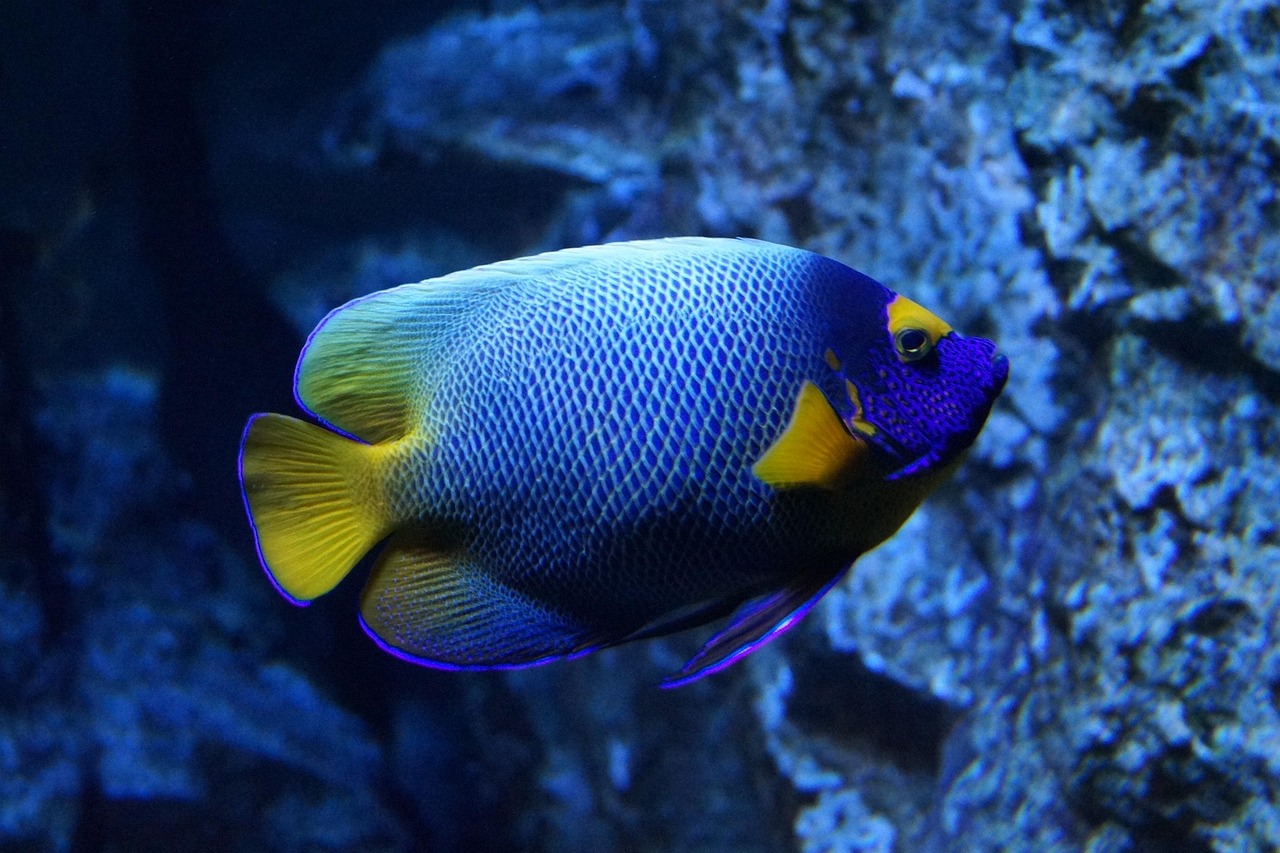
Few mbuna cichlids deliver the colour contrast of Melanochromis johanni. Males glow electric blue while females and juveniles wear bright orange-yellow bars, making a colony look like two entirely different species sharing the same rocks. This melanochromis johanni care guide from Gensou Aquascaping at 5 Everton Park, Singapore, walks you through everything needed to keep these feisty Lake Malawi natives thriving in a tropical home aquarium.
Species Overview and Origin
Melanochromis johanni hails from the rocky southeastern shoreline of Lake Malawi, where it inhabits sediment-free boulder zones at depths of 3 to 10 metres. Adults reach roughly 10-12 cm in captivity. They belong to the mbuna group, a word meaning “rockfish” in the local Tonga language, and their behaviour reflects that label perfectly — territorial, rock-dwelling and always ready to defend a crevice.
Tank Size and Aquascape
A minimum 200-litre aquarium suits a single-species colony of one male to three or four females. Longer tanks work better than tall ones because johanni defend horizontal territory along the substrate. Stack plenty of limestone or ocean rock to create distinct caves and line-of-sight breaks. In Singapore, you can source suitable rock at the Serangoon North Avenue 1 shops for around $3-8 per kilogram. A sandy aragonite substrate of 2-3 cm depth rounds out the natural look while buffering pH upward.
Water Parameters
Singapore’s PUB tap water is soft and slightly acidic, essentially the opposite of Lake Malawi chemistry. You will need to raise both hardness and pH. Aim for a pH of 7.8-8.4, GH of 10-18 and KH of 6-10. Cichlid buffer salts or a coral chip bag in the filter handle this reliably. Temperature is straightforward — 24-28 °C is ideal, and our ambient room temperature of 28-30 °C usually sits right in range, so a heater is rarely necessary. A small clip-on fan can help on especially hot afternoons if your tank creeps above 30 °C.
Diet and Feeding
Johanni are omnivores that lean herbivorous in the wild, scraping aufwuchs — the biofilm of algae, microorganisms and tiny invertebrates — from rock surfaces. Offer a quality spirulina-based cichlid pellet as the staple, sized 1-2 mm for sub-adults and 2-3 mm for adults. Supplement twice a week with blanched spinach, frozen brine shrimp or daphnia. Avoid high-protein foods like bloodworm as a regular meal; mbuna digestive tracts are long and poorly suited to rich fare, and overfeeding protein often triggers bloat.
Aggression and Tank Mates
There is no sugarcoating it: M. johanni ranks among the more aggressive mbuna. Males relentlessly chase subordinate males and unreceptive females. Keeping a ratio of one male to at least three females spreads aggression. If you want a mixed mbuna community, choose species of a different colour pattern — Labidochromis caeruleus (yellow labs) or Pseudotropheus saulosi work well because colour differences reduce territorial confusion. Avoid mixing johanni with similarly barred blue species like Melanochromis cyaneorhabdos, as hybridisation and constant fighting are almost guaranteed.
Breeding in the Home Aquarium
Johanni are maternal mouthbrooders. A receptive female picks up the fertilised eggs and incubates them in her buccal cavity for roughly 18-21 days. During this period she will not eat, so ensuring females are well-conditioned beforehand matters. Broods typically number 15-30 fry. You can strip the fry at day 14 into a separate 20-litre grow-out container if predation pressure in the main tank is high. Feed the fry crushed spirulina flake and baby brine shrimp from day one.
Common Health Issues
Malawi bloat is the primary concern. Symptoms include swollen abdomen, loss of appetite and white stringy faeces. It is usually linked to poor diet, stress or deteriorating water quality. Maintain nitrate below 20 ppm through weekly 30-40% water changes. Treat early cases with metronidazole at 250 mg per 40 litres. Ich can also appear after temperature swings, but raising the tank to 30 °C for three days alongside half-dose salt treatment (1 tablespoon per 20 litres) typically resolves it without medication.
Is Melanochromis Johanni Right for You?
If you enjoy bold colour and even bolder personality, johanni deliver on both fronts. They are not a beginner’s first fish, but any hobbyist comfortable with moderate aggression management will find them rewarding. With the right rockwork, correct water chemistry and a sensible stocking ratio, a johanni colony can be one of the most visually striking displays in your home. For personalised advice on setting up a Malawi tank in Singapore’s conditions, the team at Gensou Aquascaping is always happy to help.
Related Reading



