
Tatia Catfish Care Guide: Tiny Nocturnal Woodcat
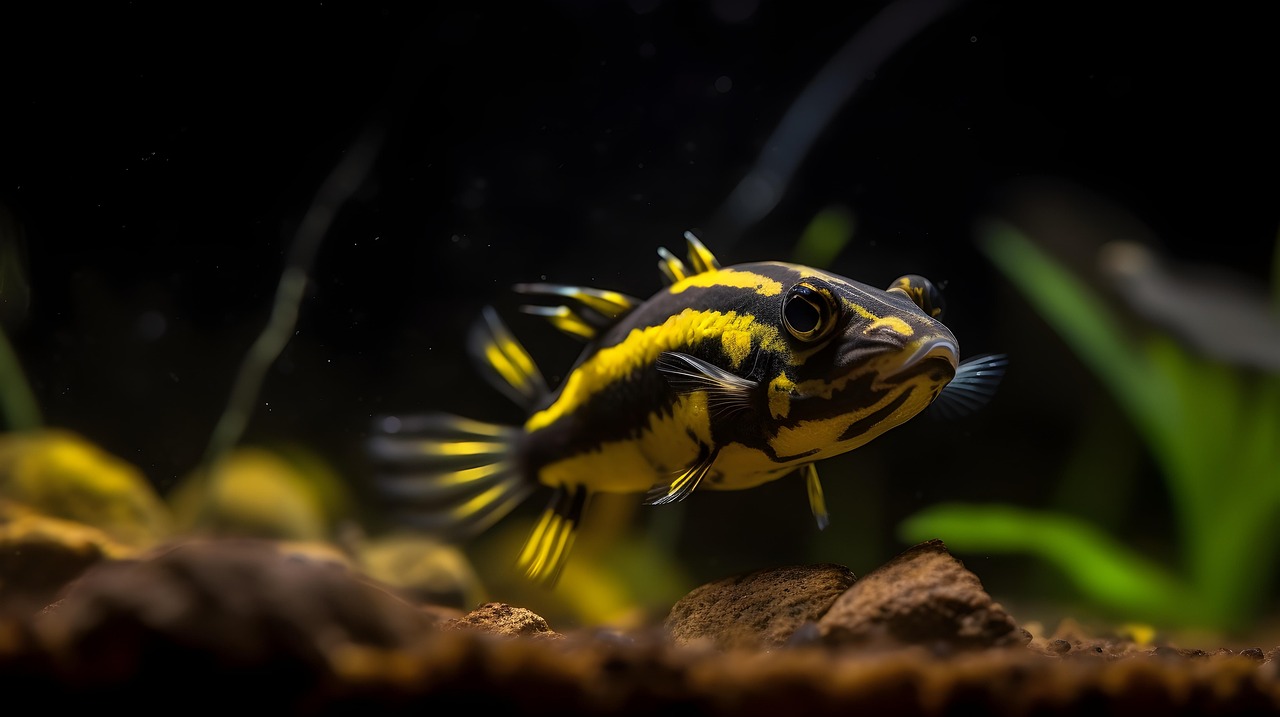
Tucked inside a piece of driftwood by day and darting out to hunt at night, Tatia catfish are among the hobby’s most charming miniature oddities. These tiny woodcats rarely exceed 6-8 cm, yet they display complex social behaviours and even internal fertilisation — unusual among catfish. This tatia catfish care guide from Gensou Aquascaping at 5 Everton Park, Singapore, helps you provide the right environment for these secretive nocturnal gems.
Species Overview
The genus Tatia belongs to the family Auchenipteridae, commonly known as driftwood catfish or woodcats. The most frequently kept species are Tatia perugiae (the honeycomb woodcat) and Tatia galaxias (the starry woodcat). Both originate from slow-moving blackwater streams in the Amazon basin. Adults typically reach 5-8 cm, making them ideal for nano and small community tanks. They are peaceful, shy and almost entirely nocturnal — expect to see them only once the lights go out.
Tank Requirements
A group of three to five Tatia can thrive in a 60-litre aquarium. The single most important furnishing is driftwood with natural crevices and hollows. Malaysian driftwood, spider wood or mopani with holes and tight gaps works perfectly — each fish will claim a hiding spot during the day. Dark substrate such as fine black sand or ADA Amazonia completes the blackwater aesthetic and encourages the fish to feel secure. Floating plants like Salvinia or Amazon frogbit dim the light naturally and reduce stress.
Water Parameters
Tatia prefer soft, slightly acidic water: pH 6.0-7.0, GH 2-8 and temperature of 24-28 °C. Singapore’s PUB tap water at GH 2-4 and neutral pH is a comfortable starting point. Adding Indian almond leaves or a handful of dried hardwood leaves gently lowers pH and tints the water amber, replicating their natural habitat. Our room temperature of 28-30 °C sits at the upper end of their range — perfectly manageable, though a small fan helps during heat waves if the tank exceeds 30 °C.
Feeding the Night Shift
Since Tatia are strictly nocturnal feeders, always offer food after lights-out. Frozen bloodworm, daphnia and cyclops are eagerly accepted. Small sinking pellets designed for catfish work as a convenient staple — Hikari Micro Wafers or similar 1-2 mm discs are a good size. Live blackworms dropped near their driftwood hideout trigger an immediate feeding response, even from the shyest individuals. Feed modest portions every other day; these small catfish have proportionally low metabolic needs and overfeeding dirties the water unnecessarily.
Social Behaviour and Tank Mates
Tatia are gregarious among their own kind and less secretive when kept in groups. A trio is the minimum, with five or more being ideal. They ignore virtually all other fish, making them excellent community citizens. Pair them with small peaceful species — ember tetras, harlequin rasboras, pygmy corydoras and small rasboras all share similar water preferences. Avoid large or aggressive tank mates that might bully them out of their hiding spots. Shrimp are generally safe with adult Tatia, though tiny shrimplets may occasionally be picked off at night.
Breeding: Internal Fertilisation
Tatia are among the few catfish that practise internal fertilisation. The male’s modified anal fin (a gonopodium-like structure) transfers sperm to the female during a brief embrace. The female then deposits fertilised eggs — usually 30-60 — in a secluded spot among driftwood or plant roots. Eggs hatch in about four days. Fry are miniature versions of the adults and accept baby brine shrimp immediately. Breeding often happens spontaneously in well-maintained tanks with stable water chemistry, especially after a large cool water change simulating a rain event.
Health and Common Issues
Tatia are generally robust when water quality is maintained. Their main vulnerability is sensitivity to dissolved pollutants — ammonia and nitrite must remain at zero, and nitrate below 20 ppm. Because they hide during the day, health problems can go unnoticed until advanced. Check on them during nighttime feeding, looking for weight loss, fin erosion or unusual skin patches. Treat bacterial infections early with Seachem Kanaplex at half dose, as small catfish can be sensitive to full-strength medication.
A Hidden Gem for Nano Setups
Tatia catfish reward patient aquarists who enjoy watching their tanks come alive after dark. Their tiny size, peaceful nature and fascinating reproductive biology make them standout residents for blackwater nano setups. If you are building a Southeast Asian or Amazonian blackwater aquascape and want advice on suitable species and hardscape, the team at Gensou Aquascaping in Singapore is always available to help plan your layout.
Related Reading



