
How to Breed Corydoras Sterbai: Sticky Eggs and Cool Water Triggers
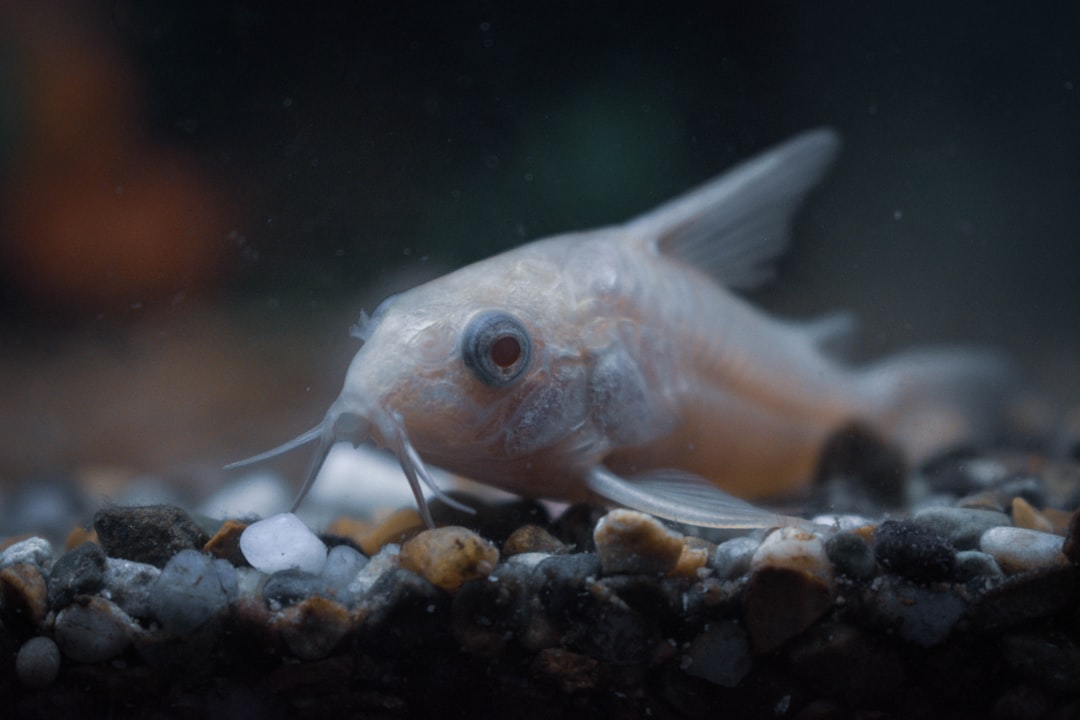
Watching a group of Corydoras sterbai scatter dozens of sticky eggs across aquarium glass is one of the most satisfying moments in the fishkeeping hobby. This breed corydoras sterbai guide from Gensou Aquascaping at 5 Everton Park, Singapore, walks you through conditioning, spawning triggers, egg care, and fry survival. Sterbai are among the more temperature-tolerant corydoras, making them particularly well-suited to Singapore’s warm climate.
Why Sterbai Are Ideal for Breeding
Corydoras sterbai tolerate temperatures up to 28°C comfortably — higher than most corydoras species, which often struggle above 26°C. In a Singaporean home without a chiller, your ambient tank temperature of 27-30°C works in your favour rather than against it. Sterbai are also prolific once conditioned, with experienced females producing 80-150 eggs per spawn. Their bold white spots on a dark body and striking orange pectoral fins make both parents and fry visually appealing.
Conditioning the Breeding Group
Start with a group of at least six — ideally two males per female, though sexing juveniles requires patience. Females are noticeably rounder when viewed from above, especially when full of eggs. Feed heavily with high-protein frozen foods: bloodworms, blackworms, daphnia, and grindal worms are all excellent choices. Condition for two to three weeks, feeding three times daily. You will notice females plumping visibly as eggs develop.
The Cool Water Trigger
Corydoras breeding is famously triggered by simulating the onset of the rainy season. Perform a large 50-70% water change using water 3-5°C cooler than the tank — around 23-24°C works well. Drop the temperature gradually over 30-60 minutes rather than shocking the fish. Simultaneously lower the barometric pressure association by doing this change in the evening. Many breeders report spawning activity beginning within 12-24 hours of a cool water change, often during the night or early morning.
Spawning Behaviour
Males chase the female vigorously around the tank in a characteristic “T-position” embrace, where the female presses her snout against the male’s abdomen to receive sperm. She then cups a small batch of 2-5 eggs in her pelvic fins and places them on a clean surface — usually the aquarium glass, broad plant leaves, or a sponge filter. This sequence repeats dozens of times over several hours. Providing smooth, clean surfaces encourages proper egg placement.
Egg Care and Fungus Prevention
Sterbai eggs are adhesive and remarkably tough. Gently roll them off the glass with a finger or a credit card and transfer them to a separate hatching container — a 5-litre plastic tub with an airstone works perfectly. Add a few drops of methylene blue to prevent fungal growth, which is the primary threat to eggs. Maintain the water at 26-27°C. Fertile eggs turn a darker tan colour within 24 hours, while infertile ones go white and should be removed promptly. Hatching occurs in approximately four to five days.
Raising the Fry
Newly hatched fry absorb their yolk sac over two to three days, after which they need first foods. Microworms and vinegar eels are ideal starter feeds, as they wriggle along the bottom where corydoras fry naturally forage. After one week, introduce freshly hatched baby brine shrimp for faster growth. Perform daily 20% water changes in the fry container using aged, temperature-matched water. Growth is steady — expect the fry to reach 1.5-2 cm by six weeks.
Common Mistakes to Avoid
Skipping the conditioning period is the most frequent error. Without adequate protein loading, females may not develop enough eggs to trigger a proper spawn. Another mistake is using gravel substrate in the breeding tank — corydoras barbels are delicate, and sharp gravel can cause infections that reduce breeding fitness. Use fine sand or a bare bottom. Finally, do not leave eggs in the community tank. Adult fish, including the parents, will eat them within hours.
Selling and Sharing Fry Locally
Sterbai fry are in consistent demand in Singapore’s hobbyist community. Once juveniles reach 2-3 cm at around eight to ten weeks, they are ready for new homes. List them on Carousell or in local Facebook aquarist groups — juvenile sterbai typically sell for $3-$5 each. Breeding a breed corydoras sterbai colony at home is not only rewarding but can offset the cost of your hobby nicely, all while contributing healthy, locally raised stock to the community.
Related Reading
- How to Breed Corydoras Panda: Conditioning, Spawning and Fry Care
- How to Breed Pygmy Corydoras: Micro Cory Spawning in Nano Tanks
- How to Breed Pygmy Corydoras: Tiny Eggs on Glass and Leaves
- How to Breed Amano Shrimp: The Challenging but Rewarding Process
- How to Breed Assassin Snails: Slow but Steady Reproduction



