
How to Breed Honey Gouramis: Bubble Nests and Fry Care
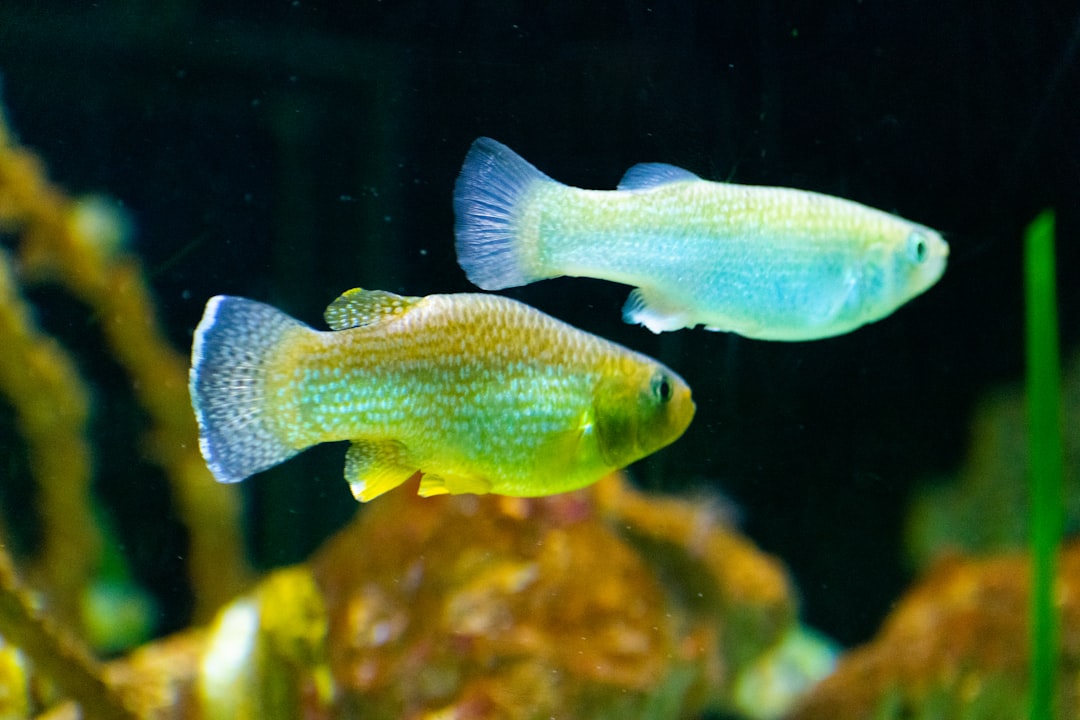
Honey gouramis (Trichogaster chuna) are gentle labyrinth fish that build delicate bubble nests at the water surface, making their breeding behaviour a genuine spectacle. This breed honey gourami guide from Gensou Aquascaping at 5 Everton Park, Singapore, takes you through every stage, from sexing adults to raising free-swimming fry. With soft water straight from the tap and warm ambient temperatures, Singapore hobbyists are well placed to breed this charming species at home.
Sexing Honey Gouramis
Males in breeding condition display a rich golden-orange body with a dark navy throat and ventral area. Females remain pale honey-yellow with a brown lateral stripe. Outside of breeding season, both sexes look similar, which leads to frequent mis-sexing at the shop. Look for the dorsal fin shape: males have a slightly pointed dorsal tip, while females have a rounded one. Purchase a group of six to ensure you get both sexes, then let them pair naturally.
Conditioning and Triggering Spawning
Separate males and females for ten to fourteen days and feed generously with live or frozen daphnia, bloodworms, and brine shrimp. Slightly lower the water level in the breeding tank to 15-20 cm and raise the temperature to 28 °C. These conditions simulate the onset of the monsoon season, which is the natural breeding trigger. Soft, slightly acidic water at pH 6.0-7.0 and GH 2-8 is ideal. Singapore tap water, once treated for chloramine, fits this profile with minimal adjustment.
Breeding Tank Setup
Use a 40-60 litre tank with a tight-fitting lid. The lid is crucial: labyrinth fish fry need warm, humid air above the water surface to develop their labyrinth organ properly. Add floating plants like Salvinia, Limnobium laevigatum, or water lettuce to anchor the bubble nest. A few clumps of Java moss or Ceratophyllum near the bottom give the female somewhere to retreat. Filtration should be an air-driven sponge filter on its lowest setting to avoid disturbing the nest.
Bubble Nest Building and Spawning
Introduce the conditioned female to the male’s tank in the evening. Within a day or two, the male constructs a bubble nest among the floating plants, blowing mucus-coated air bubbles into a raft 5-10 cm across. He then displays beneath the nest with fins spread wide, coaxing the female underneath. During the embrace, the male wraps his body around the female and she releases eggs, which he catches and places into the nest. This process repeats over one to two hours, producing 200-400 eggs in total.
Post-Spawn Care
Remove the female immediately after spawning concludes, as the male becomes aggressively protective of the nest. He tends the eggs alone, retrieving any that fall and repairing the bubble raft. Eggs hatch in 24-36 hours at 28 °C. The tiny fry hang vertically from the nest for another two days before becoming free-swimming. Once the fry scatter from the nest and swim horizontally, remove the male to prevent him from eating them.
Feeding and Raising Fry
First food is infusoria or commercially available liquid fry food for the initial five to seven days. The fry are small but not as minuscule as some nano species, so the transition to baby brine shrimp can happen by day seven to ten. Feed small amounts four times daily, removing uneaten food with a pipette. Growth is steady: fry reach 1 cm within a month and begin showing colour at six to eight weeks. Maintain the water level at 15 cm until the fry develop their labyrinth organ at roughly three weeks of age, then gradually increase depth.
Common Breeding Challenges
Infertile eggs are the most common frustration and usually stem from insufficient conditioning or water that is too hard. If the male repeatedly builds nests but eggs turn white within 12 hours, check your GH and pH. Strong surface agitation from filters or air pumps destroys bubble nests before spawning can occur, so keep water movement minimal. Temperature fluctuations from air-conditioning cycling on and off at night can also disrupt breeding behaviour. A small heater set to 28 °C provides consistency even in cooled rooms.
Related Reading
- How to Breed Chocolate Gouramis: Mouthbrooding and Blackwater Tips
- Honey Gourami vs Dwarf Gourami: Temperament, Size and Hardiness
- How to Breed Licorice Gourami: Blackwater Mouthbrooders
- How to Breed Pearl Gouramis: Bubble Nests and Fry Raising
- How to Breed Sparkling Gouramis: Bubble Nests in Nano Tanks



