




How to Aquascape for a Pearl Gourami Tank: Surface and Shelter
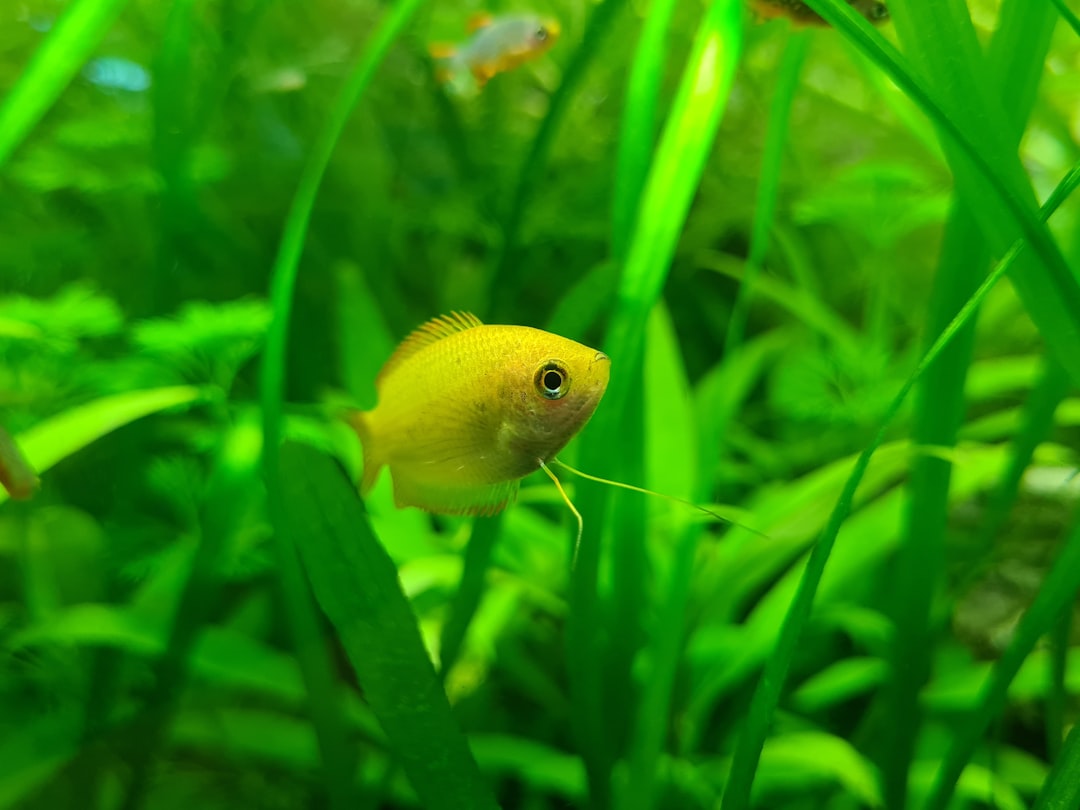
Pearl gouramis are among the most beginner-friendly labyrinth fish in the hobby, but giving them an environment where they genuinely thrive — rather than merely survive — requires thoughtful design. An aquascape for a pearl gourami tank must address two competing needs: open surface access for the labyrinth organ, and dense mid-water cover where these naturally shy fish feel secure. At Gensou Aquascaping in Everton Park, Singapore, we find that pearl gouramis kept in well-planted tanks with appropriate surface structure display colours and behaviours rarely seen in sparse setups.
Understanding Pearl Gourami Behaviour
Trichopodus leerii inhabit slow-moving, heavily vegetated streams and swamps across peninsular Malaysia, Sumatra, and Thailand — environments with abundant floating plants, submerged roots, and almost no current. They are labyrinth fish, breathing atmospheric air from the surface, so they make repeated trips to the top of the tank throughout the day. Males become territorial during spawning, constructing bubble nests at the surface beneath floating plant cover. Females are less aggressive but still prefer the security of dense mid-water planting. An aquascape that ignores these behaviours produces shy, pale fish.
Surface Plant Coverage: The Most Important Element
Floating or surface-reaching plants transform a pearl gourami tank. Frogbit (Limnobium laevigatum) is the easiest option — it grows quickly, provides excellent diffused light below, and creates the natural surface mat that gouramis bubble-nest beneath. Water sprite (Ceratopteris thalictroides) grown floating rather than rooted is another popular choice, with its feathery fronds filtering surface light beautifully. Cover about 40–60% of the surface area; leaving open channels between floating plant islands allows surface access and prevents CO2 buildup in excessively stagnant areas. In Singapore’s warm climate, floating plants grow fast — trim them weekly to maintain balance.
Mid-Water and Background Planting
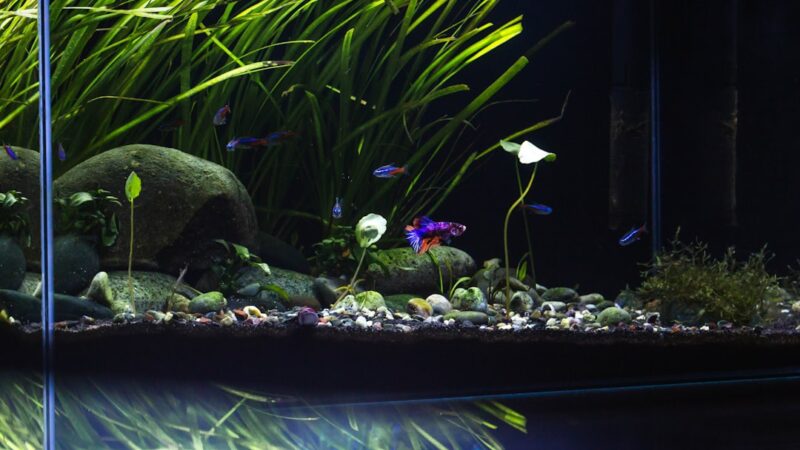
Dense background planting serves two purposes: it creates visual security for fish and absorbs nitrates. Vallisneria spiralis or Vallisneria americana works well as a tall background plant that sways gently in low current — a natural-looking movement that pearl gouramis seem to find reassuring. Hygrophila polysperma and Bacopa monnieri are tough, fast-growing stem plants suited to the slightly soft, warm water of a pearl gourami tank. For the midground, Cryptocoryne wendtii in brown or green varieties provides broad leaves under which fish can shelter. Avoid sharp-leaved plants — pearl gouramis occasionally brush against vegetation, and their flowing fins can snag.
Hardscape: Driftwood and Minimal Stone
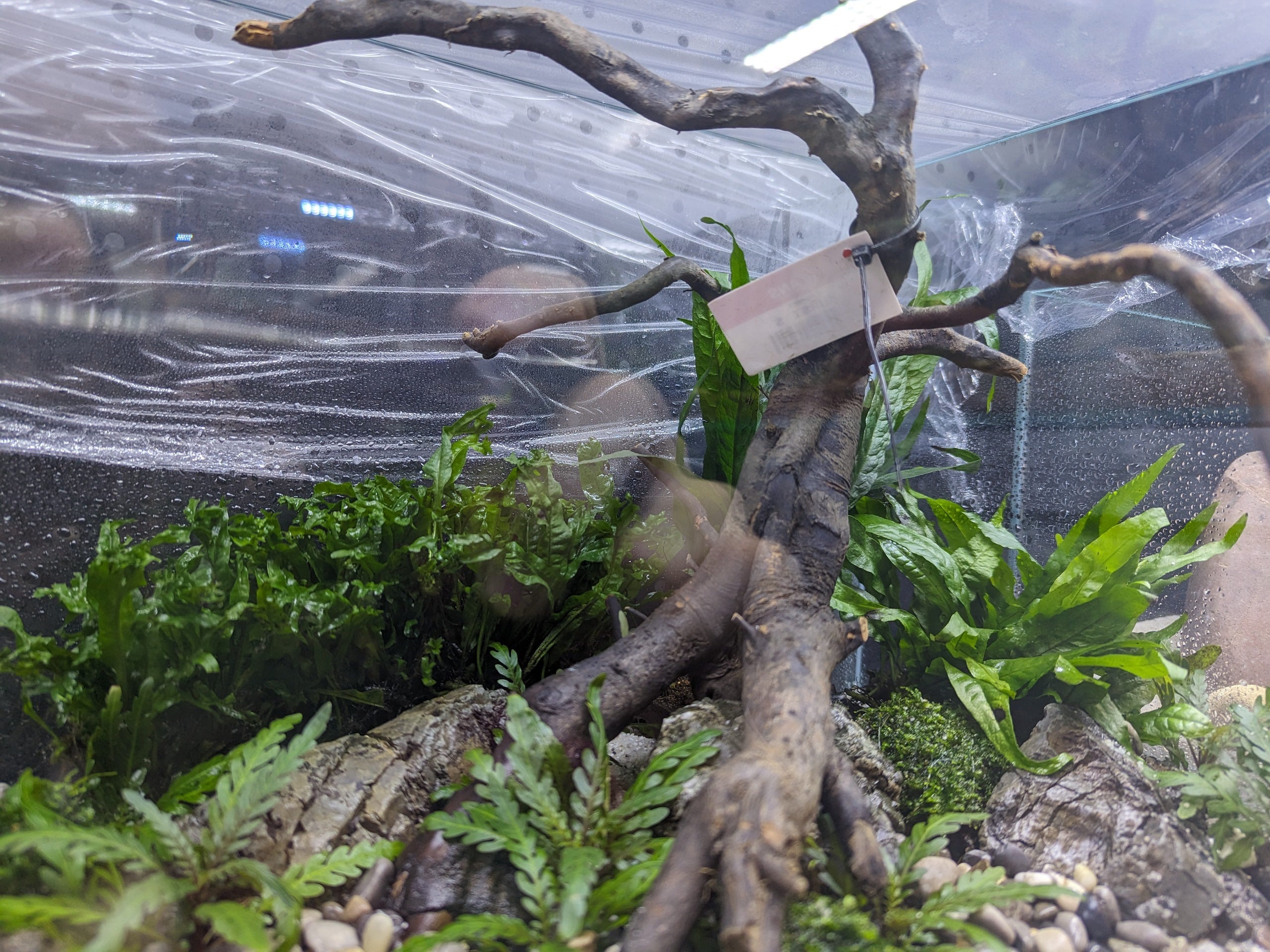
Driftwood is the primary hardscape element for this biotope-inspired scape. Large pieces of spider wood or Malaysian driftwood create branching structures that break sightlines and provide shelter points at multiple tank heights. Submerged roots and branches also naturally lower pH through tannin release — beneficial for this species, which prefers slightly acidic water at pH 6.5–7.2. Stone is less central to this design than in Nature Aquarium or Iwagumi styles; if used, choose smooth rounded stones rather than angular hardscape. Attaching Anubias or Microsorum to driftwood adds greenery without needing substrate.
Water Parameters and Current
Target pH 6.5–7.5, GH 4–8, temperature 24–28°C — Singapore’s tap water is a natural fit without significant adjustment. The critical parameter is current: pearl gouramis cannot tolerate strong flow. Filtration should be gentle — a sponge filter or a canister filter with a reduced flow rate output via a spray bar or lily pipe oriented to circulate rather than blow across the tank. Strong current is the single most common reason pearl gouramis fail to display natural behaviour in aquariums. If fish are constantly swimming against or hiding from the output, reduce flow immediately. Aim for total tank volume turnover of 3–5× per hour, not the 8–10× recommended for high-energy species.
Tankmates That Work
Pearl gouramis are peaceful and can be bullied by nippy species. Suitable companions include small tetras like Hyphessobrycon pulchripinnis (lemon tetras) and Pristella maxillaris (X-ray tetras), corydoras catfish for the bottom level, and otocinclus for algae management. Avoid tiger barbs, serpae tetras, and any species known for fin-nipping. Keep pearl gouramis in pairs or a trio (one male, two females) to distribute male attention during breeding periods. A 60–90 litre tank is the practical minimum for a pair; a 120 litre provides comfortable space for a community setup.
Lighting for This Aquascape
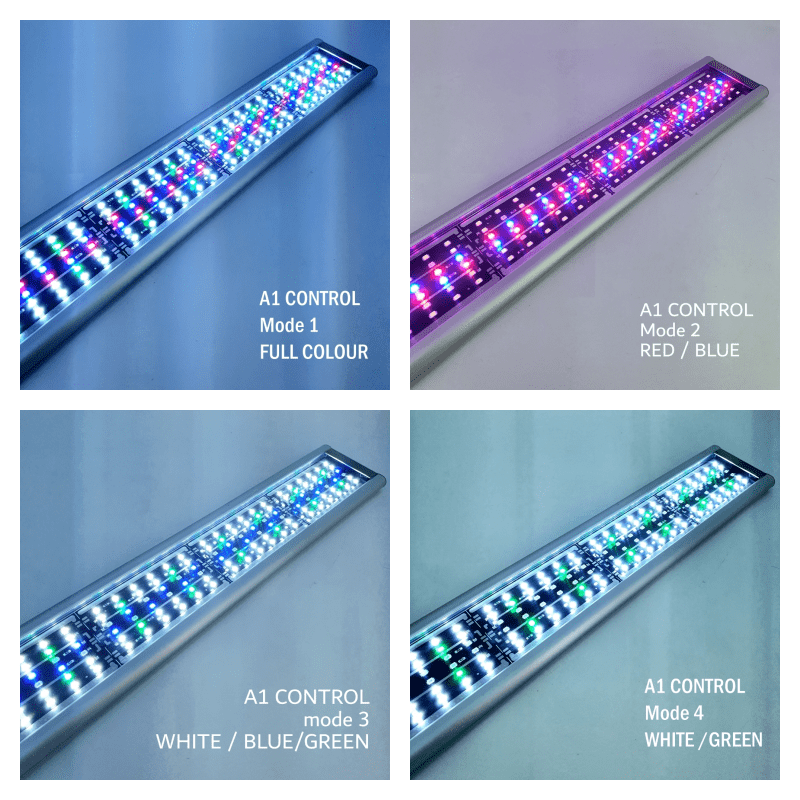
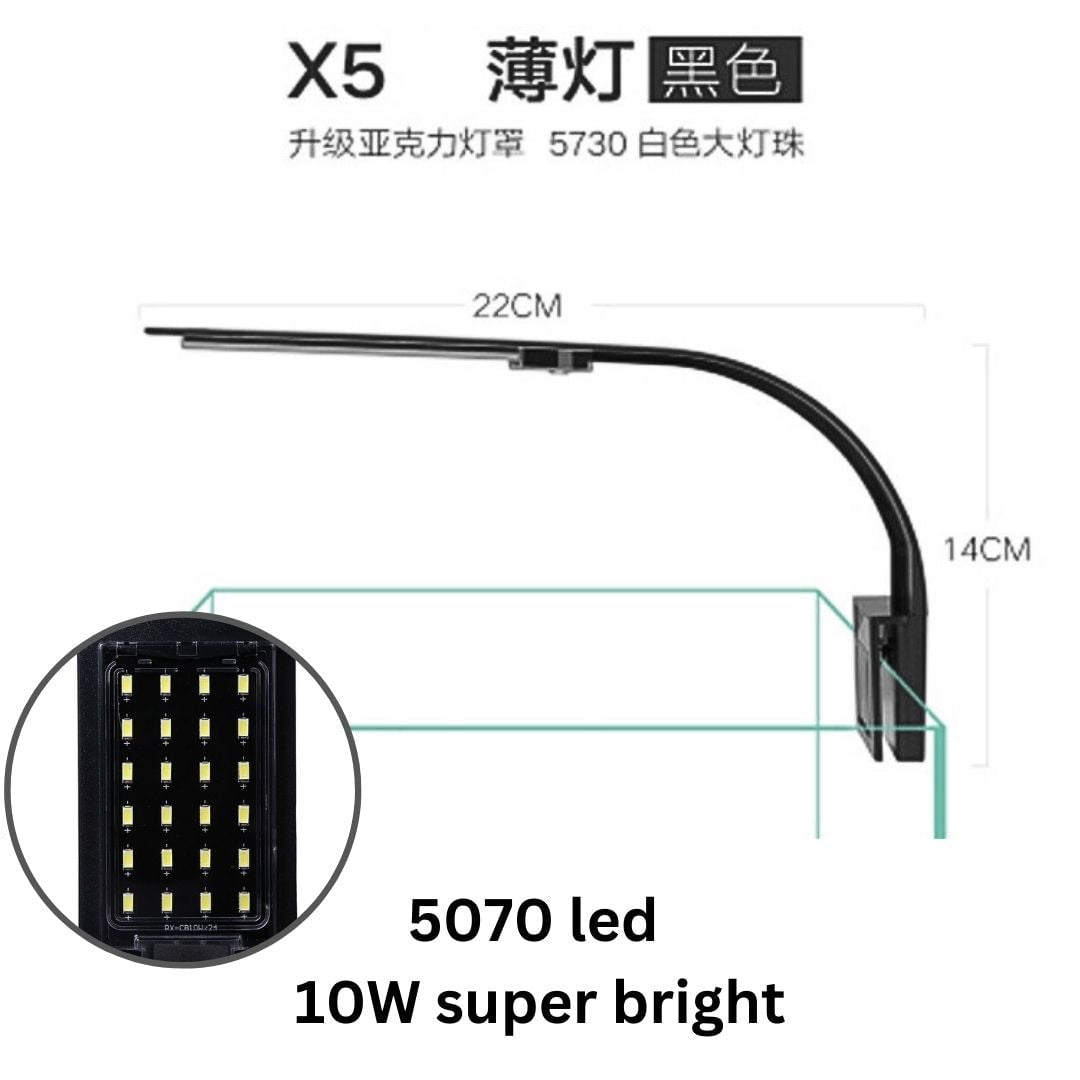
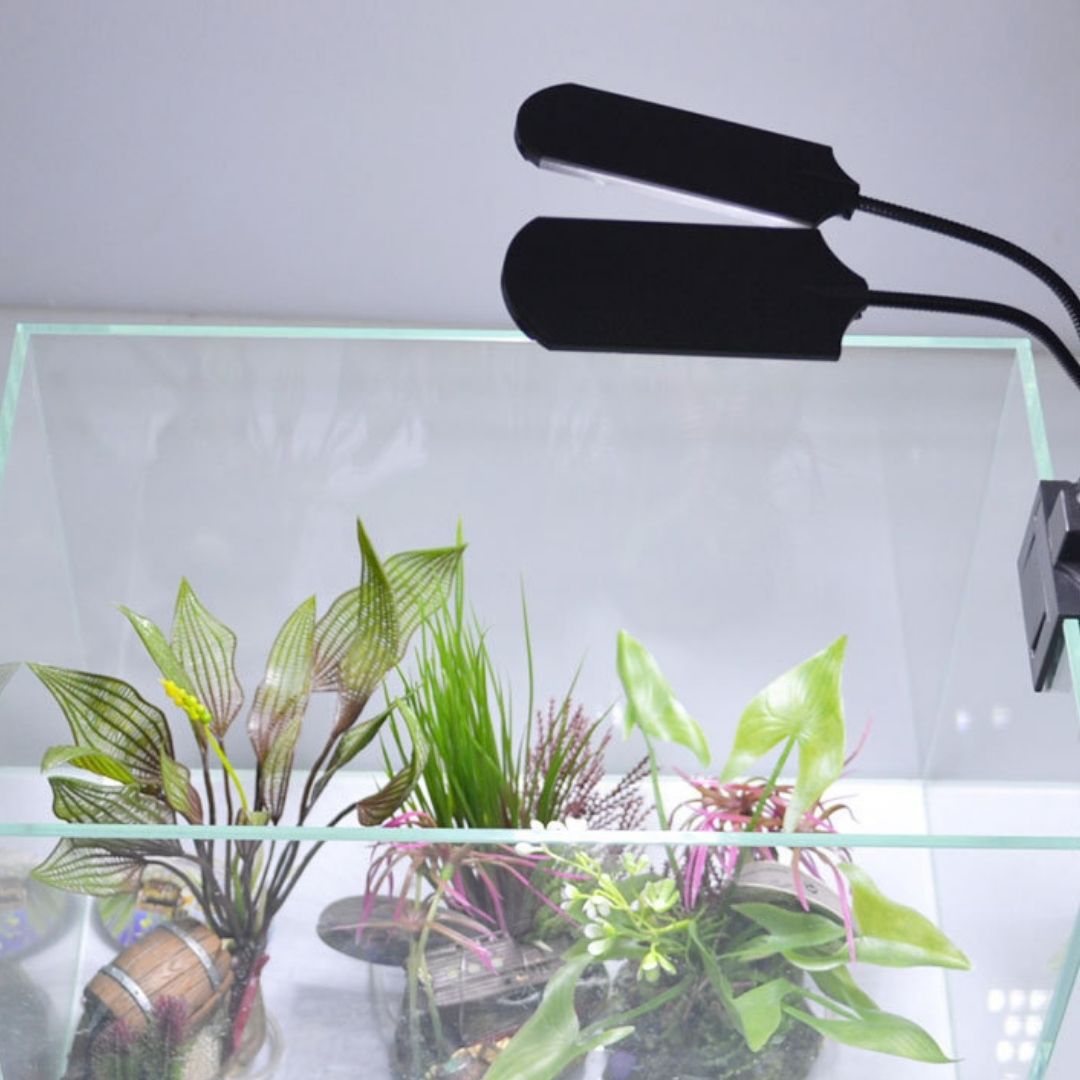
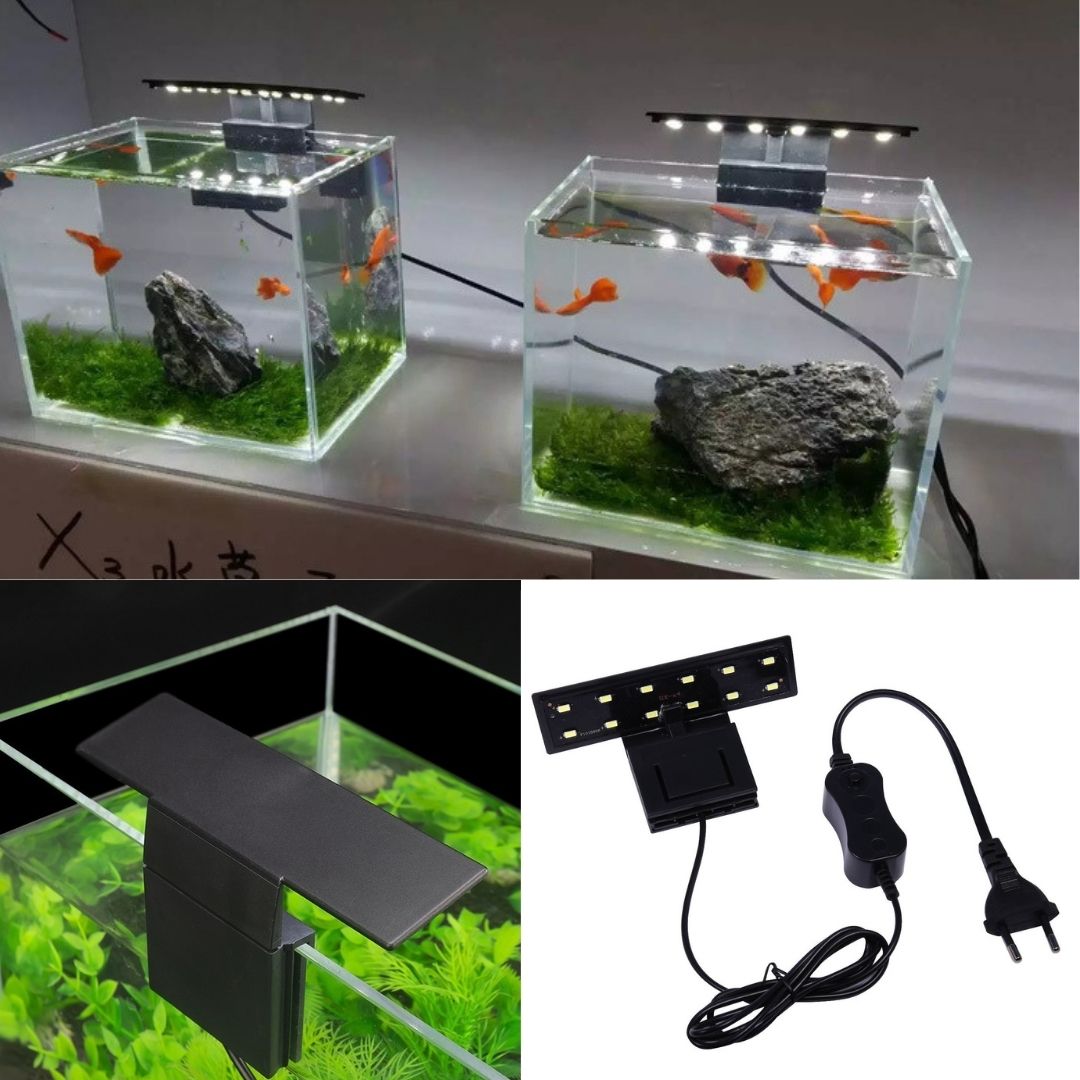
Moderate light suits pearl gourami tanks and the plants that populate them. A PAR of 30–60 µmol/m²/s at substrate level supports all the species mentioned without requiring CO2 injection or demanding maintenance. Diffused lighting through floating plant coverage creates a dappled, natural-looking effect at lower tank levels — exactly the visual outcome to aim for. An eight-hour photoperiod is sufficient; longer periods with this plant load risk algae outcompeting the slower-growing midground plants. The soft, indirect light that reaches mid-water through the floating layer mimics overcast rainforest stream conditions and visibly calms fish behaviour.
Related Reading