
Ramshorn Snail Colour Genetics: Blue, Pink, Red and Leopard Morphs
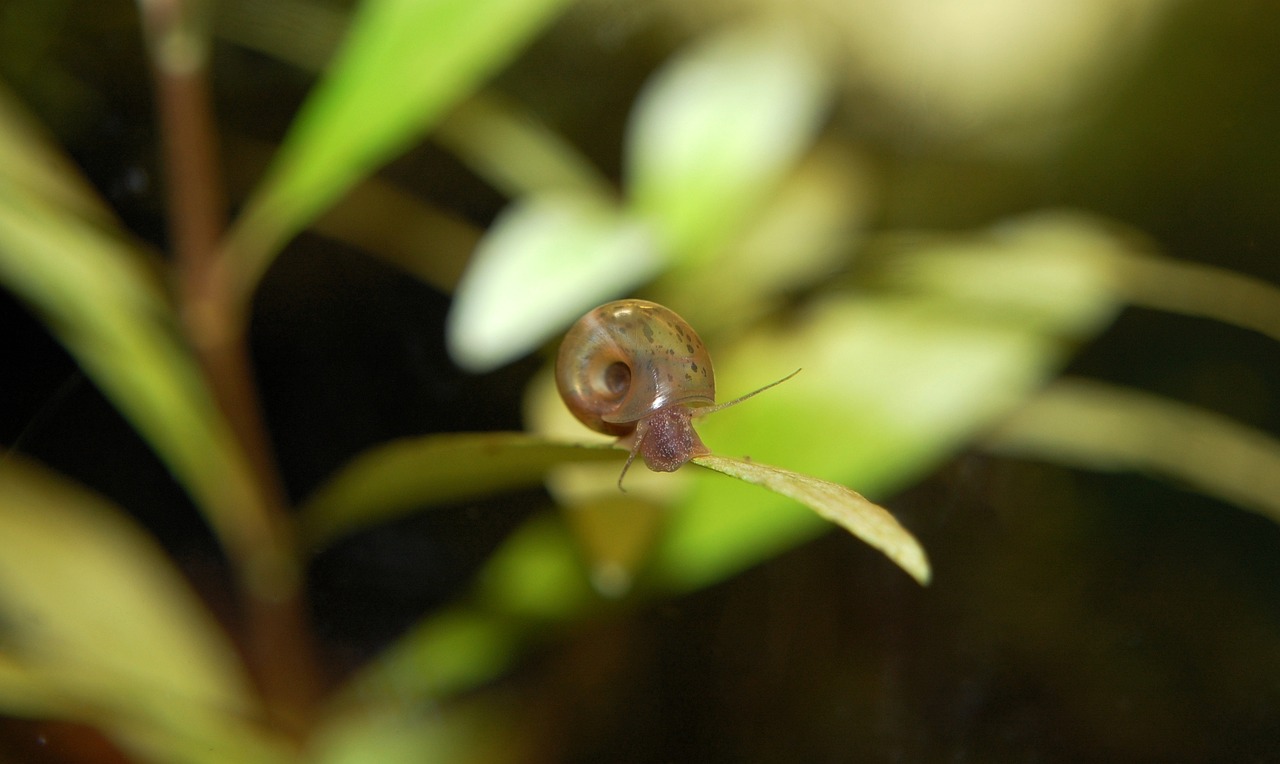
Ramshorn snails are often dismissed as pests, but dedicated breeders know they come in a dazzling array of colour morphs. From translucent blue to vivid pink, deep red, and the striking leopard pattern, selective breeding of these prolific snails is a rewarding micro-hobby in its own right. This ramshorn snail colour genetics guide from Gensou Aquascaping at 5 Everton Park, Singapore, explains the genetics behind each morph and how to breed for your favourite colours.
Basic Colour Genetics
Ramshorn snail colour is determined by two main factors: shell colour and body colour. Shell pigmentation ranges from brown (wild-type) to red, and body colour is either dark (wild-type with melanin) or translucent (lacking melanin). The interaction between these two traits produces the colour morphs hobbyists recognise. Both traits follow relatively simple Mendelian inheritance, though polygenetic modifiers add some variation.
The Four Major Colour Morphs
Red ramshorns have a red shell with dark body pigment, giving an overall deep crimson appearance. Pink ramshorns combine a red shell with a translucent body, creating a soft rosy hue. Blue ramshorns carry a brown shell over a translucent body, producing a cool blue-grey tone. Leopard ramshorns display dark spots or patches on a lighter shell background, a pattern influenced by additional modifier genes that are less well understood.
Wild-type ramshorns have brown shells and dark bodies, the standard pond snail appearance most people encounter.
Breeding for Specific Colours
Crossing two red ramshorns produces predominantly red offspring, as the red shell and dark body traits breed fairly true. To produce pink offspring, cross red-shelled snails that carry the recessive translucent body gene. Pairing two pinks reliably yields all-pink clutches. Blue ramshorns require the translucent body gene combined with brown shell genetics; crossing two blues gives consistent blue offspring.
Leopard morphs are trickier. The spotting pattern appears to involve modifier genes that vary in expression. Breeding two leopards together increases the proportion of spotted offspring, but expect variation in pattern density and coverage across each clutch.
Setting Up a Selective Breeding Colony
Keep each colour morph in a separate container. A 10-15 litre plastic tub with a sponge filter works perfectly and fits easily in an HDB flat. Ramshorns are hermaphrodites but still require a partner to reproduce. Start with five to ten snails of the same morph. They breed prolifically; egg clutches appear on hard surfaces every few days, each containing 10-30 eggs that hatch in two to three weeks at 27 °C.
Remove any off-colour juveniles early. Consistent culling across three to four generations tightens the colour expression significantly.
Water and Feeding for Strong Shells
Healthy shell development demands calcium. Singapore’s PUB tap water is naturally soft at GH 2-4, which can lead to thin, eroded shells over time. Add a piece of cuttlebone, crushed coral, or a calcium supplement to maintain GH around 6-8 for a snail-focused setup. pH of 7.0-7.5 supports calcium uptake.
Feed blanched vegetables like spinach, courgette, and carrot along with algae wafers. Protein supplements such as fish pellets once or twice a week promote growth and egg production. Overfeeding accelerates population growth beyond what most people want, so feed conservatively.
Controlling Population
The biggest concern with ramshorns is explosive reproduction. Remove egg clutches weekly if you want to limit numbers. Alternatively, keep assassin snails (Clea helena) in the main display tank to naturally regulate ramshorn populations. Excess snails make excellent live food for pufferfish and loaches, or sell well on Carousell for $0.50-2 each depending on morph and grade.
Common Shell Problems
White, pitted, or eroded shells indicate calcium deficiency. Thin shells crack easily and expose the snail to infection. Address this immediately by raising GH and adding direct calcium sources. Brown or black shell erosion sometimes results from acidic water below pH 6.5 dissolving the calcium carbonate structure. Maintaining stable alkaline conditions prevents deterioration.
Integrating Ramshorns into Planted Tanks
Despite their pest reputation, ramshorns are excellent clean-up crew members that consume decaying plant matter, uneaten food, and soft algae without damaging healthy plants. A small, controlled population of colour-selected ramshorns adds visual interest to any aquascape. Gensou Aquascaping Singapore often recommends blue or pink ramshorns as functional and decorative additions to planted setups, provided population is managed through feeding restraint and occasional thinning.
Related Reading



