
Pygmy Sunfish Care Guide: Elassoma Species for Nano Tanks
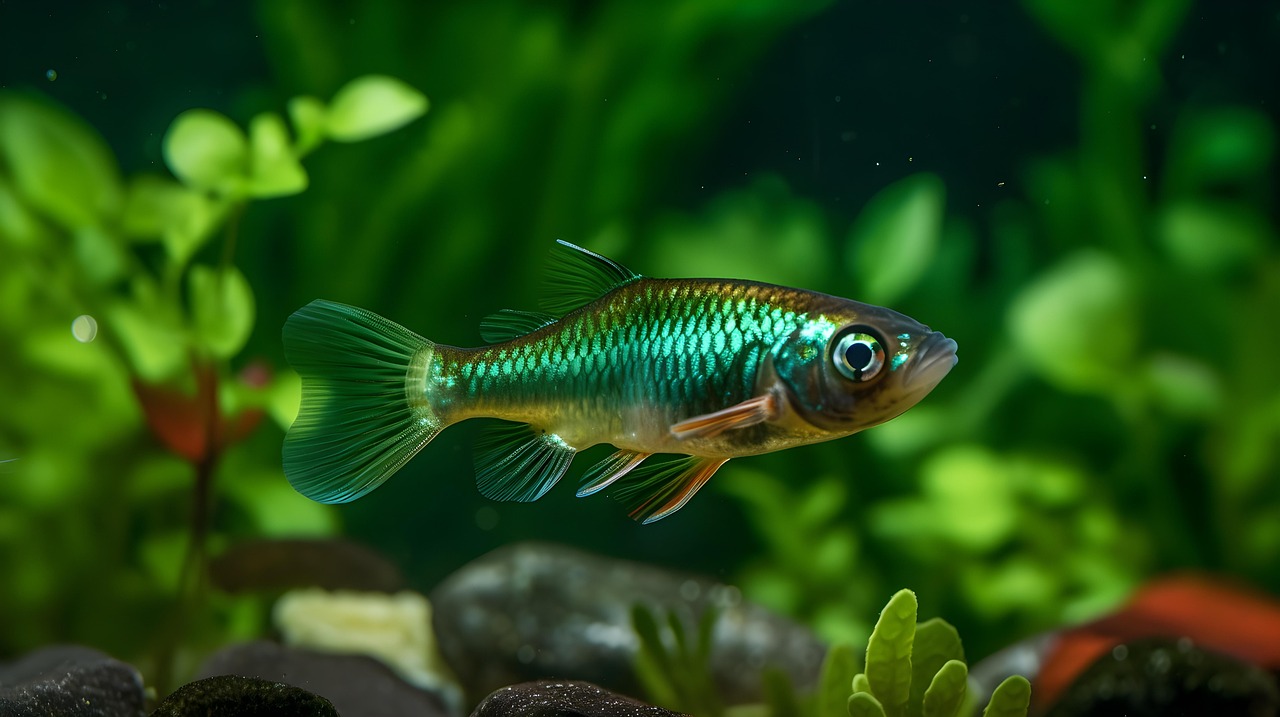
Rarely seen but utterly captivating, pygmy sunfish of the genus Elassoma are among the smallest and most jewel-like freshwater fish available to nano tank enthusiasts. Males in breeding colour display electric blue and black spangling that rivals any marine fish. This pygmy sunfish elassoma care guide from Gensou Aquascaping at 5 Everton Park, Singapore, covers the essentials of keeping these micro-predators happy in planted nano setups.
Species Overview
Elassoma species max out at 2-3 cm, making them true nano fish. The most commonly available species in the hobby are E. evergladei (Everglades pygmy sunfish), E. gilberti (Gulf Coast pygmy sunfish), and E. okefenokee. Despite being called sunfish, they are not related to the large North American sunfish family; recent taxonomy places them in their own family, Elassomatidae.
Males develop intense nuptial colours during breeding season: midnight blue to black bodies covered in shimmering turquoise spots. Females remain olive-brown with subtle banding.
Tank Size and Layout
A single pair thrives in a tank as small as 15-20 litres. Dense planting is absolutely critical; pygmy sunfish are ambush predators that rely on vegetation for cover, hunting, and territory establishment. Java moss, Riccia, Ceratophyllum, and fine-leaved stem plants create the ideal environment. Leave some open patches near the front for viewing, but the tank should feel like an underwater meadow.
Subdued lighting brings out the best colours and encourages natural behaviour. Floating plants help diffuse light effectively.
Water Parameters and Temperature
Here is where Singapore keepers face a challenge. Most Elassoma species prefer cooler water of 18-24 °C, well below Singapore’s ambient room temperature of 27-30 °C. A chiller or fan-cooled tank is necessary to maintain temperatures in the low twenties. E. evergladei is the most heat-tolerant species, surviving up to 26-27 °C, making it the most practical choice for local hobbyists who want to minimise cooling equipment.
Soft, slightly acidic water suits them well. PUB tap water at GH 2-4 and pH 6.5-7.0 after dechloramination is appropriate. These fish are sensitive to water quality; keep ammonia and nitrite at zero and nitrates below 10 ppm with regular small water changes.
Feeding: Live Food Is Essential
Pygmy sunfish are strict micro-predators. They rarely, if ever, accept dry or frozen foods. Live daphnia, baby brine shrimp, grindal worms, and micro worms are the dietary staples. Without a consistent live food supply, these fish will slowly starve.
Culturing live food at home is practically a requirement. Fortunately, Singapore’s warm climate makes daphnia, micro worm, and brine shrimp cultures easy to maintain. A single daphnia culture in a 5 litre container produces enough food for a pair of pygmy sunfish indefinitely. Feed small amounts twice daily; their tiny stomachs empty quickly.
Behaviour and Social Structure
Males are territorial but not aggressively so in a well-planted tank. They claim a patch of moss or dense vegetation and display to passing females with flared fins and intensified colour. Multiple males can coexist in larger tanks of 40 litres or more with adequate visual barriers. Watching a male court a female, shimmering and posturing among the plant stems, is one of the quiet joys of nano fishkeeping.
Breeding Pygmy Sunfish
Spawning happens readily in established tanks. Males entice females into dense moss or fine-leaved plants where eggs are deposited singly or in small clusters. There is no parental care after spawning. Eggs hatch in three to five days at 22 °C, and fry are minuscule, requiring infusoria or paramecium cultures for the first week before moving to vinegar eels and then baby brine shrimp.
Fry grow slowly, reaching adult size in about four months. Separate grow-out containers help prevent predation by adult fish.
Compatible Tank Mates
Given their tiny size and need for cool water, tank mate options are limited. Other small, peaceful species that tolerate cooler temperatures work best: Boraras rasboras, small Corydoras like C. habrosus, and dwarf shrimp. Cherry shrimp coexist well, though newly born shrimplets may be eaten. Avoid any fish large enough to view pygmy sunfish as prey.
Sourcing in Singapore
Pygmy sunfish are uncommon in local shops but appear periodically through specialist importers and hobbyist circles. Expect to pay $10-20 per fish depending on species and sex. Carousell and local aquarium forums are the most reliable sources. Gensou Aquascaping Singapore can help connect you with breeders and advise on the right species for your setup and cooling capacity.
Related Reading
- How to Breed Pygmy Corydoras: Micro Cory Spawning in Nano Tanks
- How to Breed Pygmy Corydoras: Tiny Eggs on Glass and Leaves
- Pygmy Corydoras Care Guide: The Tiniest Catfish for Nano Tanks
- Pygmy Corydoras Tank Mates: Tiny Bottom Dwellers Need Gentle Friends
- Pygmy Hatchetfish Care Guide: Surface Dwellers That Fly



