
Galaxy Pinto Shrimp Breeding Guide: Caridina Hybrid Patterns
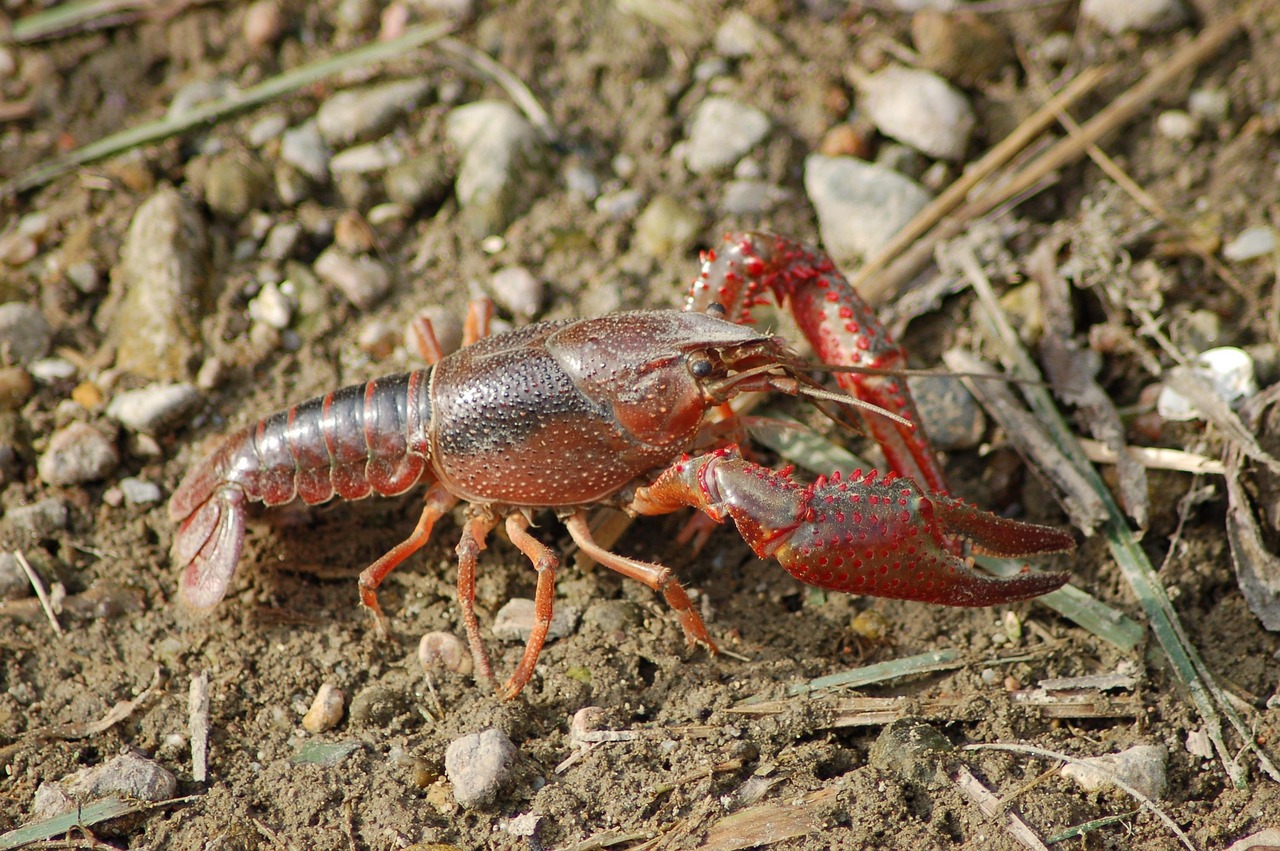
Galaxy pinto shrimp represent the cutting edge of Caridina selective breeding, combining bold white patches with starry spotted patterns that make each individual unique. These hybrid shrimp command premium prices and fascinate breeders who enjoy the unpredictability of genetic expression. This galaxy pinto shrimp breeding guide from Gensou Aquascaping at 5 Everton Park, Singapore, walks you through the genetics, water requirements, and selection strategies needed to breed these spectacular invertebrates.
What Are Galaxy Pinto Shrimp
Galaxy pintos are hybrid Caridina shrimp derived from crosses between Taiwan bee shrimp (black king kong, red wine, panda) and tiger shrimp lineages. The “galaxy” pattern refers to scattered white spots or speckles across a dark base colour, reminiscent of a starfield. “Pinto” indicates larger white patches with sharp, clean margins against the dark background. Combining both patterns produces galaxy pintos with complex, high-contrast markings.
No two galaxy pintos look identical. This visual diversity is part of their appeal, though it also makes grading and selective breeding more nuanced than with standard Neocaridina colour morphs.
Water Parameters for Caridina Hybrids
Galaxy pintos require the same buffered soft water as other Caridina species. Use an active buffering substrate like ADA Amazonia, SL-Aqua, or Brightwell to maintain pH 5.8-6.5 and KH 0-1. Remineralise RO or distilled water with a Caridina-specific GH product like Salty Shrimp GH+ to reach TDS 100-130 and GH 4-6.
Singapore’s PUB tap water is too high in chloramine and KH for Caridina breeding, so most serious breeders invest in an RO unit. A compact four-stage RO system costs around $100-200 on Shopee or Lazada and pays for itself quickly. Temperature should stay at 22-25 °C; a clip-on fan helps during Singapore’s warmer months when room temperatures push past 28 °C.
Tank Setup for Breeding
A 30-45 litre tank is ideal for a breeding colony of 15-20 shrimp. Use active substrate to a depth of 3-4 cm, add a mature sponge filter, and plant generously with mosses, Bucephalandra, and Anubias. Biofilm-covered surfaces are critical; shrimp graze continuously, and a well-established tank with driftwood and leaf litter supports far better breeding success than a sterile setup.
Indian almond leaves and alder cones provide tannins and supplementary biofilm. Replace leaves as they decompose fully, typically every two to three weeks.
Genetics and Pattern Selection
Galaxy pinto genetics are complex because they involve multiple gene interactions from the Taiwan bee and tiger lineages. Breeding two galaxy pintos together produces a range of offspring: some with strong galaxy spotting, others with dominant pinto patches, and some with intermediate patterns. Expect roughly 20-30% of each clutch to meet high-grade standards.
Select breeders with the specific pattern traits you want to emphasise. If you prefer dense galaxy spotting, choose parents with the most abundant and evenly distributed spots. For bold pinto markings, select individuals with the sharpest white-to-dark transitions. Consistency improves over three to five generations of disciplined selection.
Feeding for Colour and Vitality
Rotate between a premium shrimp food like Shrimp King, Glasgarten, or Borneo Wild products. Supplement with blanched mulberry leaves, spirulina powder, and occasional protein from snowflake food or dried shrimp. Feed sparingly; a tiny portion every other day prevents water quality issues. Overfeeding is a common mistake that leads to bacterial blooms and crashes in Caridina tanks.
Breeding Cycle and Fry Care
Females carry 15-30 eggs for about 28-30 days at 24 °C. Berried females should not be disturbed. Shrimplets emerge as miniature versions of the adults and immediately begin grazing on biofilm. No special fry food is needed if the tank is well-established, though a light dusting of powdered food every few days supports faster growth.
Juvenile patterns develop gradually over three to four moults. You cannot accurately grade a galaxy pinto until it reaches about 1 cm, which takes roughly six to eight weeks.
Common Problems and Solutions
Failed moults are the primary killer. Maintain stable GH and avoid sudden parameter swings during water changes. Bacterial infections manifest as milky or opaque patches on the shell; improve water quality immediately and reduce feeding. Planaria and hydra occasionally appear and threaten shrimplets; fenbendazole-based treatments like No Planaria are effective and shrimp-safe when dosed correctly.
Pricing and Community in Singapore
High-grade galaxy pintos sell for $15-50 each in Singapore depending on pattern quality. The local Caridina breeding community is active on Facebook groups and Carousell, making it relatively easy to source quality stock and exchange breeding tips. Gensou Aquascaping Singapore encourages new breeders to start with a proven colony from a reputable local hobbyist rather than imported shrimp, which face additional stress from shipping and acclimatisation.
Related Reading
- Amano Shrimp Breeding Challenges: Larval Stages and Saltwater Phase
- Fire Red Cherry Shrimp Selective Breeding: From Sakura to Painted
- Galaxy Fishbone Shrimp Care Guide: Pattern Royalty
- Vampire Shrimp Feeding and Breeding Guide: Atya Gabonensis Tips
- How to Breed Amano Shrimp: The Challenging but Rewarding Process



