
Assassin Snail vs Pest Snails: How Effective Are They Really?
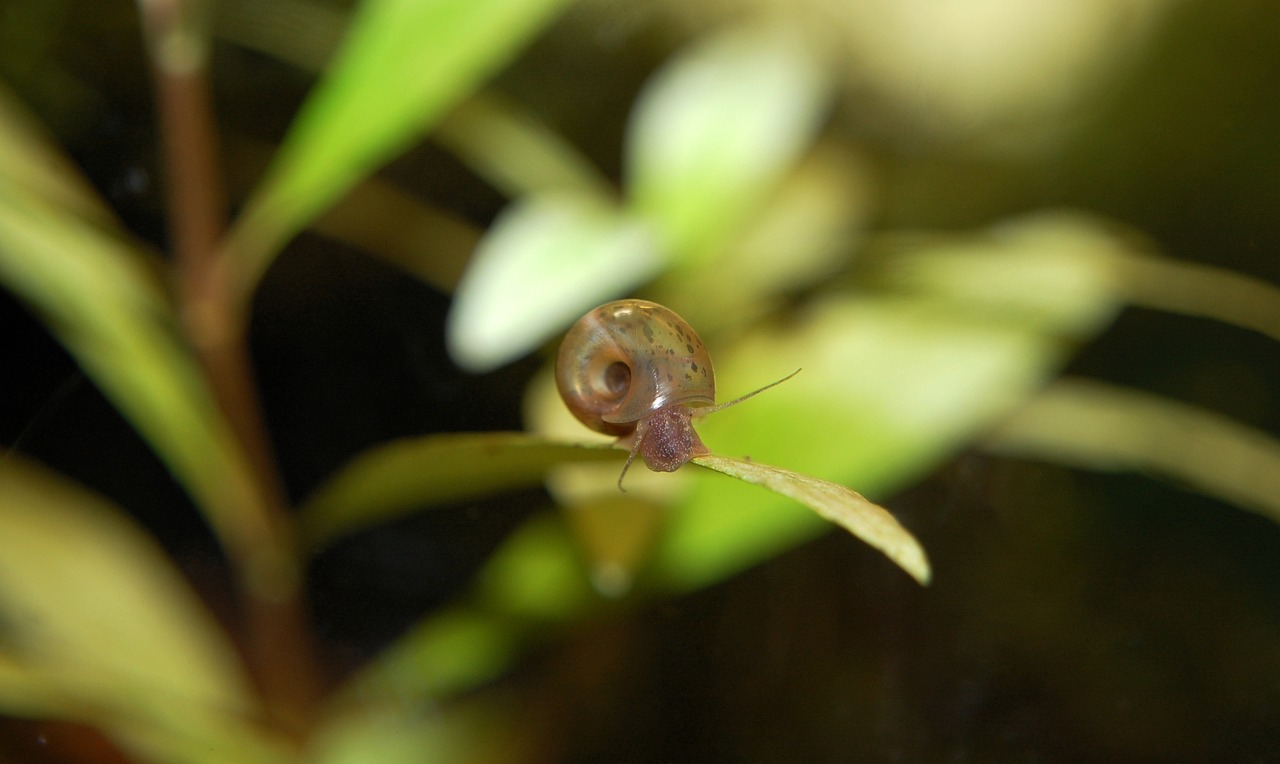
A pest snail explosion is one of the most common complaints among planted tank keepers in Singapore. Bladder snails, Malaysian trumpet snails, and ramshorn snails seem to appear from nowhere, multiplying faster than you can remove them by hand. The assassin snail vs pest snails guide question comes up constantly, and the answer is more nuanced than most sellers suggest. Here at Gensou Aquascaping, 5 Everton Park, Singapore, we have tested this biological control method across dozens of client tanks.
How Assassin Snails Hunt
Anentome helena, the assassin snail, is a carnivorous freshwater snail native to Southeast Asia. It buries itself in substrate and ambushes prey by extending a proboscis into the shell of smaller snails. A single kill can take several hours. Assassin snails are not fast, dramatic predators — they are slow, patient hunters that work around the clock.
They prefer soft-shelled prey like bladder snails and small ramshorns. Larger Malaysian trumpet snails with thick operculums are harder targets and often survive encounters, especially if they are full-grown.
Realistic Effectiveness Timeline
Drop three assassin snails into a 60-litre tank overrun with bladder snails, and you will not see results overnight. Expect a gradual reduction over four to eight weeks. The pest population shrinks slowly as assassins pick off one or two snails per day each. During this period, pest snails continue breeding, so the decline curve is gentle rather than dramatic.
In heavily infested tanks, you may need five to six assassins per 60 litres for meaningful control. Understocking assassins is the most common reason keepers conclude they do not work.
Which Pest Snails Are Easiest to Control
Bladder snails (Physella acuta) are the most vulnerable. Their thin shells and small adult size make them easy prey. Pond snails (Lymnaea species) are similarly susceptible. Ramshorn snails fall in the middle — juveniles are readily consumed, but large adults can sometimes resist attack.
Malaysian trumpet snails (Melanoides tuberculata) are the toughest to eliminate. Their trapdoor operculum and burrowing habits make them difficult for assassins to access. You will reduce their visible numbers but rarely achieve complete eradication.
Stocking Numbers and Tank Size
A practical starting ratio is one assassin snail per 10-15 litres of tank volume for moderate infestations. For severe outbreaks, increase to one per 8 litres. In a standard 120-litre planted tank, eight to twelve assassins working together will produce noticeable results within a month.
Assassin snails available at Singapore fish shops typically cost $1.50-3 each, making a squad of ten a modest investment of $15-30. Check shops around Serangoon North or browse Carousell for hobbyist-bred specimens, which are often cheaper.
What Happens After Pest Snails Are Gone
Once the food supply dwindles, assassin snails slow their reproduction and switch to scavenging. They will eat leftover fish food, biofilm, and any dead organisms they find. Some keepers worry about assassins turning on ornamental snails like nerites — this does happen occasionally, particularly if the assassins are starving. Remove assassins or supplement their diet with protein-rich sinking pellets if you keep decorative snails.
Assassin snails breed slowly compared to pest species, producing single eggs in small capsules on hard surfaces. You will not end up with an assassin snail infestation.
Alternative and Complementary Methods
Manual removal remains effective alongside assassins. A blanched lettuce leaf left overnight attracts dozens of pest snails for easy removal the next morning. Reducing feeding quantity cuts the food supply that drives pest snail reproduction. In planted tanks, balancing fertilisation prevents the excess organic waste that fuels population booms.
Chemical treatments containing copper will kill snails but also harm shrimp and sensitive plants. Avoid these in planted or invertebrate tanks entirely.
Are Assassin Snails Worth It?
For bladder and pond snail infestations, absolutely. They provide reliable, low-maintenance biological control that does not disrupt your aquascape or harm fish. For Malaysian trumpet snails, set realistic expectations — population reduction rather than elimination. This assassin snail vs pest snails guide bottom line: combine assassins with reduced feeding and manual removal for the most effective results in any Singapore planted tank.
Related Reading



