
Stiphodon Goby Feeding Guide: Algae Grazers and Biofilm Diet
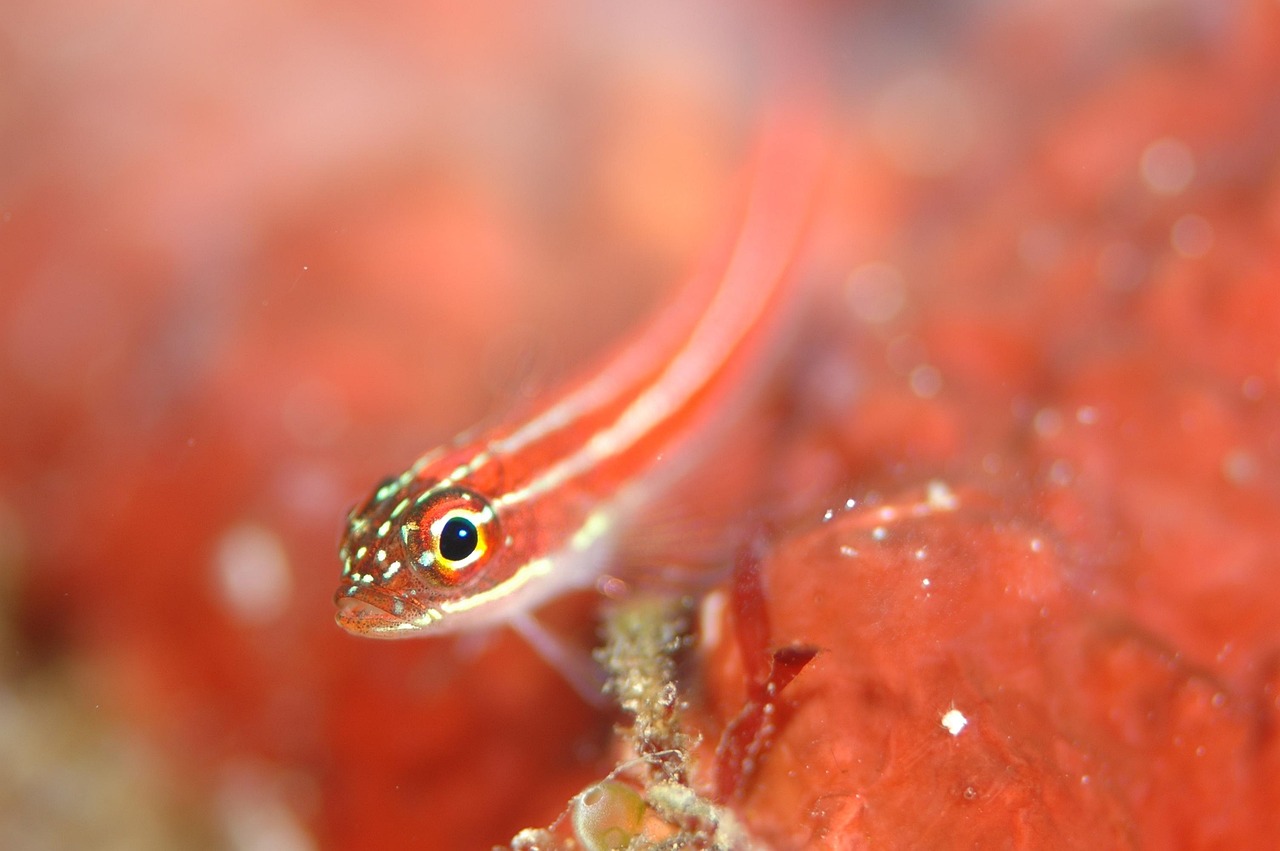
Stiphodon gobies are among the most beautiful freshwater fish available in Singapore, yet they have a frustrating reputation for wasting away in captivity. The problem is almost always diet. This stiphodon goby feeding guide from Gensou Aquascaping at 5 Everton Park, Singapore, explains what these specialist grazers actually need and how to provide it consistently in a home aquarium.
What Stiphodon Gobies Eat in the Wild
In their native streams across Southeast Asia and the Pacific Islands, Stiphodon species graze constantly on biofilm — a thin layer of algae, bacteria, and microorganisms coating rocks and pebbles. They are not traditional algae eaters in the way plecos are. Instead, they rasp at surfaces with specialised mouthparts, consuming the entire microbial community rather than just visible green algae.
This distinction matters enormously for captive care. A tank that looks clean may actually be starving your gobies.
Establishing Biofilm in Your Tank
Biofilm develops naturally on hard surfaces exposed to light and nutrients. Smooth river pebbles, slate tiles, and glass surfaces all support biofilm growth. Place additional rocks in your tank — the more surface area, the more grazing territory for your gobies. Moderate lighting (6-8 hours daily) encourages a healthy diatom and green biofilm layer without promoting nuisance algae.
New tanks lack mature biofilm. Cycle your aquarium for at least six to eight weeks before introducing stiphodon gobies. Rushing this step is the primary cause of early starvation deaths.
Supplementary Foods That Work
Even a well-established tank may not produce enough biofilm for multiple gobies. Supplement with Repashy Soilent Green or similar gel foods designed for algae grazers. Smear a thin layer on a rock and place it in the tank — gobies will graze on it just as they would natural biofilm. Blanched courgette (zucchini) slices and cucumber rounds offer additional nutrition, though not all individuals accept them immediately.
Spirulina wafers crushed into powder and dusted onto wet rocks can also work. The key is presenting food on surfaces rather than dropping pellets into the water column, which these bottom-dwelling fish largely ignore.
Foods to Avoid
Standard carnivore pellets, bloodworms, and tubifex have minimal nutritional value for stiphodon gobies. While they might nibble at protein-rich foods occasionally, their digestive systems are optimised for plant matter and microorganisms. Feeding primarily meaty foods leads to nutritional deficiencies despite the fish appearing to eat.
Algae wafers from budget brands often contain high proportions of fish meal as the first ingredient. Read the label — plant-based ingredients should dominate.
How Many Gobies Per Tank
Overstocking relative to available grazing surface is the second biggest mistake after inadequate biofilm. One stiphodon goby per 30-40 litres is a conservative starting point. In a heavily rocked 120-litre tank with mature biofilm, four to five gobies can coexist comfortably. Males are territorial and will spar over prime grazing spots, so provide distinct rock clusters separated by open sand.
In Singapore, stiphodon gobies typically sell for $8-15 each depending on species and colouration. Stiphodon atropurpureus and Stiphodon ornatus are among the more commonly available species locally.
Water Conditions for Healthy Grazing
Stiphodon gobies come from clean, oxygen-rich streams. Strong filtration and good flow are essential — aim for a turnover rate of eight to ten times tank volume per hour. Singapore’s tap water parameters (soft, slightly acidic) suit most species well, though some prefer slightly harder water. Temperature should stay between 22-26 degrees C, which may require a fan or small chiller during hot months here.
Signs Your Goby Is Well-Fed
A healthy stiphodon has a gently rounded belly and spends most of its time actively rasping at surfaces. Vivid colouration, especially in males, indicates good nutrition. Sunken bellies, faded colours, and lethargy are red flags. If you notice these signs, increase supplementary feeding immediately and check that tank mates are not outcompeting your gobies for grazing territory. Following this stiphodon goby feeding guide closely will help you avoid the common pitfalls that make these stunning fish difficult to keep.
Related Reading
- Stiphodon Goby Species Compared: Semoni, Ornatus and Atropurpureus
- African Butterfly Fish Feeding Guide: Live Food and Surface Prey
- Bristlenose Pleco Diet and Feeding Guide: Algae, Veggies and Wood
- Bumblebee Goby Care Guide: The Bold Little Brackish Fish
- Rope Fish Feeding and Diet Guide: What Do Ropefish Actually Eat?



