
Blue-Eye Gertrudae Rainbowfish Care Guide: Spotted Blue-Eye Nano Fish
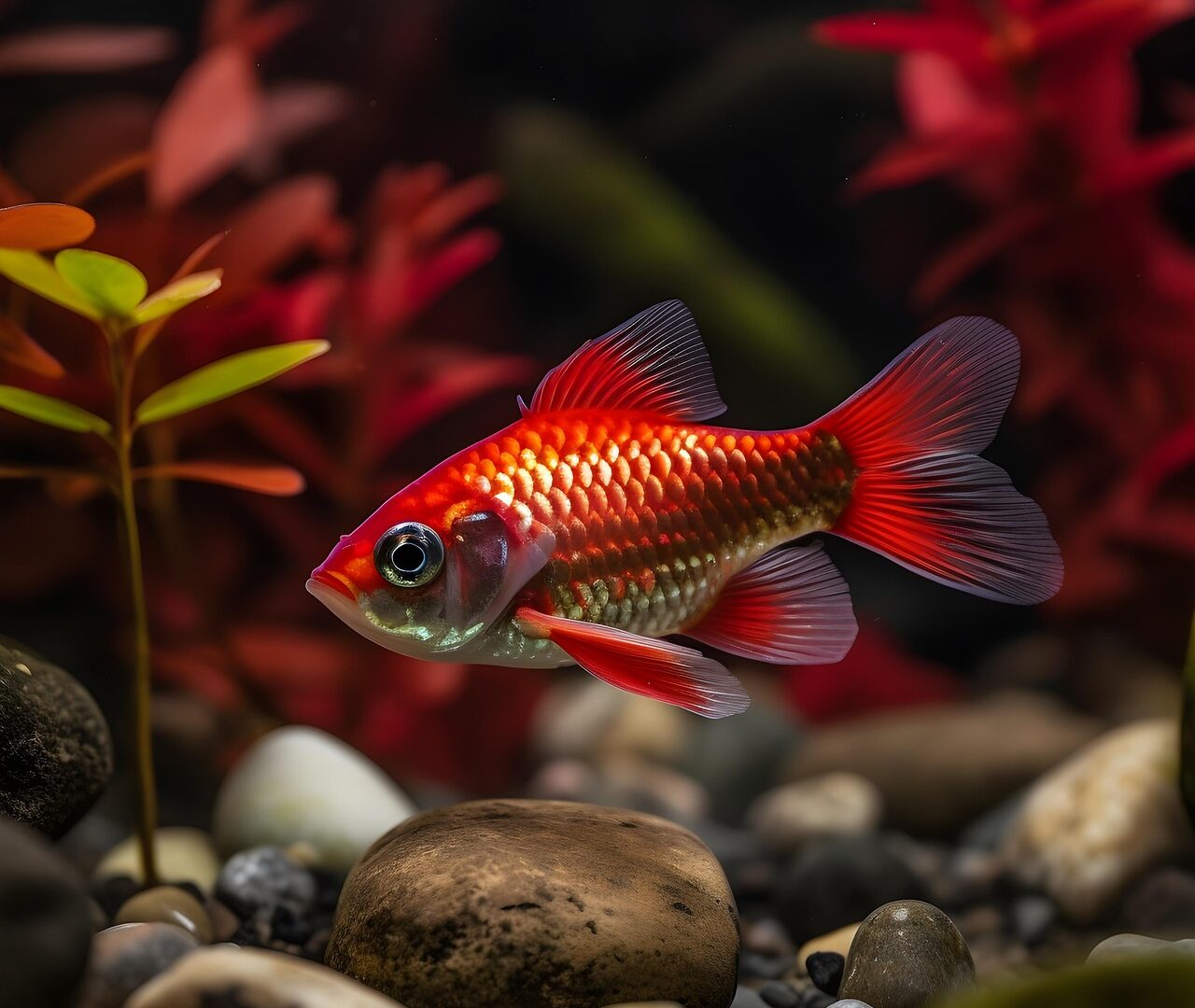
Small enough for a desktop nano tank yet packed with shimmering colour, Pseudomugil gertrudae is a gem that deserves far more attention. This blue eye gertrudae rainbowfish care guide from Gensou Aquascaping at 5 Everton Park, Singapore covers everything you need to keep these spotted beauties thriving in tropical conditions.
Species Overview
Pseudomugil gertrudae, commonly known as the spotted blue-eye, originates from shallow swamps and slow streams across northern Australia and Papua New Guinea. Males reach about 3.5 cm and display iridescent blue eyes with intricate yellow-and-black spotted fins. Females are plainer, with transparent fins and a subtler blue eye ring. Despite their delicate appearance, they are reasonably hardy once established in stable water.
Tank Size and Setup
A 30-litre tank is the minimum for a group of six to eight. Densely plant at least half the tank with fine-leaved species like Rotala rotundifolia, java moss or Riccia fluitans. Floating plants are beneficial, as these fish inhabit the upper water column and appreciate dappled light. Filtration should be gentle; a small sponge filter or a nano hang-on-back turned to its lowest setting works well.
Avoid strong current. In the wild these fish live in near-stagnant water among submerged roots and leaf litter.
Water Parameters
Target pH 6.0 to 7.5, GH 4-10 and temperature 24 to 28 degrees C. Singapore’s tap water is soft enough straight from the tap once dechlorinated, though some hobbyists add a small amount of crushed coral to raise GH slightly for fin health. Stable parameters matter more than hitting a precise number. Weekly 20-percent water changes keep nitrates below 20 ppm, which is important for long-term colour vibrancy.
Diet and Feeding
Blue-eyes have small mouths, so particle size is critical. Crush flake food finely or use micro pellets under 0.5 mm. Supplement two to three times weekly with frozen cyclops, baby brine shrimp or daphnia. Live foods trigger the most intense male colouration and display behaviour. Feed twice daily in small portions; uneaten food fouls nano tanks quickly.
Behaviour and Tankmates
Males spar regularly with elaborate fin-flaring displays, particularly at dawn. This is normal and rarely results in injury provided the tank has enough plants for line-of-sight breaks. Suitable tankmates include Boraras rasboras, small corydoras like C. habrosus and cherry shrimp. Avoid anything large or boisterous; even a school of tiger barbs would be too much.
Breeding in the Home Aquarium
Spawning is straightforward. Males display to females among fine-leaved plants or spawning mops, depositing a few adhesive eggs daily. Eggs hatch in 10 to 14 days at 26 degrees C. The adults do eat eggs, so a dedicated breeding tank or dense plant cover improves fry survival. First food should be infusoria or vinegar eels, transitioning to baby brine shrimp after one week. Fry grow slowly; expect 1 cm at around six weeks.
Common Health Issues
Fin rot is the most frequent problem, usually triggered by poor water quality or temperature swings. Treat early with clean water and a broad-spectrum antibacterial if needed. Velvet disease (Piscinoodinium) can occur in warm, stagnant tanks; increasing surface agitation and raising temperature to 30 degrees C for a few days often resolves mild cases. Quarantine all new additions for at least two weeks.
Where to Find Them in Singapore
Spotted blue-eyes are not a staple at every local fish shop, but specialist stores around Serangoon North Avenue 1 stock them periodically. Prices typically range from $3 to $6 each. Hobbyist breeders on Carousell sometimes offer locally bred stock, which tends to be hardier and better adapted to Singapore’s water conditions than imported fish. Buy in groups of at least six to see their best behaviour.
Related Reading
- Blue-Eye Rainbowfish Guide: Pseudomugil Species for Nano Tanks
- Forktail Blue Eye Rainbowfish Care Guide: Pseudomugil Furcatus
- Forktail Blue-Eye Rainbowfish Care Guide: Pseudomugil Furcatus
- Spotted Blue Eye Rainbowfish Care Guide: Pseudomugil gertrudae
- Blue Acara Cichlid Care Guide: The Overlooked Gem



