
Taiwan Bee Shrimp Care Guide: King Kong, Panda and Red Wine
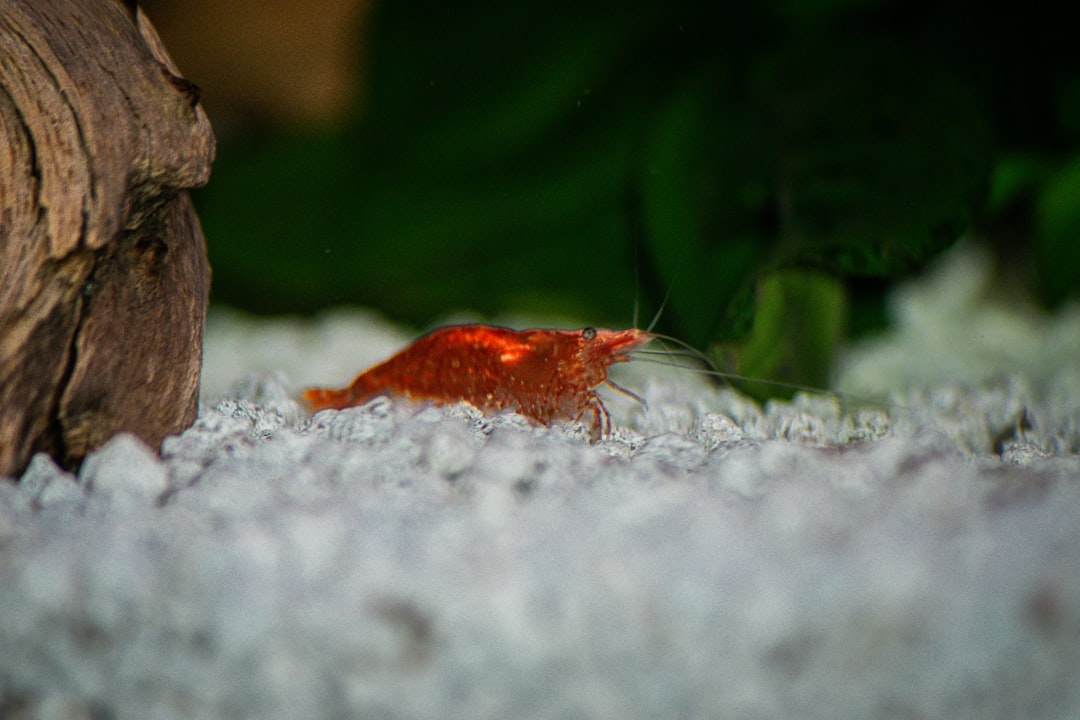
Taiwan Bee shrimp represent the pinnacle of freshwater shrimp keeping, with striking colour morphs like King Kong, Panda and Red Wine commanding premium prices. This Taiwan Bee shrimp care guide from Gensou Aquascaping at 5 Everton Park, Singapore will help you maintain the precise conditions these Caridina varieties need to thrive and breed in a tropical setting.
Understanding Taiwan Bee Varieties
All Taiwan Bee shrimp descend from selective breeding of Caridina cantonensis. King Kong shrimp display deep black colouration covering most of the body. Panda shrimp show alternating black-and-white bands. Red Wine shrimp replace the black with a rich burgundy red. Each morph breeds true when kept in isolation, but crossing varieties produces mixed offspring with unpredictable patterns.
Water Parameters Are Non-Negotiable
Precision is everything. Target pH 5.4 to 6.2, GH 4-6, KH 0-1 and TDS 100 to 150 ppm. Temperature should sit between 22 and 25 degrees C, which is below Singapore’s typical ambient range. A chiller or fan setup is usually necessary; expect to run a clip-on fan at minimum, and consider a small inline chiller for serious colonies. Consistency matters more than exact numbers. A stable 24 degrees C is better than fluctuating between 22 and 26.
Use reverse osmosis water remineralised with a dedicated shrimp mineral product like SaltyShrimp GH+. Singapore’s tap water is too variable in TDS and contains chloramine that even small residual amounts can kill sensitive Caridina.
Substrate and Tank Setup
Active buffering substrate is essential. Products like ADA Amazonia, SL-Aqua or Brightwell Aquatics soil lower and stabilise pH while providing a hospitable surface for biofilm. Use a substrate depth of 3 to 5 cm. Tank size can be as small as 20 litres, though 40 to 60 litres provides more stable water chemistry. Include mosses, especially java moss and Fissidens fontanus, which serve as grazing surfaces and fry shelter.
Cycling and Maturation
Never add Taiwan Bee shrimp to a freshly set-up tank. Cycle the tank for a minimum of six weeks, ideally eight. Active substrate leaches ammonia during the first few weeks, which must be fully processed by beneficial bacteria before shrimp introduction. Monitor ammonia, nitrite and nitrate throughout. Only add shrimp when ammonia and nitrite read zero for at least two consecutive weeks.
Feeding for Colour and Health
Feed sparingly. Overfeeding is the most common cause of water quality crashes in shrimp tanks. Offer a small portion of specialised shrimp food two to three times per week: brands like Bacter AE, Shrimp King or SL-Aqua are popular locally. Supplement with blanched mulberry leaves, spinach or dried Indian almond leaves. Biofilm growth on surfaces and plants provides the bulk of their daily nutrition between feedings.
Breeding and Colony Growth
Females carry 15 to 30 eggs for roughly 28 to 30 days before releasing miniature shrimplets. Berried females should not be disturbed. Shrimplets are tiny, around 2 mm, and feed on biofilm immediately. In a well-matured tank with good biofilm coverage, survival rates exceed 80 percent. Remove any fish tankmates, even small ones like Boraras, as they will prey on newborn shrimplets.
Common Problems and Solutions
Sudden deaths in batches usually indicate a water parameter shift, check TDS and pH immediately. White ring of death, a white band across the shrimp’s back, signals moulting failure often caused by insufficient GH or mineral imbalance. Bacterial infections appear as milky discolouration and spread fast; isolate affected individuals and treat the tank with Indian almond leaf extract. Prevention through stable, clean water is always preferable to treatment.
Cost and Sourcing in Singapore
Taiwan Bee shrimp range from $5 for lower-grade Pandas to $30 or more for high-grade King Kong specimens. Specialist shrimp sellers on Carousell and Shopee are the most reliable sources locally. Some hobbyist breeders offer colony packs of 10 to 20 shrimp at a discount. Always drip-acclimatise new arrivals over at least two hours, matching TDS within 10 ppm of your tank before release.
Related Reading



