
Freshwater Aquarium Shrimp Species Guide: Every Type Compared
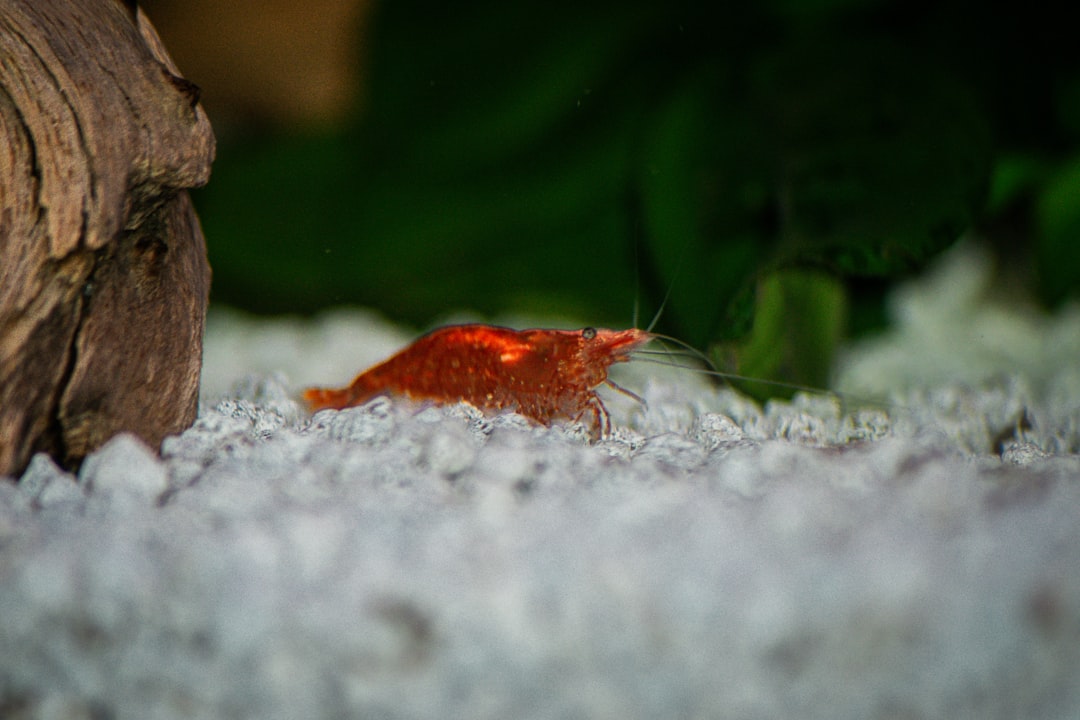
Choosing the right shrimp can transform a planted tank from attractive to captivating. This freshwater aquarium shrimp species guide from Gensou Aquascaping Singapore — drawing on over 20 years of hands-on experience at 5 Everton Park — compares every commonly kept type so you can match species to your water, tank size, and ambitions. Whether you are after a cleanup crew or a dedicated breeding colony, understanding each species’ needs is the first step.
Neocaridina davidi: The Beginner’s Standard
Neocaridina davidi is the entry point for most shrimp keepers, and for good reason. Hardy, prolific, and available in dozens of colour morphs — cherry red, blue dream, orange sakura, jade green — they tolerate a wide pH range of 6.5–8.0 and thrive in Singapore’s PUB tap water with minimal adjustment. A colony of ten in a 20-litre tank breeds readily at room temperature.
Prices in Singapore start from around $1–$2 per shrimp for common grades, climbing to $5–$10 for high-grade painted or rili variants on Shopee and Carousell. Their forgiving nature makes them ideal for hobbyists still learning to keep parameters stable.
Caridina cantonensis: Crystal and Bee Shrimp
Step up in difficulty and you meet Caridina cantonensis — the crystal red, crystal black, and various bee shrimp grades. These demand soft, acidic water (pH 5.8–6.8, GH 4–6, TDS 100–150) and benefit from active buffering substrates like ADA Amazonia or SL-Aqua. Temperature stability matters more than a specific number, though 22–25 °C is the sweet spot.
Grading systems (SSS, SS, S, A, B, C) drive pricing dramatically. An SSS-grade crystal red can fetch $20–$50 in Singapore, while lower grades go for $3–$8. Dedicated Caridina keepers often run separate RO water systems to dial in parameters precisely.
Amano Shrimp: The Algae-Eating Workhorse
Caridina multidentata, commonly called the Amano shrimp, earned its fame through Takashi Amano’s planted aquariums. At 4–5 cm fully grown, they are the largest commonly kept freshwater shrimp and arguably the most effective algae eaters available. A team of five can visibly reduce hair algae in a 60-litre tank within a week.
Breeding Amano shrimp at home is notoriously difficult — larvae require brackish water to survive. Nearly all Amano shrimp sold in Singapore are wild-caught imports, typically priced at $2–$4 each from shops around Serangoon North or C328 Clementi.
Sulawesi Shrimp: Exotic and Demanding
The ancient lakes of Sulawesi, Indonesia, harbour some of the hobby’s most striking shrimp. Caridina dennerli (cardinal shrimp) sports a deep crimson body with white spots, while Caridina spongicola lives exclusively on freshwater sponges. These species need warm water — 27–30 °C — high pH around 7.8–8.2, and exceptional stability. Singapore’s ambient heat actually helps here, reducing the need for heaters.
Sulawesi shrimp remain a niche pursuit. Expect to pay $8–$15 per shrimp, and be prepared for slow breeding rates and higher sensitivity to parameter swings compared to Neocaridina.
Filter-Feeding Shrimp: Bamboo and Vampire
Not all shrimp graze surfaces. Atyopsis moluccensis (bamboo shrimp) and Atya gabonensis (vampire shrimp) are filter feeders that station themselves in current, fanning specialised appendages to catch suspended particles. Bamboo shrimp reach 6–8 cm; vampire shrimp can exceed 12 cm, making them impressive centrepieces.
Both need moderate to strong flow and a diet supplemented with powdered foods like Bacter AE or spirulina dust. They are peaceful giants — perfectly safe with small fish and dwarf shrimp alike. In Singapore, bamboo shrimp are easier to find, typically $5–$8 each.
Whisker and Ghost Shrimp: Affordable but Risky
Indian whisker shrimp (Macrobrachium lamarrei) and ghost shrimp (Palaemonetes paludosus) are among the cheapest options, often sold as feeder shrimp for under $1 each. Their low price comes with a caveat: Macrobrachium species in particular can be semi-aggressive, catching small fish and picking off dwarf shrimp at night.
Ghost shrimp work well in species-only setups or as community tank cleaners alongside robust mid-sized fish. Just avoid housing them with Neocaridina or Caridina colonies — predation is a real risk.
Choosing the Right Species for Your Setup
Your water parameters narrow the field quickly. Singapore’s soft, slightly acidic tap water suits Neocaridina and most Caridina out of the box. Sulawesi species need remineralised water pushed toward alkaline. Tank size matters too — filter feeders need at least 60 litres with decent flow, while a nano shrimp colony flourishes in 20 litres.
Consider your goals. Breeding for profit favours high-grade Caridina or rare Neocaridina morphs. Algae control calls for Amano shrimp. A visually stunning shrimp-only aquascape might showcase a single colour line of cherry shrimp against lush green moss. Whatever you choose, this freshwater aquarium shrimp species guide should help you start with confidence.
Related Reading
- Caridina vs Neocaridina Shrimp: Water, Care and Breeding Differences
- Best Shrimp for a Planted Aquarium: Algae Eaters and Cleaners
- How to Breed Neocaridina Shrimp for Colour: Line Breeding Guide
- Sulawesi Cardinal Shrimp Care Guide: Pristine Water and High Heat
- Vampire Shrimp vs Bamboo Shrimp: Filter Feeders Compared



