
Torch Coral Care Guide: Euphyllia Glabrescens Placement and Flow
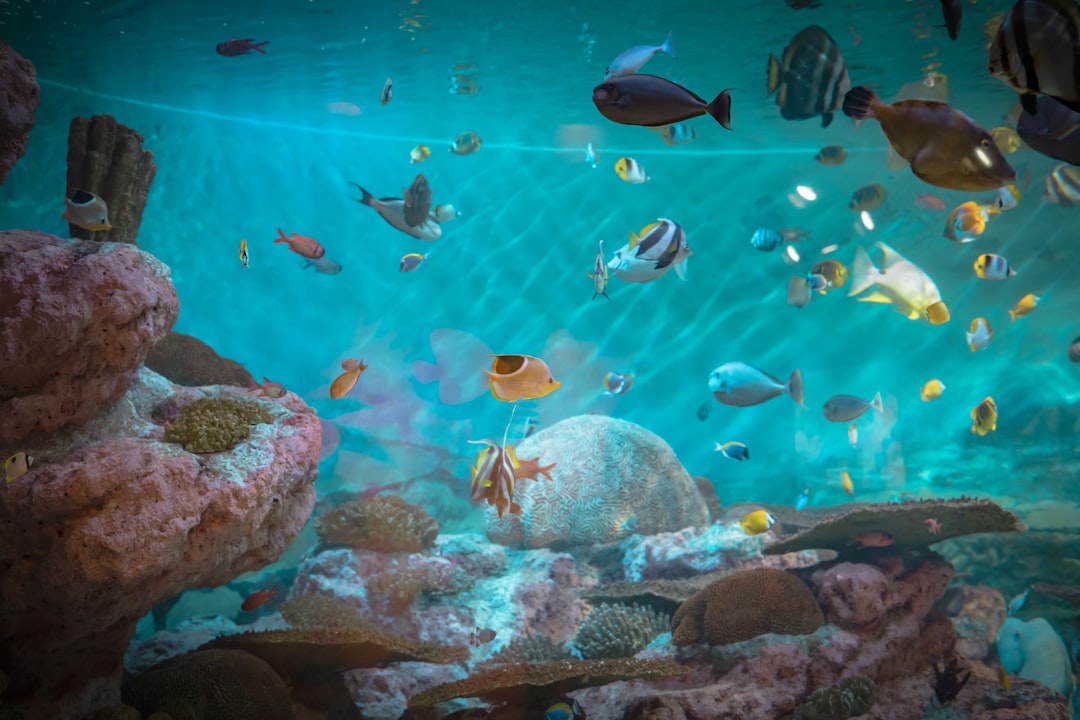
With their flowing tentacles tipped in neon green, gold or purple, torch corals rank among the most visually striking inhabitants of any reef aquarium. Euphyllia glabrescens has surged in popularity across Singapore’s reef-keeping community, with rare colour morphs fetching hundreds of dollars per head. This torch coral care guide from Gensou Aquascaping at 5 Everton Park, Singapore shares the practical knowledge you need to keep these iconic LPS corals healthy and expanding.
Understanding Torch Coral Varieties
Euphyllia glabrescens produces long, flowing tentacles, each ending in a distinctive bulbous or rounded tip. Standard green-tipped specimens remain affordable at $20-$50 SGD per head, while designer morphs — gold torch, holy grail, dragon soul — can command $200-$800 SGD or more. Indonesian and Australian varieties differ in tentacle thickness and colour intensity, with Australian torches generally displaying thicker, more vibrant tentacles.
Water Parameters
Torch corals thrive at a salinity of 1.025, alkalinity between 7.5-8.5 dKH, calcium at 400-440 ppm and magnesium at 1300-1400 ppm. Temperature should be maintained between 25-27 degrees Celsius — a narrow range that demands reliable cooling in Singapore’s climate. Unlike SPS corals, torches tolerate moderately elevated nutrients, handling nitrates up to 15 ppm and phosphates up to 0.08 ppm without visible stress.
Alkalinity stability matters more than the exact number. Swings greater than 1.0 dKH within 24 hours commonly trigger tissue recession in Euphyllia species. Dose consistently and test frequently.
Lighting: Keep It Moderate
Torch corals prefer moderate lighting. PAR values of 100-200 suit most specimens, placing them in the lower to middle zones of your reef tank. Excessive light causes tentacles to retract and can bleach tissue over time. A gentle blue-heavy spectrum enhances fluorescence and makes those glowing tips pop without overwhelming the coral. If your torches appear shrunken or pale, try moving them lower before adjusting water chemistry.
Flow and Placement
Getting flow right is critical for torch coral health. Gentle to moderate, indirect flow allows tentacles to sway naturally without being battered against the skeleton. Direct powerhead blasts cause tentacle retraction and tissue damage. Position your torch where it receives ambient tank circulation — behind a rock shelf or off to the side of a wavemaker’s primary path works well.
Spacing is equally important. Torch corals extend aggressive sweeper tentacles at night, reaching 15-20 cm beyond their daytime footprint. Leave generous clearance from other coral species, particularly SPS colonies, which lack the defensive capability to withstand Euphyllia stings. Torches can be placed near other Euphyllia species, though mixing different torch colour morphs too closely risks one dominant head stinging its neighbour.
Feeding for Growth and Colour
Target feeding accelerates torch coral growth noticeably. Offer meaty foods — mysis shrimp, enriched brine shrimp or finely chopped raw prawn — two to three times per week. Each head has a central mouth capable of consuming surprisingly large food items. Turn off flow briefly during feeding to prevent food from being swept away before the tentacles can capture it.
Amino acid supplements and coral-specific foods like Reef-Roids also benefit torch corals when broadcast into the water column.
Common Health Issues
Brown jelly disease is the most feared torch coral ailment. It presents as a brown, gelatinous mass spreading across the tissue, often killing an entire colony within days. Quarantine affected heads immediately, remove visible jelly with a turkey baster, and dip in iodine-based coral solutions. Bacterial infections following shipping stress or physical damage are the usual triggers.
Euphyllia parasites — tiny transparent worms that inhabit the skeleton — can slowly weaken colonies. Inspect new purchases carefully and consider a freshwater dip of 30-60 seconds to dislodge parasites before placement.
Propagation and Growing Your Collection
Torch corals with branching skeletons can be fragged by cutting between individual heads using a band saw or Dremel with a diamond blade. Wall-type torches, which share a single continuous skeleton, are far more difficult to divide safely. After cutting, seal exposed skeleton with reef putty or super glue to prevent boring organisms from entering. Most frags recover within two to four weeks, showing new tissue encrusting over cut surfaces.
Building a Torch Coral Display
A dedicated Euphyllia garden — grouping torches, hammers and frogspawn together on a lower rock shelf — creates one of the most dramatic displays possible in a reef tank. The flowing movement, combined with fluorescent colours under blue lighting, provides a living centrepiece that draws attention from across the room. Keep parameters stable, feed regularly, and your torch coral collection will reward you with steady growth and new heads over the years.
Related Reading
- Torch Coral Care Guide: Euphyllia Flow, Feeding and Placement
- Acropora Coral Care Guide: SPS Basics for Singapore Reefers
- Brain Coral Care Guide: Lobophyllia and Symphyllia in Reef Tanks
- Bubble Coral Care Guide: Plerogyra Sinuosa Feeding and Placement
- Coral Beauty Angelfish Care Guide: Dwarf Angel for Reef Tanks



