
Orchid Dottyback Care Guide: Pseudochromis Fridmani in Reef Tanks
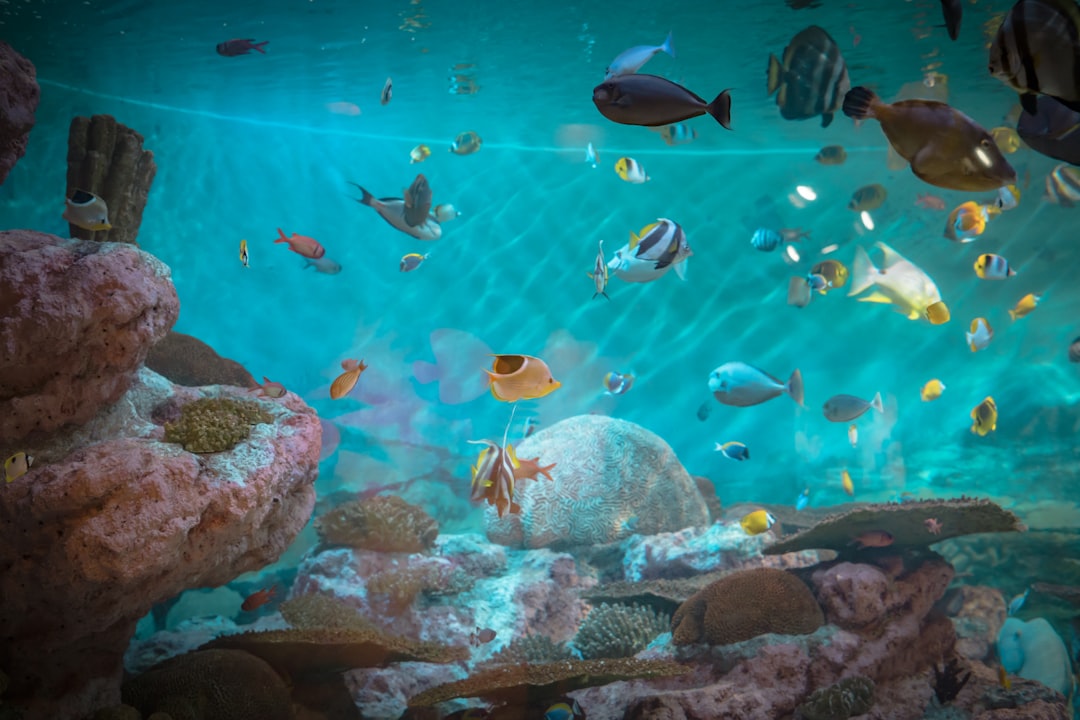
With its vivid magenta-purple colouration and bold personality, Pseudochromis fridmani ranks among the most sought-after small reef fish in the hobby. Originally endemic to the Red Sea, captive-bred orchid dottybacks are now widely available and far less aggressive than their wild-caught counterparts. This orchid dottyback care guide from Gensou Aquascaping at 5 Everton Park, Singapore covers the essentials for keeping this striking fish in a tropical reef setup.
Origin and Taxonomy
The orchid dottyback belongs to the family Pseudochromidae and was first described from the reefs around Jeddah, Saudi Arabia. In the wild, it inhabits steep reef walls and overhangs at depths of 1-60 metres, often hovering upside-down beneath ledges. Captive-bred specimens from facilities like ORA have been available since the early 2000s. These tank-raised fish accept prepared foods readily and display considerably less territorial behaviour than wild imports.
Tank Requirements
A single orchid dottyback suits tanks from 60 litres upward, provided there is adequate rockwork with caves and overhangs. Create multiple hiding spots to allow the fish to establish a home territory without monopolising the entire tank. In systems below 100 litres, avoid housing it with other small, timid species that could be bullied. Larger tanks of 200 litres or more open up compatibility significantly, letting you keep it alongside a wider community.
Water Parameters
Maintain salinity at 1.025 SG, temperature between 24 and 28 degrees C, pH at 8.1-8.4 and alkalinity at 8-12 dKH. Singapore’s warm climate means summer temperatures can push tank water above 30 degrees C without active cooling. A small chiller or fan system is advisable to keep conditions stable. Orchid dottybacks tolerate minor parameter fluctuations but respond poorly to rapid swings, so top-off evaporation losses promptly with RODI water prepared from PUB tap supply.
Feeding and Nutrition
Orchid dottybacks are carnivorous and eagerly consume frozen mysis shrimp, enriched brine shrimp, finely chopped seafood and high-quality marine pellets. Feed twice daily in small portions. Captive-bred specimens rarely refuse prepared foods, which is one major advantage over wild-caught fish. Supplement with vitamin-soaked foods periodically to maintain colour intensity. Underfed dottybacks become noticeably more aggressive, so consistent feeding is both a health and a behavioural management strategy.
Temperament and Managing Aggression
Orchid dottybacks are feisty. They defend their chosen cave against intruders and may harass slow-moving or passive tank mates that venture too close. However, compared to their cousin the royal dottyback (Pseudochromis paccagnellae), fridmani is the milder option. Suitable companions include clownfish, tangs, wrasses, blennies and most gobies. Avoid housing with other dottyback species or fairy wrasses in small volumes. Introduce the dottyback last to reduce territorial establishment before other fish settle in.
Reef Compatibility
This species is fully reef-safe. It ignores corals, clams and decorative invertebrates entirely. One practical benefit is its appetite for bristleworms and small flatworms, making it a useful biological pest controller. Ornamental shrimp are generally safe with orchid dottybacks, though very small sexy shrimp (Thor amboinensis) may occasionally be targeted. Cleaner shrimp, peppermint shrimp and fire shrimp coexist without issues.
Captive Breeding
Orchid dottybacks are protogynous hermaphrodites, meaning all juveniles start female, with the dominant individual transitioning to male. A bonded pair will spawn regularly in a cave, with the male guarding the egg mass for five to seven days. Larvae are relatively large at hatching and can be raised on rotifers enriched with microalgae. Breeding pairs are available from specialist marine breeders, and successfully raising a clutch is a rewarding milestone for any serious reefer.
Purchasing Tips for Singapore Buyers
Captive-bred orchid dottybacks typically cost $25-$40 SGD at local marine fish shops and online sellers on Shopee or Carousell. Always ask whether the specimen is captive-bred or wild-caught, as the behavioural difference is significant. Look for bright, uniform purple colouration without pale patches, clear eyes and an alert posture. Quarantine for 14 days in a bare-bottom tank with PVC fittings for shelter before adding to your display reef.
Related Reading



