
Melanurus Wrasse Care Guide: Halichoeres Melanurus Pest Controller
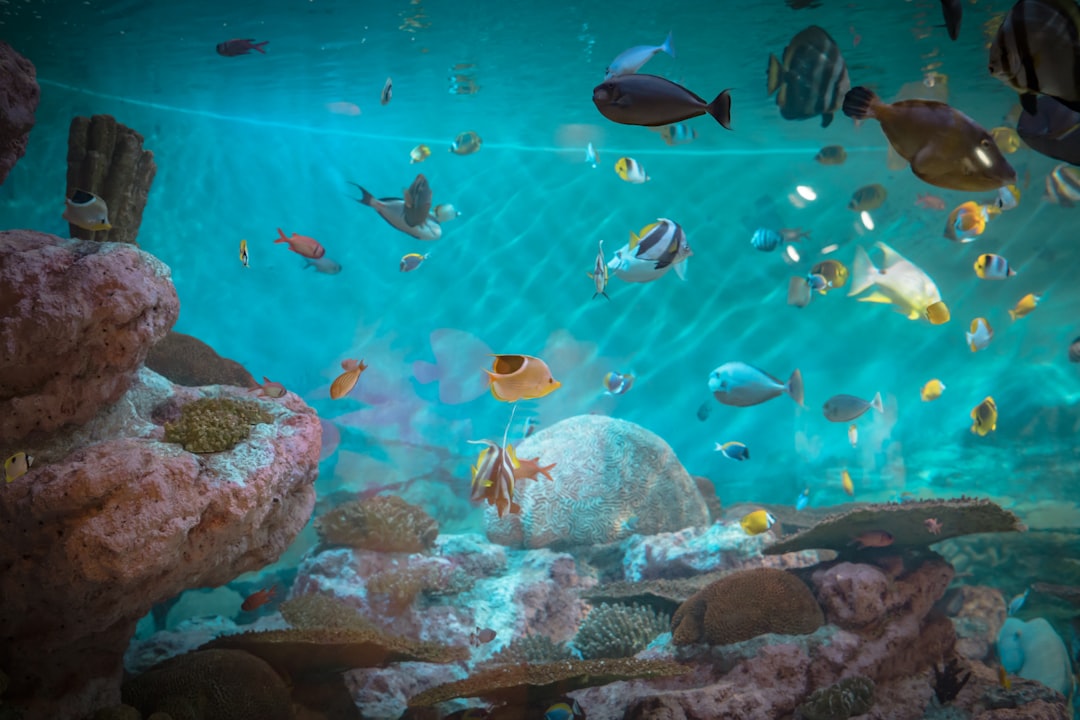
Pest flatworms, pyramidellid snails and bristleworms cause sleepless nights for reef keepers. The melanurus wrasse solves all three problems while adding a flash of electric blue and green to your tank. Halichoeres melanurus, commonly called the hoeven’s wrasse or tail-spot wrasse, is one of the most effective biological pest controllers available to the marine hobbyist. This melanurus wrasse care guide from Gensou Aquascaping at 5 Everton Park, Singapore covers keeping this industrious wrasse in top form.
Species Overview
The melanurus wrasse belongs to the family Labridae and reaches approximately 12 cm in captivity. Males display a vivid pattern of horizontal blue-green stripes on a reddish body, with a distinctive dark spot on the caudal peduncle. Females and juveniles show more subdued colouration with a lighter base. This species originates from the Western Pacific, including Indonesia, the Philippines and Papua New Guinea, meaning specimens arriving in Singapore have endured only short shipping routes.
Tank Size and Sand Bed
A minimum of 150 litres provides adequate swimming space for a single melanurus wrasse. Crucially, the tank must have a sand bed at least 5 cm deep. Wrasses in the Halichoeres genus sleep by burying themselves in the sand each night, and a shallow or coarse substrate prevents this essential behaviour. Use fine to medium oolitic aragonite sand. Without a proper sand bed, the wrasse will stress, lose colour and become susceptible to disease. A tight-fitting lid is equally important, as these active swimmers are notorious jumpers.
Water Parameters
Maintain salinity at 1.024-1.026 SG, temperature between 24 and 28 degrees C, pH of 8.1-8.4 and alkalinity at 7-11 dKH. Singapore’s ambient warmth sits comfortably within this range, though summer spikes above 30 degrees C warrant a fan or chiller. Melanurus wrasses are hardy and tolerate minor parameter fluctuations, making them suitable for intermediate reefers still refining their husbandry routines.
Diet and Pest Control Value
This wrasse earns its reputation as a pest controller by actively hunting flatworms, bristleworms, pyramidellid snails, small crabs and vermetid snails. A single melanurus wrasse can eliminate a flatworm infestation within days. Supplement this natural predation with frozen mysis shrimp, enriched brine shrimp, chopped seafood and quality marine pellets. Feed twice daily to maintain energy for the wrasse’s constant activity. Well-fed individuals are less likely to target beneficial microfauna, so do not restrict food in hopes of encouraging more pest hunting.
Reef Compatibility
Melanurus wrasses are reef-safe with one notable exception: small ornamental crustaceans. While cleaner shrimp and coral-banded shrimp are generally safe due to their size, sexy shrimp, small hermit crabs and porcelain crabs may become prey. Corals of all types, including SPS, LPS and soft corals, are left completely alone. Clam keepers should note that this wrasse will eat pyramidellid snails parasitising tridacnid clams, making it a valuable addition to any clam-focused reef system.
Temperament and Tank Mates
Melanurus wrasses are active and moderately assertive without being outright aggressive. They coexist well with clownfish, tangs, blennies, gobies and angels. Avoid housing with other Halichoeres wrasses unless the tank exceeds 400 litres, as territorial disputes between congeners can be intense. Fairy wrasses from the genus Cirrhilabrus make excellent companions as they occupy different niches. Keep only one melanurus wrasse per tank to prevent conflict.
Acclimation and Quarantine
New melanurus wrasses often appear pale and stressed upon arrival. Drip-acclimate over 45 minutes and ensure the quarantine tank has a sand bed for sleeping. Bare-bottom quarantine setups stress this species severely, so add a plastic tray filled with sand as a temporary sleep zone if your QT lacks substrate. Prophylactic treatment with praziquantel for flukes is advisable, as wild-caught wrasses commonly carry gill and body flukes. Expect to pay $18-$30 SGD at local marine shops.
Long-Term Care Tips
A well-maintained melanurus wrasse can live five to seven years in captivity. Maintain consistent feeding, stable water parameters and a healthy sand bed. Replace sand gradually rather than in large batches to preserve beneficial bacteria. Watch for signs of thinning, which indicates insufficient feeding or internal parasites. Regular deworming with praziquantel every six months addresses gut parasites that can silently compromise the wrasse’s health over time.
Related Reading



