
Celestial Pearl Danio Breeding Guide: Spawning Galaxy Rasboras at Home
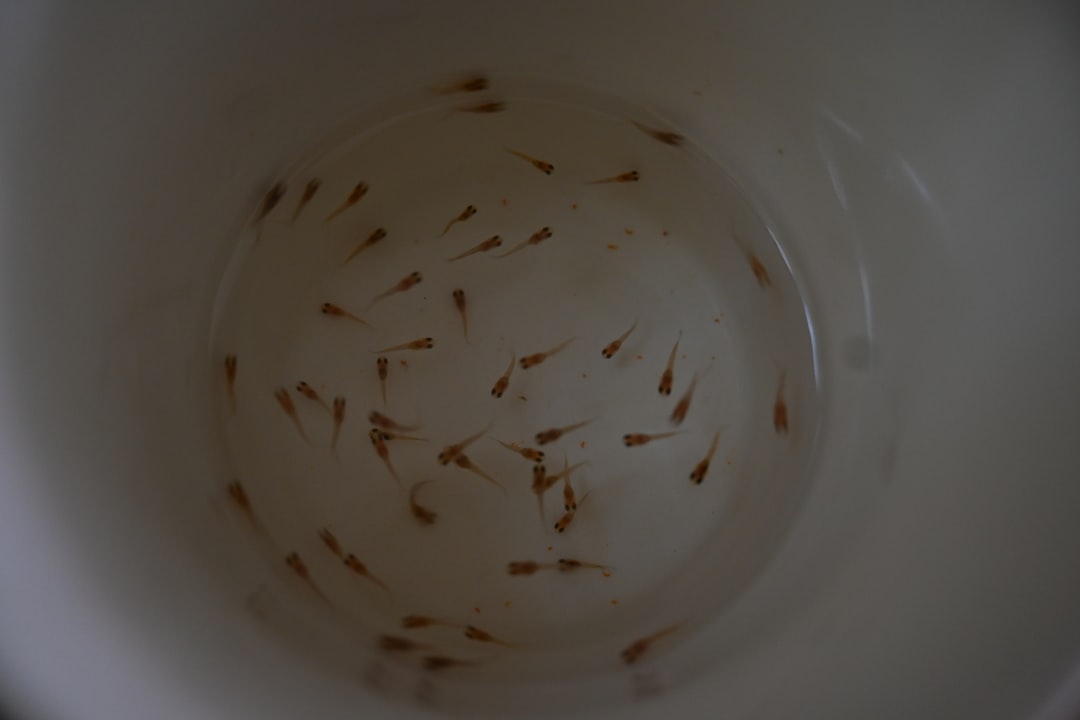
When Celestichthys margaritatus was first discovered in Myanmar in 2006, the aquarium world went into a frenzy. Demand nearly wiped out wild populations before captive breeding caught up. Today, homebred celestial pearl danios are widely available, and spawning them yourself is both achievable and deeply satisfying. This celestial pearl danio breeding guide from Gensou Aquascaping at 5 Everton Park, Singapore walks you through every stage, from conditioning adults to raising fry in Singapore’s warm climate.
Understanding the Species
Commonly called galaxy rasboras or CPDs, these tiny cyprinids reach just 2 to 2.5 cm as adults. Males display deep blue bodies covered in pearly white spots, with vivid red and black striped fins. Females are plumper, paler and less boldly patterned. In the wild, they inhabit shallow, heavily vegetated ponds at elevations around 1,000 metres, where water is cool and clear. Replicating these conditions is not strictly necessary for breeding, but understanding their natural habitat helps explain their preferences.
Setting Up a Breeding Tank
A dedicated 20 to 30-litre tank works best for a breeding group of two males and four females. Cover the bottom with a dense mat of java moss or a spawning mop made from acrylic yarn. CPDs scatter eggs among fine-leaved plants, and the moss provides both a spawning medium and protection for eggs from hungry adults. Filtration should be a gentle air-driven sponge filter. No substrate is needed, which makes spotting and collecting eggs easier.
Water Conditions for Breeding
Aim for a pH of 6.5 to 7.5, GH of 2 to 6 and a temperature between 22 and 25 degrees Celsius. Singapore’s ambient temperature of 28 to 32 degrees is higher than ideal, so a small clip-on fan or placing the tank in an air-conditioned room helps. Alternatively, some Singapore breeders succeed at 26 to 27 degrees without cooling, though spawning rates drop slightly. PUB tap water parameters are well suited to CPDs once dechlorinated. Perform 20 per cent water changes every three days with slightly cooler water to simulate the rain triggers that encourage spawning in the wild.
Conditioning the Adults
Two weeks of high-protein feeding transforms CPDs from reluctant to eager spawners. Offer live baby brine shrimp, frozen daphnia and micro worms daily. Males in breeding condition intensify their blue colouration and begin sparring with each other, flaring fins and circling rivals. Females swell visibly with eggs, developing a rounded belly that is easy to distinguish from their normal streamlined shape. Once females look plump and males are displaying constantly, move them into the breeding tank.
Spawning Behaviour
CPDs are not dramatic spawners. Males court females with quivering displays and short chases, leading them into the moss where eggs are released in small batches. A single female may deposit 6 to 12 eggs per day over several days, rather than releasing all eggs at once. The eggs are tiny, clear and adhesive, sticking to moss fronds where they are difficult to spot without close inspection. Remove the adults after three to five days to prevent egg predation, or simply leave the moss in place and move it to a separate hatching container.
Egg Development and Hatching
At 24 degrees Celsius, eggs hatch in approximately 72 to 96 hours. The fry are minuscule, barely 3 mm long, and spend the first two days absorbing their yolk sac while clinging to moss or glass surfaces. They are essentially invisible in a planted tank, so resist the urge to search aggressively. Keep the hatching container dimly lit and add a few drops of methylene blue to prevent fungal growth on unhatched eggs. Water movement should be almost non-existent during this stage.
Raising the Fry
First food is critical. CPD fry are too small for baby brine shrimp initially. Start with infusoria, paramecium cultures or commercially prepared liquid fry food like Sera Micron for the first seven to ten days. After that, newly hatched brine shrimp becomes the primary food. Feed three times daily in small amounts, siphoning uneaten food and waste carefully with airline tubing. Growth is slow; expect fry to reach 1 cm in about six weeks and full adult size in four to five months. A consistent temperature of 25 to 26 degrees produces the best growth rates.
Scaling Up Your Breeding Operation
Once you have a reliable spawning group, CPDs breed almost continuously. A single trio can produce 30 to 50 fry per month with attentive care. Juvenile CPDs are highly sought after on Carousell and in local hobbyist groups, typically selling for $3 to $5 each. Grow them out to at least 1.5 cm before selling, as smaller fry suffer high mortality during transport. With multiple breeding tanks running, a dedicated hobbyist in Singapore can build a self-sustaining colony that funds the rest of their fishkeeping habit.
Related Reading
- How to Breed Celestial Pearl Danios: Galaxy Rasbora Fry Guide
- Celestial Pearl Danio Care Guide: Galaxy Rasbora in Nano Tanks
- Celestial Pearl Danio vs Ember Tetra: Which Nano Fish to Choose
- How to Aquascape for Celestial Pearl Danios: Galaxy Rasbora Nano
- Amano Shrimp Breeding Challenges: Larval Stages and Saltwater Phase



